The world’s ocean faces many challenges - from destructive development to species loss to climate impacts, and more. Those challenges are very real, but they are only part of the story.
While much of the media focuses on crisis, less attention is given to the ongoing efforts to protect ocean ecosystems: initiatives that are already driving change but rarely make headlines.
Canada has the longest coastline of any country in the world. Along these vast and varied shores, serious environmental challenges are unfolding – but so too is important action, driven by communities, industries and researchers, working at local and regional scales.
One such researcher is Anthony (Tony) Charles (FRSC), Professor in the School of the Environment and the Sobey School of Business at Saint Mary’s University, and Director of the Community Conservation Research Network. Charles has dedicated much of his career to reshaping how we understand resource management, particularly in relation to oceans.
Working closely with coastal communities, he highlights conservation already taking place along Canada’s coastline and argues for a bottom-up approach in which policymakers better recognize the knowledge and experience of those who live and work by the sea.
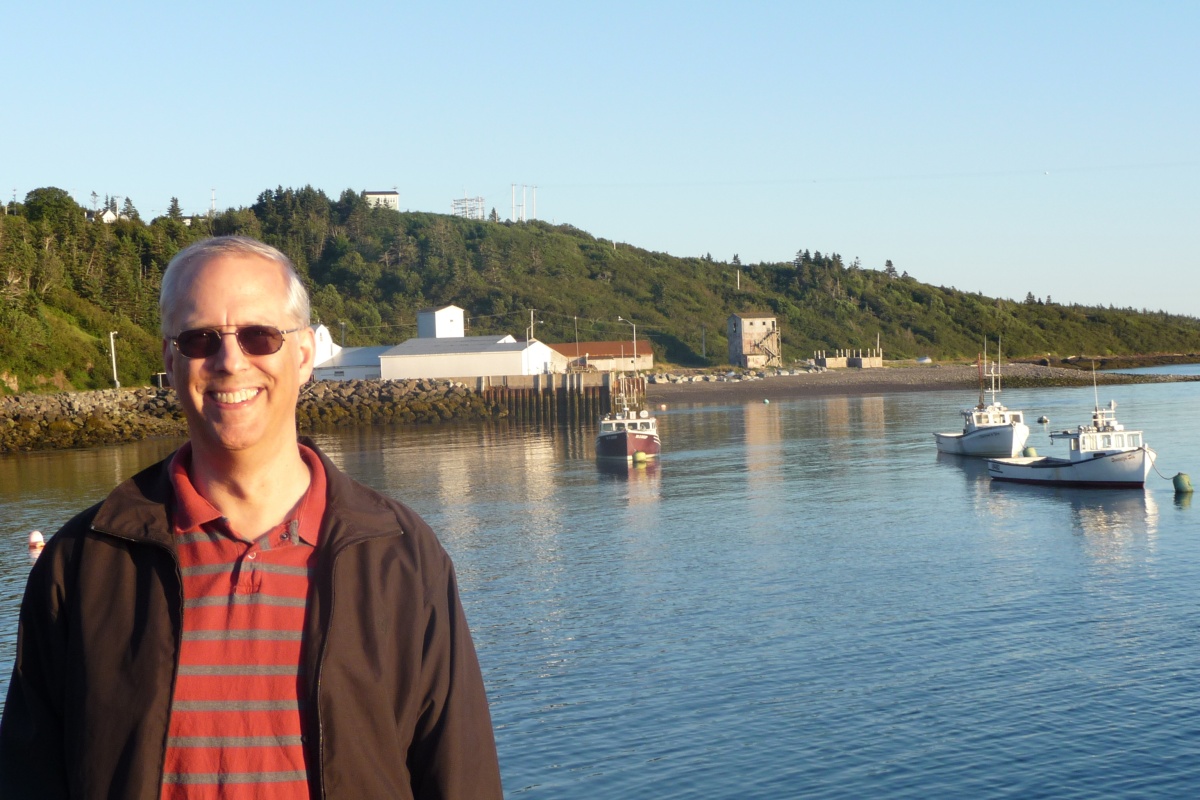
A dual lens on ocean science
Growing up in Vancouver, Charles was never far from the ocean, but in high school, his concerns were more broadly environmental – issues such as pollution, species loss, and unsustainable consumption. It was not until graduate school that he focused his work on oceans and fisheries – a direction that, as he puts it, “stuck with me forever.”
Initially focused on fish populations, his interests gradually expanded to include the economic and social dimensions of marine systems. This shift brought him into close collaboration with coastal communities, including Indigenous groups and fishing communities – an experience he describes as “amazing.”
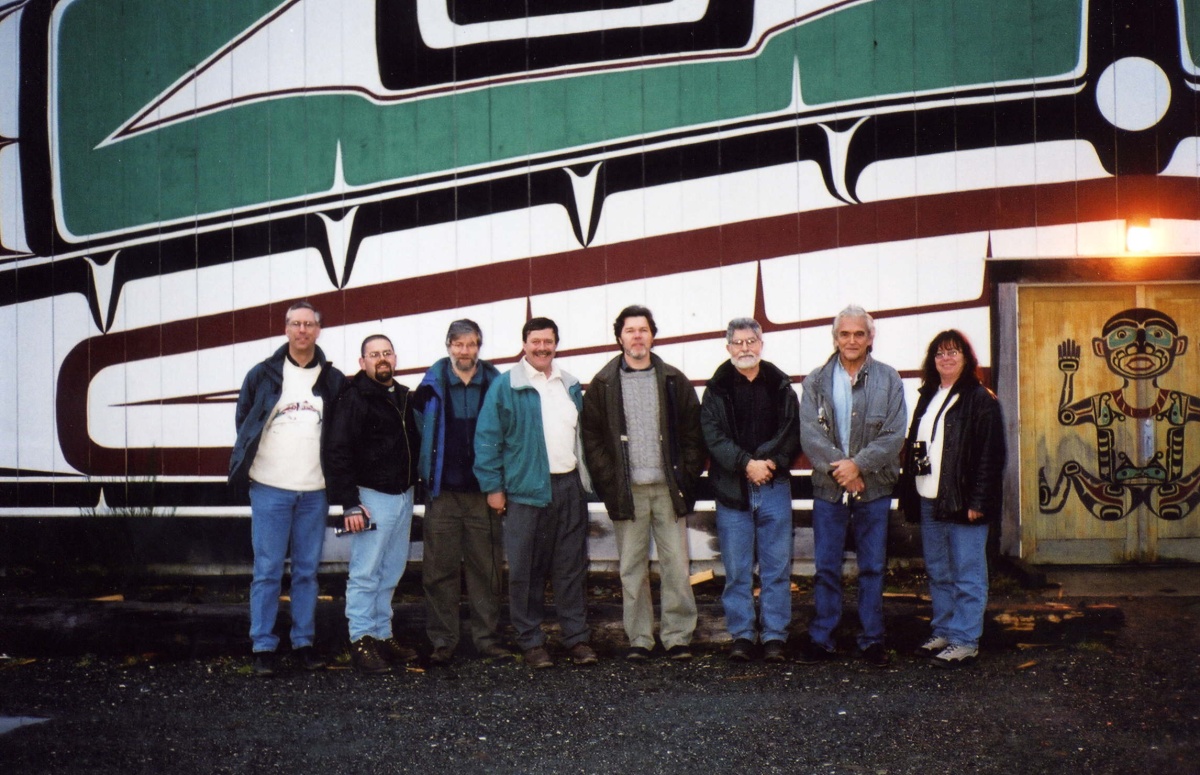
“We need to bring it all together,” he says. “The natural world and the human world are interconnected, as those on the coast know very well.”
Now working across Environmental Science and the Sobey School of Business, Charles studies how natural resources such as fisheries intersect with economic and social systems. For him, sustainability is both a scientific challenge and a human one.
Community-led conservation
Through this work, Charles began to notice something often missing from broader discussions about ocean sustainability: in many places, coastal communities were already implementing practical solutions to environmental challenges.
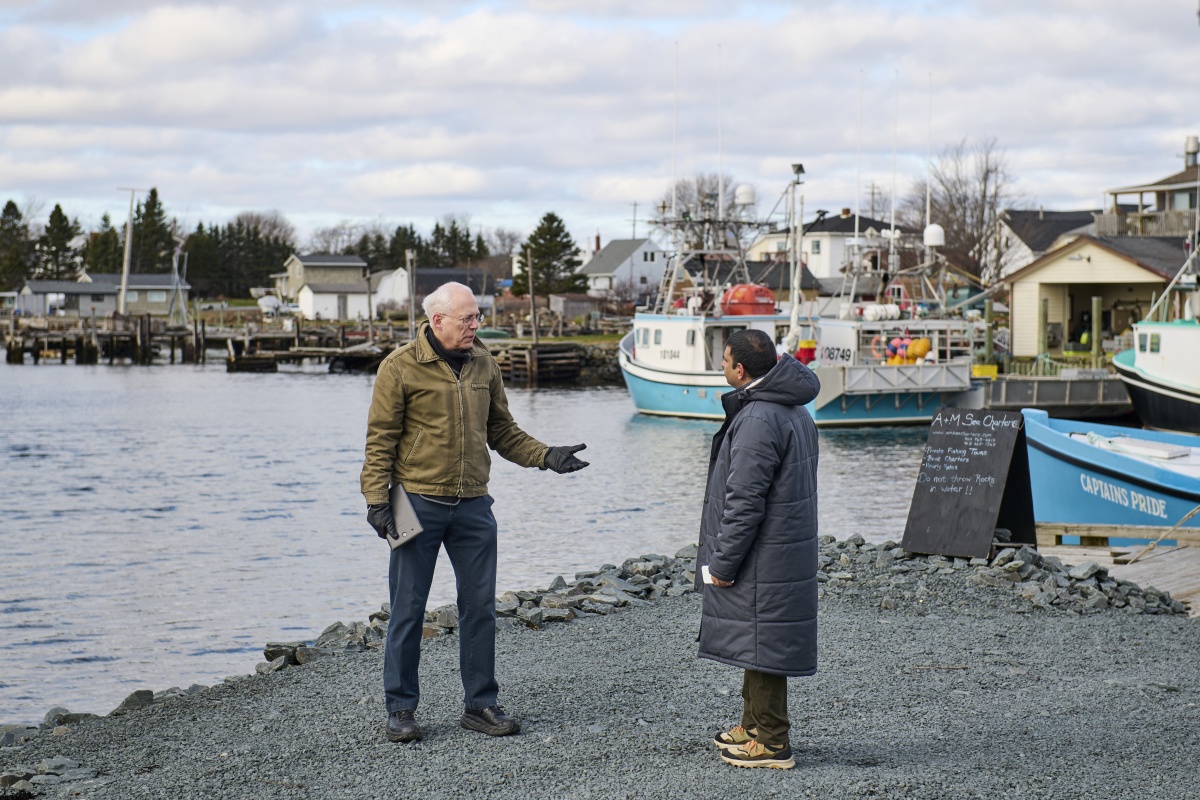
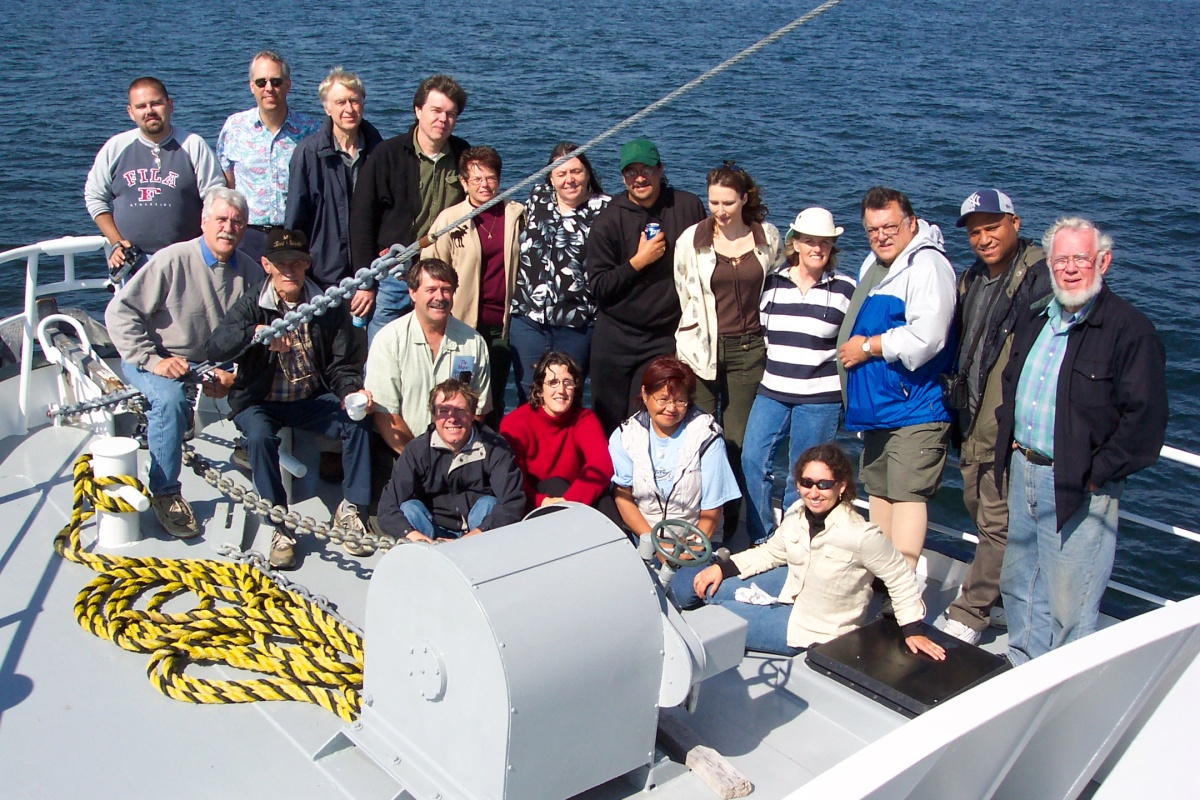
Photo taken by Wiebke Schroeder
Across Canada and beyond, he observed the people of coastal towns coming together to rebuild fisheries, Indigenous communities establishing and managing protected areas, and fishing communities acting as everyday stewards of marine ecosystems.
Charles points to the collapse of the Atlantic cod fishery in the early 1990s as a turning point. After decades of intensive industrial fishing, Northern cod stocks off Newfoundland and Labrador collapsed, leading to one of the largest fishery closures in history in 1992, affecting tens of thousands of jobs across Atlantic Canada.
In places such as Eastport, Newfoundland, communities built on their relationship with the ocean to forge not simply recovery, but adaptation and innovation – fishers and community members partnering with researchers, governments, and local institutions to develop conservation strategies, support ecosystem rebuilding, and diversify livelihoods.
While Atlantic cod has not broadly returned to historic levels, these community-led efforts helped shape new approaches to managing other fisheries, and led to coastal stewardship aimed at preventing similar collapses.
“When I’ve been able to watch communities in action, it’s really inspiring,” he says.
Scaling up: from local action to broader impact
Much of Charles’ work now focuses on connecting community-led conservation to the policies and institutions that shape global sustainability.
“My work has been to show that what is happening in local communities is systematically important to the world overall,” he explains. “If I were to give one piece of advice to policymakers, it’s to encourage all of these small actions – so that what you end up with is large action.”
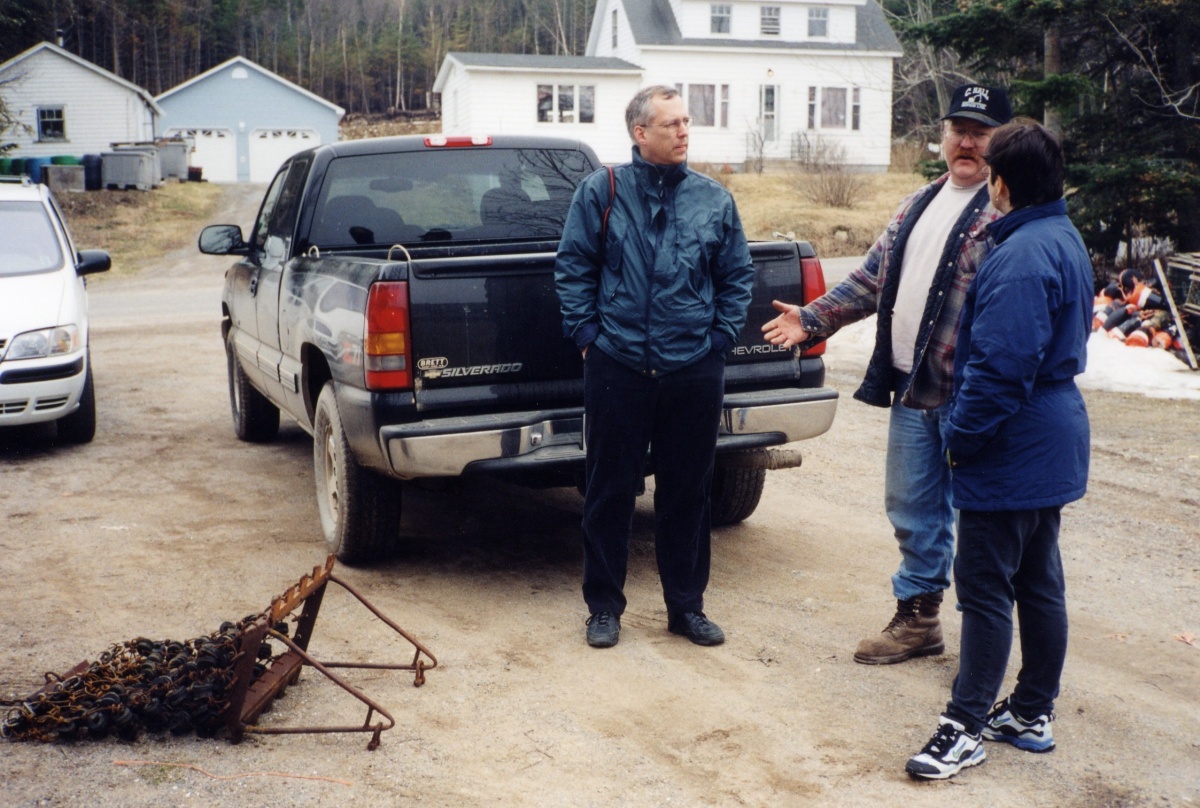
Similar stories are unfolding in coastal communities worldwide – from Indonesia to Brazil – where local actors are actively shaping more sustainable relationships with the ocean. Taken together, these efforts represent a broader, distributed movement in environmental governance.
Through his research, writing, and contributions to international reports with organizations such as the United Nations Food and Agriculture Organization, Charles helps demonstrate that fishing communities are active stewards of marine ecosystems, with valuable knowledge for sustainable ocean management.
The challenge, he argues, is to scale up – to recognize, support, and scale these efforts through policy, partnerships, and greater respect for local and Indigenous knowledge.
“Smart environmental decision-making,” he argues, “means acting at every level.” At the global level, climate change requires international agreements like the Paris Agreement. At the federal and provincial levels, policymakers can implement support systems that enable communities to respond to changing conditions in real time. At the local level, communities can lead implementation, innovation, and stewardship.
“Wonderful people” and real solutions
When asked to sum up World Oceans Day in one word, Charles offers two: “Wonderful people.”
“I like to take a positive view with my students and fishery partners, to highlight that solutions can come at the local level from the collective actions of people working together. I keep coming back to the word ‘inspiring’ because that’s what it is. When you see the work that’s happening, you understand it’s inspiring – it gives me hope for the future.”
More on Tony
- Explore the Community Conservation Research Network.
- See examples of how fishing communities are conserving the ocean.
- Download Tony’s book, Communities, Conservation & Livelihoods.
- Download his UN report, Addressing the Climate Change and Poverty Nexus.
- Watch the documentary Sustainable Futures – Communities in Action.
Written by Paige Beveridge, RSC Communications Manager, communications@rsc-src.ca