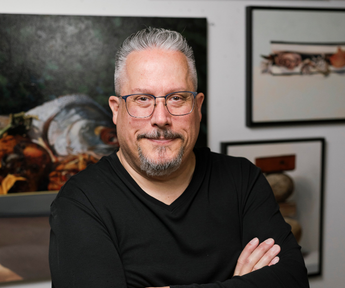

David Garneau (FRSC) (Métis Nation of Saskatchewan) is a painter, curator, critical art writer, and Professor of Visual Arts at the University of Regina. His work and writing engage contemporary Indigenous ways of being, with a focus on how art can express and form identity, complicate history, stimulate empathy, and inspire responsibility. A leading critical voice on Indigenous representation and (re)conciliation, his practice considers how art can both reflect and challenge dominant narratives. Across his work, he examines the ongoing effects of colonialism, including relationships to land, cultural continuity and disruption, historical trauma, and the evolving relationships between Indigenous and non-Indigenous peoples.
In 2024 and 2025, Garneau participated in the Tri-Academy Partnership on Indigenous Engagement. Through this collaboration, he attended the 2025 Taikura Summit in Aotearoa New Zealand. Although not his first visit, the experience offered a deeper opportunity to engage with Māori culture and to take part in an interdisciplinary gathering of Indigenous scholars and artists from around the world. He reflects on what it meant to represent Canada in this international context, and on the ideas, relationships, and insights he continues to carry forward from the summit.
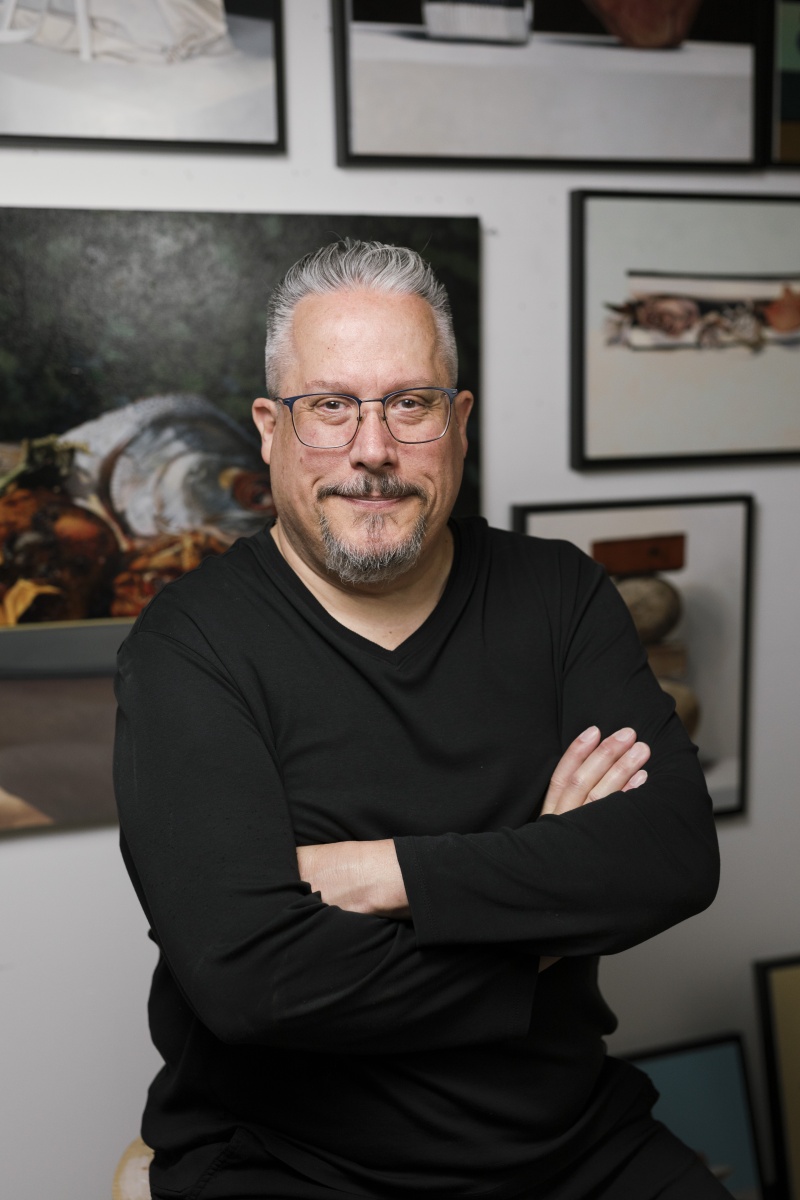
Photo credit: Mika Abbot
Q: Can you start by telling us a bit about yourself?
A: I am a partner, father, and artist. I am a citizen of the Metis Nation of Saskatchewan and a Canadian citizen. I teach Studio Art at the University of Regina. I have lived most of my life in the northern Plains.
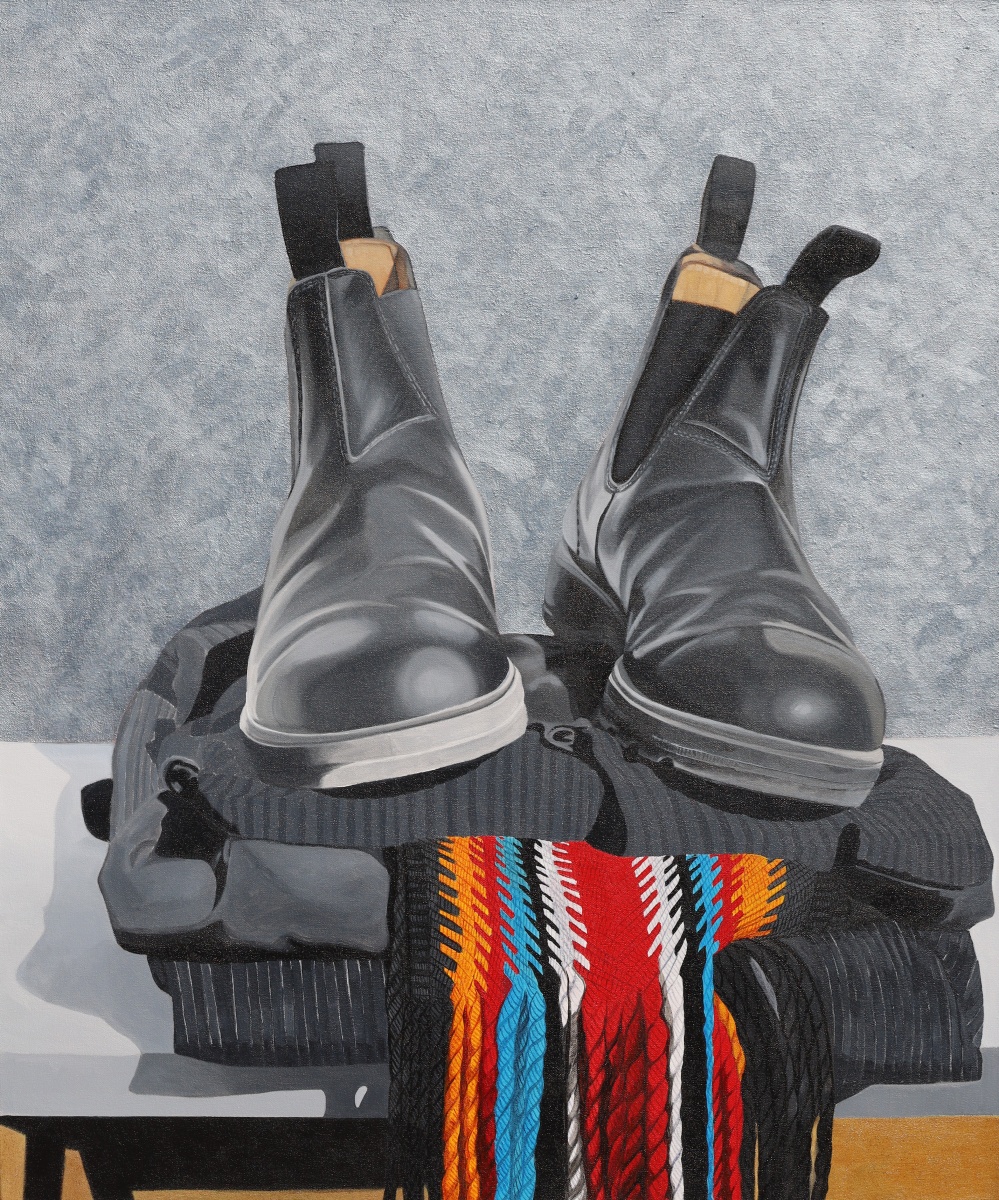
Art credit: David Garneau (“Métis Packing for an Academic Award,” 2024, acrylic on canvas, 36” x 30”)
Q: You’re a painter, curator, writer, and professor — what project has left the biggest mark on you?
A: Teaching and artmaking sustain me more than individual landmark events do. Despite numerous career highlights, it is the daily marvel of being able to make, share, write about, and teach art that marks me most. That said, my first trip to Australia as a member of the Canada Council’s Aboriginal Curators Delegation (2008) was life changing. It was my first time off the continent. I was astounded how the experiences of Indigenous artists and curators there mirrored our own. The trip led to more than a decade of yearly returns, co-curated exhibitions, keynote talks, papers, and other presentations, as well as friendships and academic partnerships.
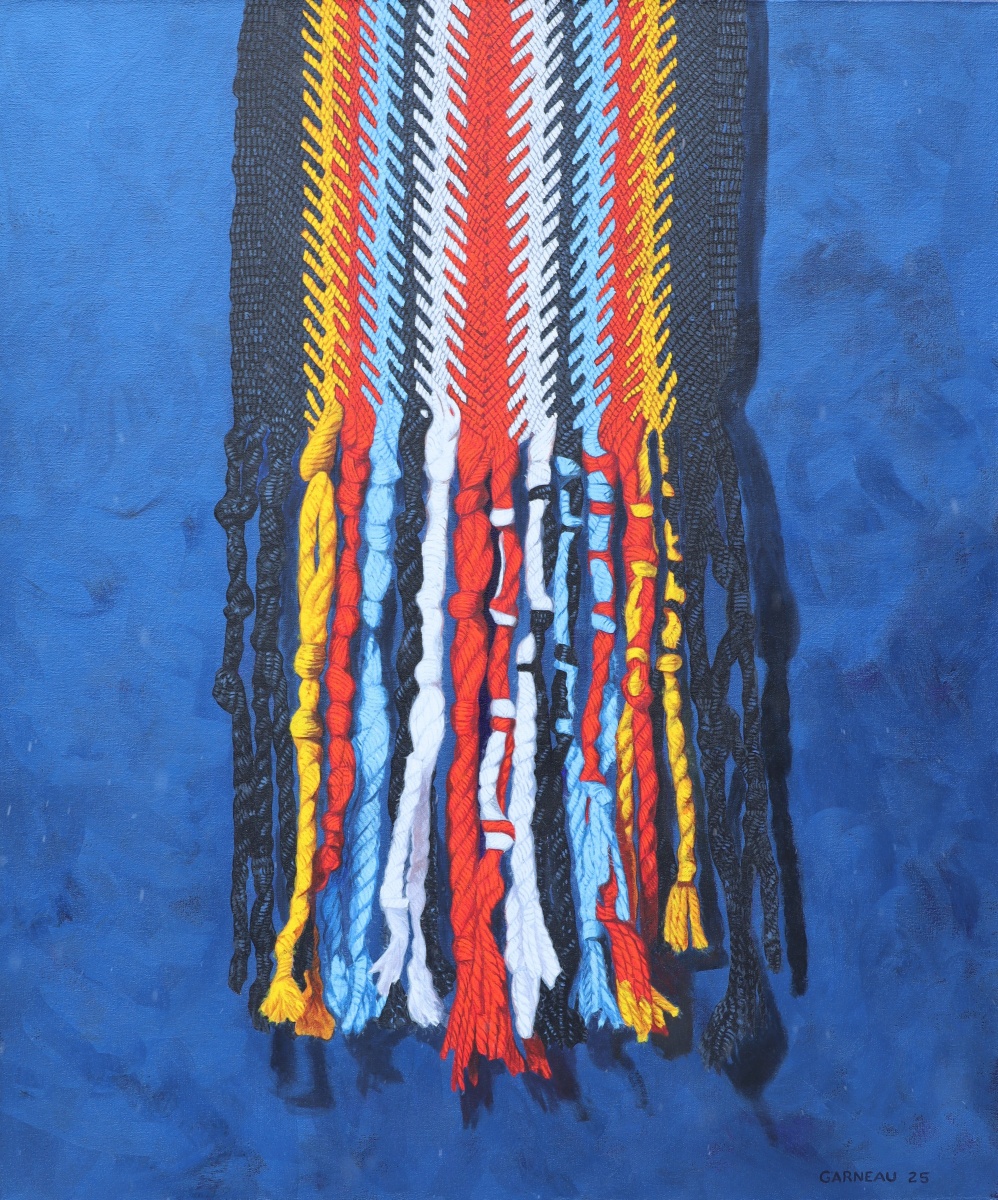
Art credit: David Garneau (“Metis Quipu,” 2025, acrylic on canvas, 36” x 30”)
Q: How has teaching shaped the way you make art?
A: A central requirement of effective teaching is empathy—the drive to understand, appreciate, and vicariously experience the points of view and internal states of others. It is the continuous practice of stepping outside of your preferences and entering those of another. This begins with looking and listening, of understanding students and their art project as best you can before mentoring them toward their goals. This continuous challenge and refreshment can also be a personal hazard. It causes me to continuously reassess my own art practice. Every seven years (during sabbaticals!), my studio practice goes into a crisis and emerges with a content, subject matter, or style change. I have gone from appropriation art that interrogates colonialism and Metis identity, to abstracted map and “beaded” paintings; to roadkill; to quilt paintings; to metaphorical, photo-realistic still life paintings.
Q: Last November, you traveled to Aotearoa New Zealand for the Taikura Summit as part of the Tri-Academy Partnership on Indigenous Engagement. What was that experience like?
A: I have been to Aotearoa New Zealand twice before. I was there as a member of the Canada Council’s third Aboriginal Curators Delegation (2010) and gave a keynote at a museums conference in Auckland in 2016. It was wonderful to return there for the Taikura Summit. I especially appreciated being with such a mixed group, rather than my usual art and museums crowd. As with previous encounters, I was amazed by our past and ongoing similar experiences but also our similar non-colonial strategies and drive toward sovereignty. Māori are often emulated leaders in Indigenous education, language preservation, cultural pride, etc. It was a delight to meet folks I had previously only read or heard about.
Q: What insights or moments from the summit have stayed with you?
A: How the Māori celebrate, and host may seem a minor thing, but it isn’t. When our delegation went to Aotearoa in 2010, we were amazed by their collective singing and celebrating, their care and pride. These practices and attitudes continue to influence me and those who joined me. Several of my companions came home and took up mother-tongue language lessons! All of us try to center care and mentorship. The Māori embodied teachings were reinforced during this most recent trip. Being a good host is about welcoming and sharing, but it is also about claiming space, representing, and permitting a glimpse of difference.
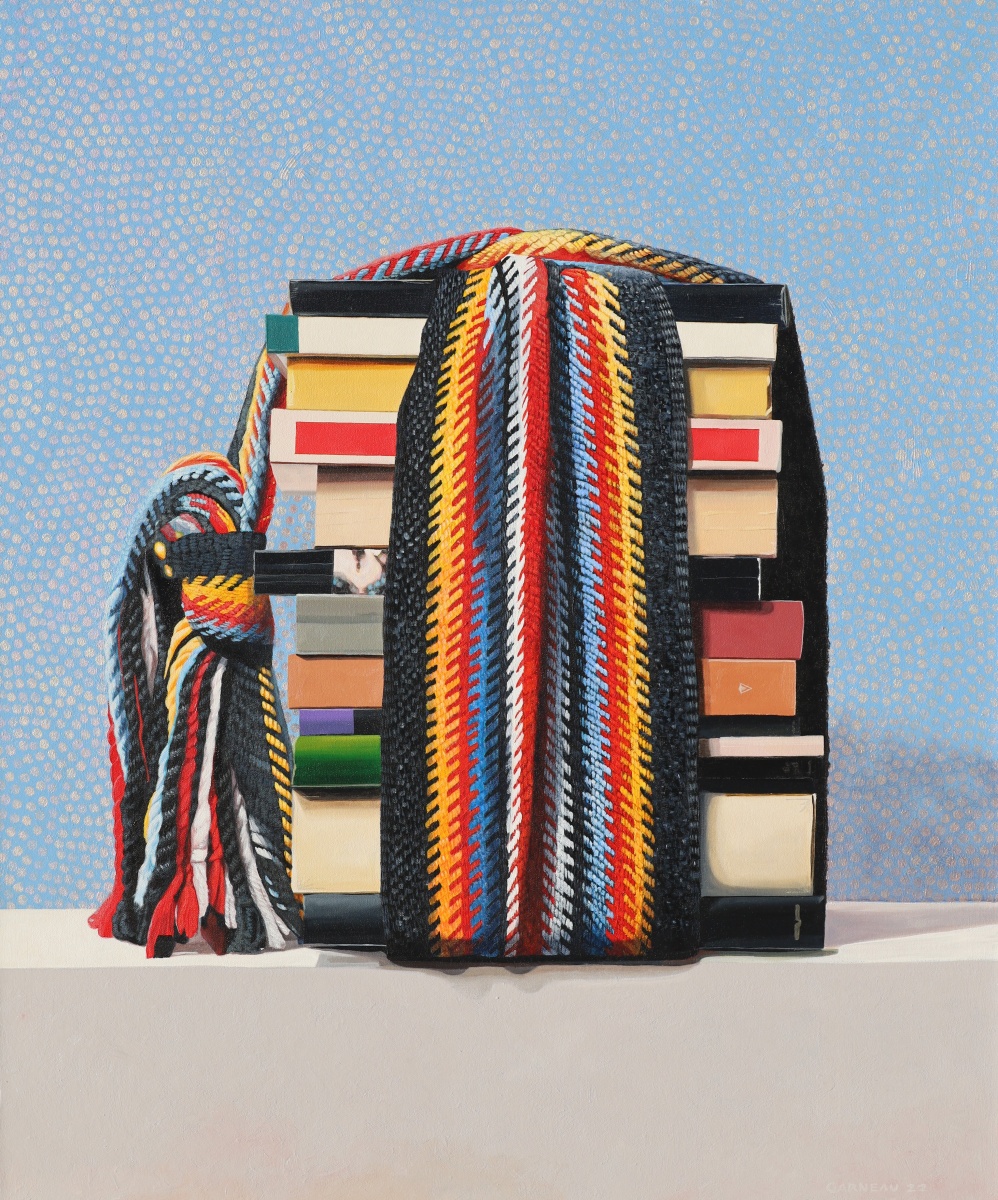
Art credit: David Garneau ("Métis” Bundle II,” 2022, acrylic on panel, 24” x 18” - Mackenzie Art Gallery)
Q: How do you see those lessons playing out beyond the summit — in communities, research, or policy?
A: Numerous moments persist in my memory. I especially appreciate the space made in the schedule for informal conversations—the ability to meet and share with Indigenous academics in multiple fields. It was also helpful to have some continuity, to connect with folks I met at the first summit in Vancouver. Central to both events was community involvement, the mix of academic and community engage folks and practices. The sheer range and depth of practices and achievements (as seen on the panels) was uplifting and inspiring. I am most encouraged by the examples of mentorship, engagement beyond the academy, and a desire for increased Indigenous-to-Indigenous solidarity in increasingly challenging times.
Q: What’s on the horizon for you next?
A: I am about to go on sabbatical, which means my studio practice faces another crisis! I’m off to a retreat at the Banff Centre for the Arts and Creativity next week. It is a small gathering of fellow senior Metis artists, curators, and thought leaders looking to shape our collective futures.
Q: Why is it important to celebrate National Indigenous Peoples Day?
A: National Indigenous Peoples Day is usually a workday for me, a chance to share my art and culture with Indigenous and non-Indigenous folks. It is a reminder to Canadians of the folks they share these lands with and our entwined histories and futures. My hope is for a continued shared future, but one respectful of Indigenous ways, of knowing being, and doing. One that includes increased Indigenous sovereignty, including in education and the arts.