

You are here
Prof. Carl Haas
RSC Fellow, Academy of Sciences
Affiliation: University of Waterloo
Induction Year: 2022
Carl Haas has contributed seminal new knowledge in the principles behind, the interdependencies among and the circular economic applications of computer vision, mixed reality, building information modeling and human-robotic-systems. Key barriers in the way of moving toward a circular economy in the built environment include the scale, complexity, and uncertainty associated with constructing, maintaining and deconstructing our built environment. His contributions improve complex, built environment systems’ performance.
Carl Haas a apporté de nouvelles connaissances fondamentales sur les principes, les interdépendances et les applications liées à l’économie circulaire de la vision par ordinateur, de la réalité mixte, de la modélisation des informations sur les bâtiments et des systèmes humain-robot. Les principaux obstacles à l’évolution vers une économie circulaire dans l’environnement bâti sont l’échelle, la complexité et l’incertitude associées à la construction, à l’entretien et à la déconstruction de notre environnement bâti. Ses contributions améliorent la performance des systèmes complexes de l’environnement bâti.
Prof. Wagdi George Habashi
RSC Fellow, Academy of Sciences
Affiliation: McGill University
Keywords: Computational Fluid Dynamics, Finite Element Methods, In-Flight Icing Simulation, Mesh Optimization, Super computing
Induction Year: 2008
HABASHI, Wagdi George - Department of Mechanical Engineering, McGill University
Wagdi Habashi is widely recognized for the formulation, modeling and application of finite
element methods to Computational Fluid Dynamics (CFD). He has developed efficient applied
mathematics solutions to a wide range of complex aerospace problems for aircraft, rotorcraft and
jet engines. In the in-flight icing area, his unique formulation has resulted in a code widely used
throughout the aerospace industry, worldwide.
Wagdi Habashi est reconnu pour la formulation, la modélisation et l'application de méthodes d'éléments finis à la dynamique des fluides computationnelle (CFD). Il a développé des approches de mathématiques appliquées pour résoudre un large éventail de problèmes complexes dans le domaine de l’aéronautique, soit pour les aéronefs, les giravions et les moteurs à réaction. Dans le domaine du givrage en vol, sa formulation unique a abouti à un code utilisé mondialement dans l'industrie aérospatiale.
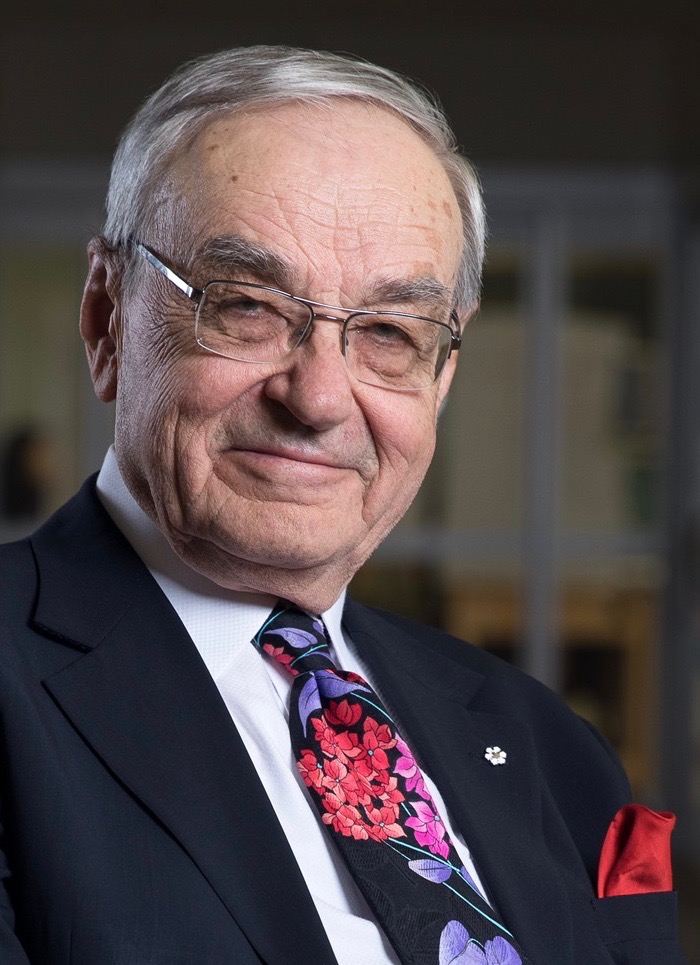
Prof. Vladimir Hachinski
RSC Fellow, Academy of Sciences
Affiliation: Western University
Keywords: stroke, dementia, prevention, Neurology
Induction Year: 2014
HACHINSKI, Vladimir – Department of Clinical Neurological Sciences, Western University Vladimir Hachinski co-founded the world’s first successful acute stroke unit, discovered the brain region involved in sudden death following stroke, and helped expound the stroke-Alzheimer disease connection. The concepts brain attack, multi-infarct dementia, leukoaraiosis, vascular cognitive impairment and the Hachinski Ischemic Score are his own. He has been Editor of STROKE, President of the World Federation of Neurology and created the World Brain Alliance, World Stroke Day and the World Stroke Agenda. He leads an Integral Brain Health Implementation Strategy (IBHIS).
HACHINSKI, Vladimir – Department of Clinical Neurological Sciences, Western University
Vladimir Hachinski a co-fondé la première unité réussite de l’accident vasculair cérébral. Il a découvert la
région du cerveau impliqué dans la mort subite après un AVC et il a contribué à exposer la connexion
entre l’AVC et la maladie d’Alzheimer. Les concepts d’attaque cérébrale (brain attack) la démence par
infarctus multiples, la leucoaraïose, le déclin cognitif vasculaire et le score ischémique sont les siens. Il a été rédacteur
en chef du journal STROKE, président de la Fédération Mondiale de Neurologie (World Federation of Neurology),
et il a créé les World Brain Alliance, World Stroke Day et World Stroke Agenda.
Dr. Ian Hacking
RSC Fellow, Academy of the Arts and Humanities
Affiliation: University of Toronto
lan Hacking's reinterpretations of the history of the most fundamental aspects of philosophical and scientific thought combine keenness of philosophical penetration with boldness of historical interpretation. His books on the logical foundations of statistical inference and of the historical conditions that made it possible for philosophers to take probability seriously have been recognized as making profound and lasting contributions to their subject. His more recent work on the changing significance of language in philosophy and of the relation between experiment and theory confirms his position as one of the leading figures in the philosophy of science today. He is Professor, University of Toronto, in Philosophy and in the History of Philosophy of Science of Technology.
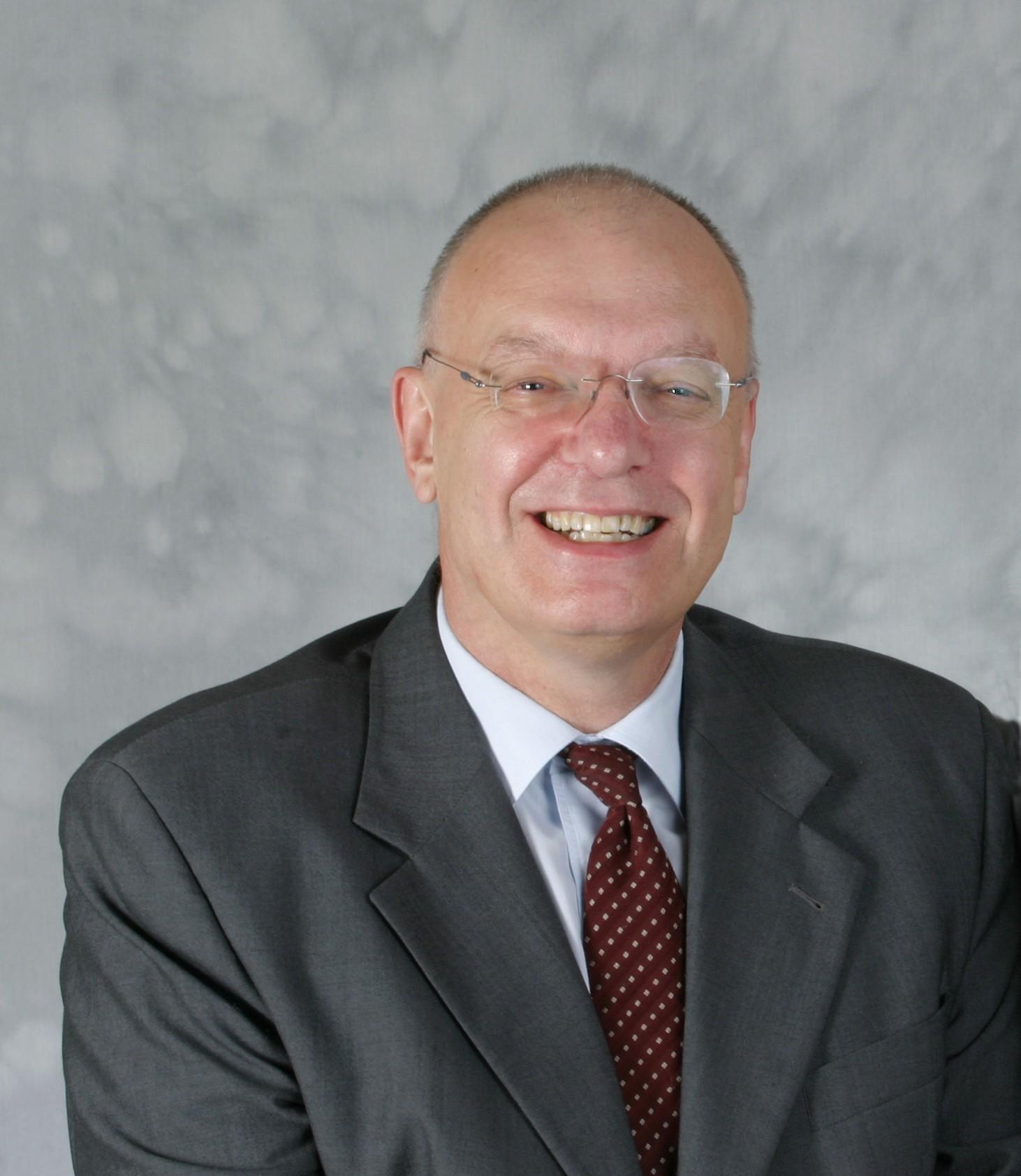
Dr. Peter Hackett
RSC Fellow, Academy of Sciences
Affiliation: University of Alberta
Keywords: Science policy, innovation policy, nanotechnology, genomics, chemistry
Long Citation
Peter Hackett made major contributions while at NRC in chemical physics that led to improved synthesis of vitamin D and isotopic enrichment via infrared multiphoton dissociation. He developed methods now widely used to study reactions at metal centers and was among the first to delineate potential revolutionary chemical properties of nanoscale metal clusters. He was pivotal in establishing the National Institute for Nanotechnology, a ground-breaking university-government collaboration. His vision and leadership has positioned Canada at the forefront of emerging fields such as nanotechnology, photonics, genomics and information technologies, and challenged Canadians to work together to develop technologies to raise the standards of living in developing countries.
Short Citation
Peter Hackett made major contributions in chemical physics. He developed methods now widely used to study reactions at metal centers and was among the first to delineate chemical properties of nanoscale metal clusters. His vision and leadership has positioned Canada at the forefront of emerging fields such as nanotechnology and challenged Canadians to work together to develop technologies to raise the standards of living in developing countries.
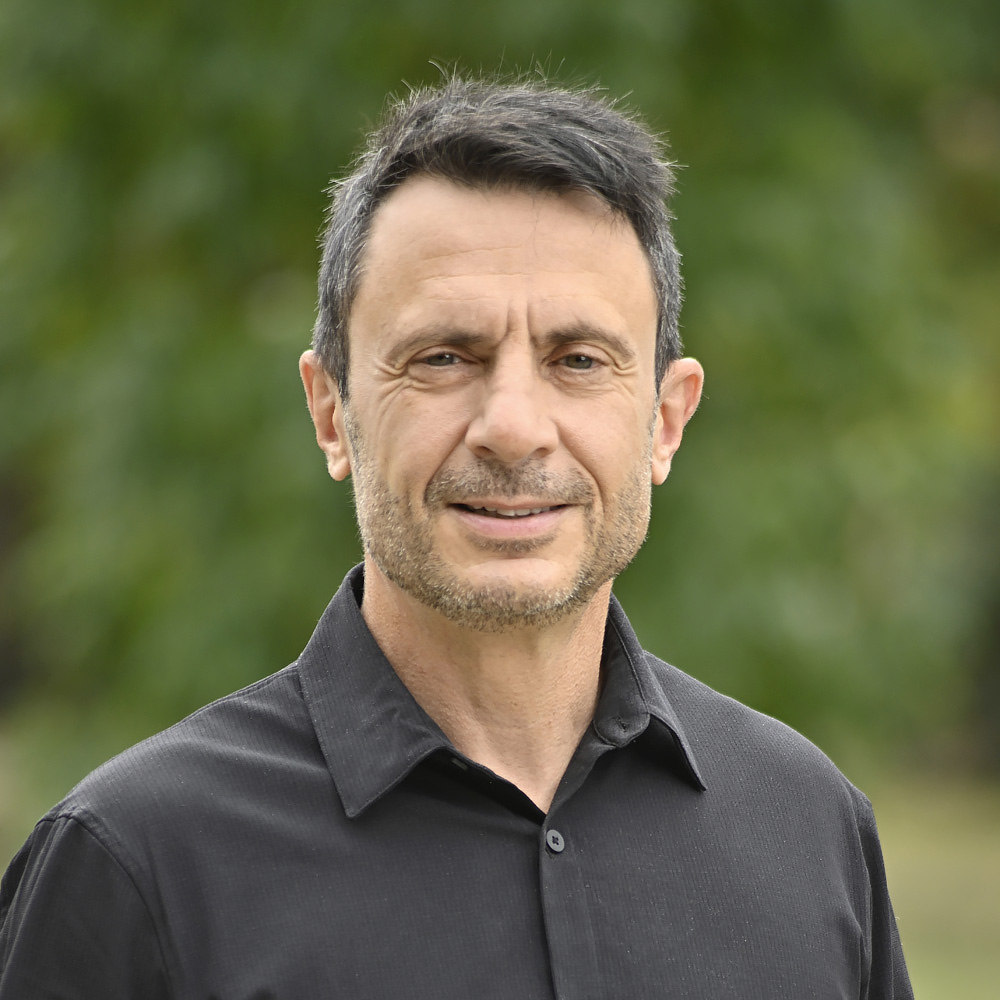
Prof. Thomas Hadjistavropoulos
RSC Fellow, Academy of Social Sciences
Affiliation: University of Regina
Induction Year: 2025
Thomas Hadjistavropoulos pioneered the development of innovative behavioural research methods, used worldwide, for evaluating pain in seniors with severe limitations in ability to communicate because of dementia. He also made major theoretical contributions to our understanding of the psychosocial contributors to the pain experience. Complementing this work are many authoritative papers on health care ethics. He has published over 260 articles/chapters, 7 books, and received numerous awards and honours.
Thomas Hadjistavropoulos a développé des méthodes innovantes de recherche comportementale, qui sont aujourd’hui utilisées dans le monde entier pour évaluer la douleur chez les personnes âgées dont la capacité à communiquer est gravement limitée par la démence. Il a également apporté des contributions théoriques majeures à notre compréhension des facteurs psychosociaux qui contribuent à l’expérience de la douleur. Il a également à son actif de nombreux écrits sur l’éthique des soins de santé, qui font désormais autorité. Il a publié plus de 260 articles ou chapitres et sept livres, et a reçu un grand nombre de prix et de distinctions.
Dr. R. Haering
RSC Fellow, Academy of Sciences
Affiliation: The University of British Columbia
Although by inclination and interest primarily a theoretical physicist, Professor Haering also does excellent experimental work and his papers are characterized by a lively interplay between theory and experiment. He is best known for his work on the Zeeman effect in Germanium. ultrasonics in metals and his prediction of the existence of a Doppler-shifted cyclotron resonance in metals which was later detected by Kirsch and Redfield. At Simon Fraser University, his energy, enthusiasm and ability to stimulate others has enabled him, in a few years, to develop one of the strongest solid state physics groups in Canada.
M. Taïeb Hafsi
RSC Fellow, Academy of Social Sciences
Affiliation: HEC Montréal
Keywords: stratégie-management-théorie organisations
Induction Year: 2018
HAFSI, Taieb - Département de management, HEC Montréal
Taïeb Hafsi apporte des contributions de classe mondiale dans cinq aspects du management stratégique : le management, la stratégie, le changement, la gouvernance et la performance sociale d’organisations complexes comme les entreprises diversifiées, les entreprises publiques, les sociétés d’État, les grandes fondations, les OBNL et les États. Ses travaux sont originaux, pionniers, influents, marquants par leur ampleur, leur profondeur. Ses résultats de recherche lui ont valu un grand rayonnement international.
Dr. John Hagan
RSC Fellow, Academy of Social Sciences
Affiliation: University of Toronto
Although the author of five books, the themes that best distinguish the work of Professor Hagan are
reflected in two editions of "The Disreputable Pleasures: Crime and Deviance in Canada" (1977, 1984), one of the most widely read books in this field in Canada, in "Modern Criminology: Crime,
Criminal Behavior and its Control" (1985) and in articles which have appeared in leading journals in Canada, the United States and Britain. The work is highly original and extensively cited for the ways in which it brings the concepts of power and social structure to the study of social control, including crime control and the causes of criminal and delinquent behavior. His work is internationally recognized, as reflected by election to the prestigious international membership (200 members worldwide) of the Sociological Research Association, and appointment as the youngest and as only the third Canadian based Fellow of the American Society of Criminology.
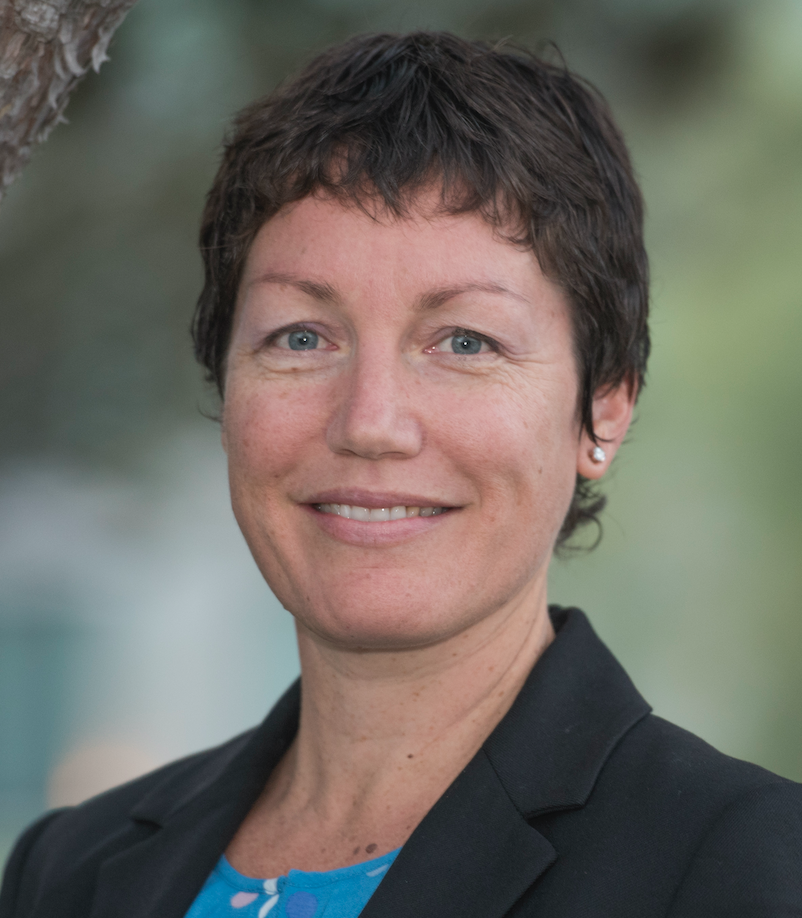
Prof. Daryl Haggard
RSC College Member
Affiliation: McGill University
Keywords: astrophysics, black holes, neutron stars, Galactic centre, Sgr A*, gravitational waves, sources, multi-wavelength, multi-messenger, time domain
Induction Year: 2021
Daryl Haggard is a world-expert in observational studies of black holes, including Sagittarius A*, the supermassive black hole in our Milky Way Galaxy. She uses radio, submillimeter, infrared, and X-ray telescopes to probe exotic black hole environments, where strong gravity plays a key role. She is also internationally known for her contributions to multi-messenger astrophysics, including the joint discovery of X-ray and gravitational wave emission from the first known collision of two neutron stars.
Daryl Haggard est une experte mondiale dans les études observationnelles des trous noirs, notamment Sagittarius A*, le trou noir supermassif au coeur de la Voie lactée. Elle utilise des télescopes radio, submillimétriques, infrarouges et à rayons X pour sonder les environnements exotiques des trous noirs, où la forte gravité joue un rôle clé. Elle est également connue au niveau international pour ses contributions à l'astrophysique multi-messagers, notamment la découverte conjointe d'émissions de rayons X et d'ondes gravitationnelles provenant de la première collision connue de deux étoiles à neutrons.
Prof. Benjamin Haibe-Kains
RSC College Member
Affiliation: University Health Network
Induction Year: 2022
Benjamin Haibe-Kains is an international leader in Bioinformatics—the development of computational methods based on statistics and machine learning to analyze large, complex biomedical data. His work is improving the prediction of disease progression and therapy response, cornerstones of precision medicine. He is a champion of transparent and reproducible research, exploring how cloud computing and software virtualization can improve the way data, analytical tools and findings are disseminated.
Benjamin Haibe-Kains, Département de Biophysique Médicale, Université de Toronto
Benjamin Haibe-Kains est reconnu internationalement pour son expertise en bioinformatique, particulièrement pour le développement de méthodes computationnelles basées sur l’apprentissage automatique pour analyser de grandes bases de données biomédicales. Son travail vise à améliorer la prédiction de la progression des cancers et de leurs réponses aux traitements. Il explore comment les nouvelles technologies d’informatique nuagique et virtuelle peuvent améliorer la transparence et la reproductibilité de la recherche biomédicale.
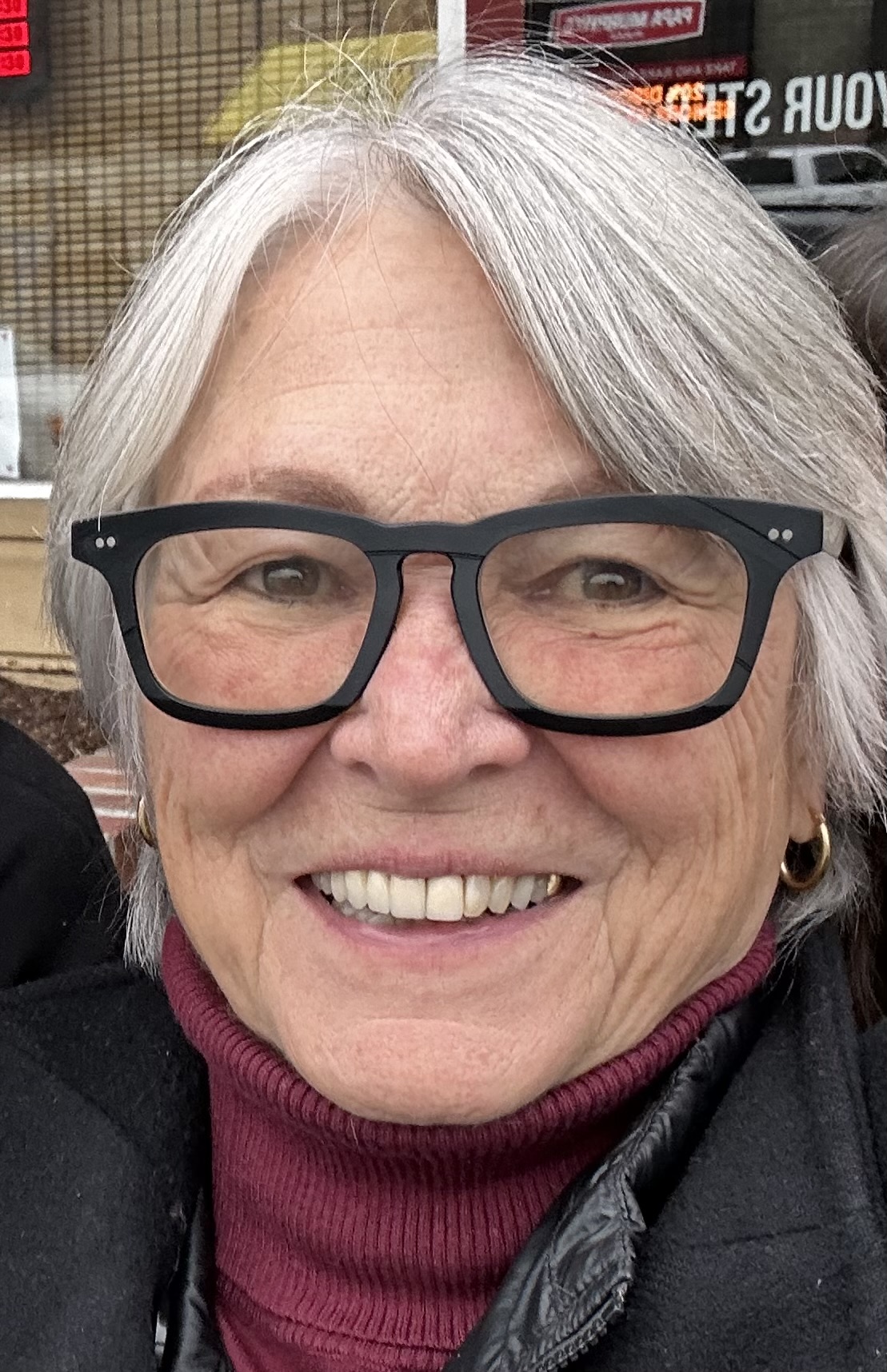
Prof. Celia Haig-Brown
RSC Fellow, Academy of Social Sciences
Affiliation: York University
Keywords: Indigenous
Induction Year: 2022
Celia Haig-Brown, an Anglo-Canadian scholar, has spent her career committed to respectful and reciprocal research and practice working closely with Indigenous collaborators from Secwépemc territory to the Naskapi Nation. Her 1988 book, based on testimonies of Indian residential school survivors, has served as the basis for two films and a 2022 version with Indigenous contributions. Her next SSHRC-funded film: Rodeo Women: Behind the Scenes is in post-production.
Celia Haig-Brown, universitaire anglo-canadienne, a consacré sa carrière à la recherche et à une pratique respectueuses et réciproques en travaillant en étroite collaboration avec des collaborateurs autochtones issus de régions allant du territoire Secwépemc à la Nation Naskapi. Son livre de 1988, basé sur les témoignages de survivants des pensionnats indiens, a servi de base à deux films et à une version de 2022 à laquelle ont contribué des Autochtones. Son prochain film financé par le CRSH, Rodeo Women: Behind the Scenes est en cours de postproduction.
Prof. Jess Haines
RSC College Member
Affiliation: University of Guelph
Induction Year: 2020
Jess Haines’s research bridges epidemiologic research on the determinants of child health behaviour with effective and scalable family-based health promotion interventions. She prioritizes an integrated knowledge translation (iKT) approach that engages key knowledge users in the research process and works to mobilize results to effect real, lasting change to benefit the health of children and families.
Jess Haines fait le pont entre la recherche épidémiologique sur les déterminants du comportement des enfants en matière de santé avec des interventions de promotion de la santé efficaces et réalistes pour les familles. Elle privilégie une approche intégrée de transfert de connaissances en impliquant les principaux utilisateurs de connaissances dans tout le processus de recherche. Elle dissémine les résultats afin d’apporter des changements qui perdurent et dont les enfants et les familles peuvent réellement bénéficier.
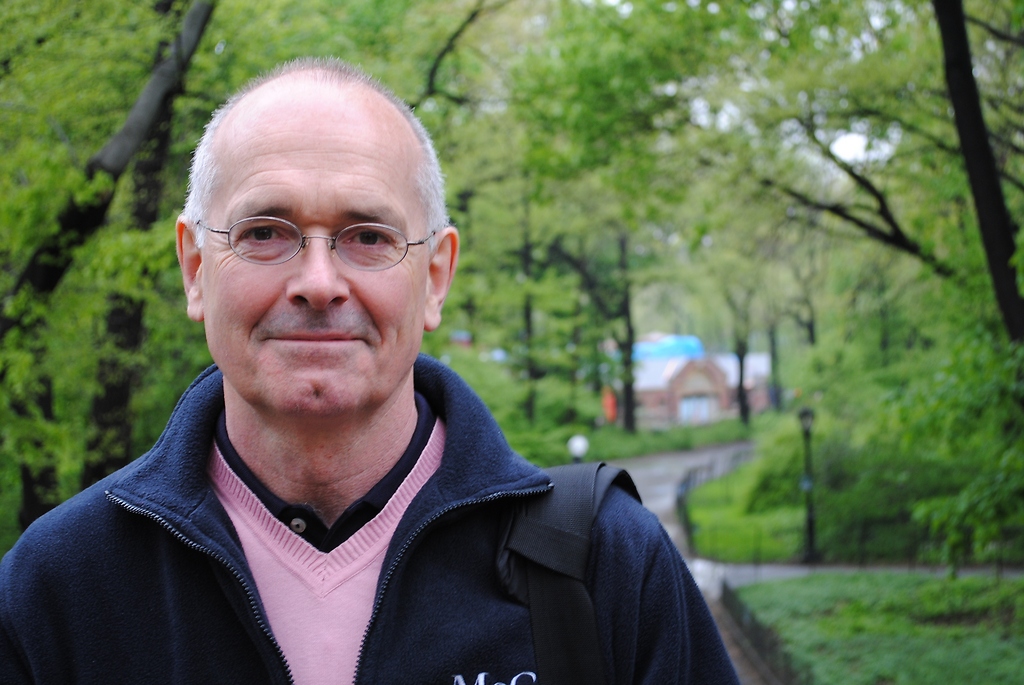
Prof. John Hall
RSC Fellow, Academy of Social Sciences
Affiliation: McGill University
Keywords: nationalism, empire, war
Induction Year: 2012
HALL, John A. - Department of Sociology, McGill University
John A. Hall has made important scholarly contributions in a prolific career in the areas of nationalism, liberalism, state theory and international relations. He has been the recipient of the Marcel Vincent Prize from Quebec. He served as Dean of the Faculty of Arts during a crucial period of renewal. He is currently completing a book on nations, states and empires.
HALL, John A. - Département de sociologie, Université McGill
Durant sa prolifique carrière, John A. Hall a apporté une contribution importante au savoir académique en matière de nationalisme, de libéralisme, de théorie de l’État et de relations internationales. Le Gouvernement du Québec lui a attribué le prix Marcel Vincent. À l’université, il a occupé le poste de recteur de la Faculté des arts au cours d’une période de renouvellement cruciale. À l’heure actuelle, il met la dernière main à la rédaction d’un ouvrage sur les nations, les états et les empires.
Dr. Brian Hall
RSC Fellow, Academy of Sciences
Affiliation: Dalhousie University
Keywords: Embryology. evolution, development, evolutionary developmental biology
Dr. B.K. Hall is a developmental biologist who has studied how skeletal development is controlled. His highly original work has demonstrated that cells of craniofacial bones can form both cartilage and bone. To form cartilage, cells must be exposed to mechanical forces associated with embryonic movement. Bone formation is initiated by products of the embryonic epithelial basal laminae acting inductively on embryonic mesenchyme. Development is under epigenetic control and epigenetic factors have been important in the evolution of vertebrates.
Dr. Judith Hall
RSC Fellow, Academy of Sciences
Affiliation: The University of British Columbia
Keywords: birthdefects, clinical genetics, arthrogryposis, twins, epigenetics
Induction Year: 2011
HALL, Judith G. - Department of Medical Genetics and Pediatrics, The University of
British Columbia
Judith G. Hall is a clinical geneticist who has worked on birth defects and non-traditional
mechanisms of disease.
HALL, Judith G. - Département de médecine génétique et de pédiatrie, The University of
British Columbia
Judith G. Hall est une généticienne clinique qui a travaillé sur des anomalies congénitales et sur
des mécanismes non conventionnels de maladies.
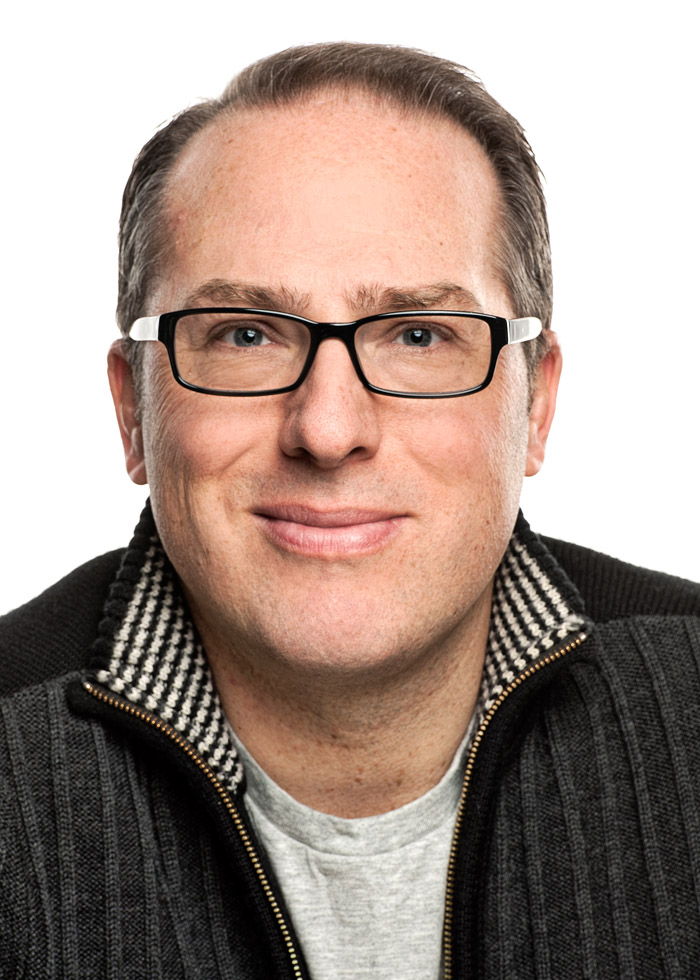
Prof. Dennis Hall
RSC Fellow, Academy of Sciences
Affiliation: University of Alberta
Keywords: Organic Synthesis, Methodology, Medicinal Chemistry
Induction Year: 2017
Dennis Hall, University Professor and Canada Research Chair, is an organic chemist recognized as a world leader in the chemistry and chemical biology of the element boron. His research work is centered on the study of the properties and the reactivity of organoboronic acids, and their multiple applications in catalysis and drug discovery. His efforts led to the discovery of new and greener reaction processes, and to new classes of organoboron compounds that are currently exploited as pharmaceutical agents.
Dennis Hall, professeur titulaire et chaire de recherche du Canada, est un chimiste organicien reconnu comme chef de file mondial en chimie et chimie biologique de l'élement bore. Ses travaux de recherche sont centrés sur les propriétés et la reactivité des acides organoboroniques et de leur multiples applications en catalyse et en chimie médicinale. Ses efforts ont mené à la découverte de nouvelles réactions chimiques plus vertes et efficaces, et à de nouvelles classes de composés organoborés qui sont exploités comme agents pharmaceutiques.
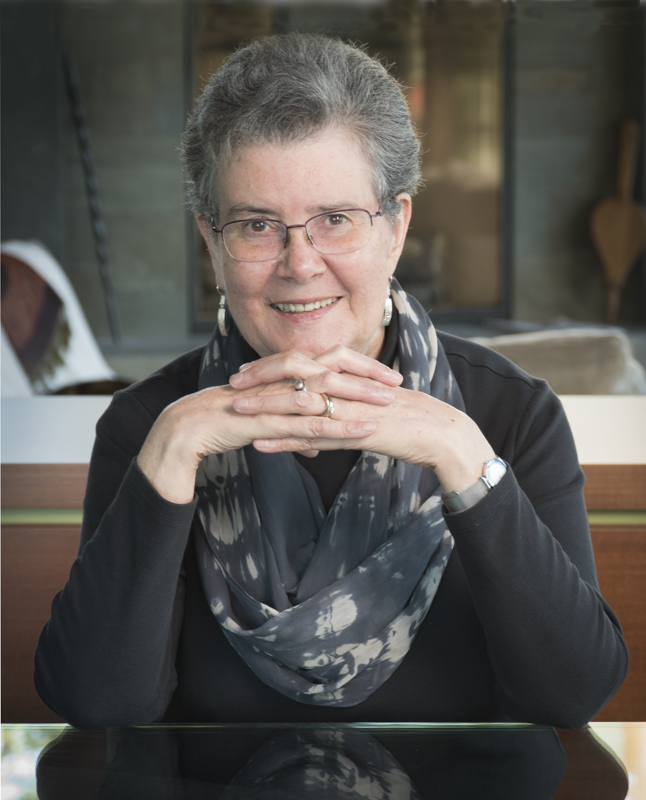
Dr. Janet E. Halliwell
RSC Fellow, Academy of Sciences
Keywords: Neurology, Internal Medicine, Clinical Pharmacology
Induction Year: 2019
HALLIWELL, Janet – J.E. Halliwell Associates Inc.
In over 40 years working with the academic research community, Janet Halliwell has made seminal contributions to the evolution of funding programs, research management and S&T policy in Canada. She has played a leadership role in the design and implementation of innovative new programming in her work with each of the federal funding agencies and has championed inter-agency collaboration. She serves on numerous national, regional and institutional boards and committees dealing with the academic research ecosystem.
Janet Halliwell a contribué de façon déterminante à l’évolution des programmes de financement, de la gestion de la recherche et des politiques de science et technologie au Canada. Elle a joué un rôle de chef de file dans la conception et la mise en œuvre de nouveaux programmes novateurs dans son travail avec chacun des organismes de financement fédéraux et a défendu la collaboration interorganismes. Elle siège au sein de nombreux conseils et comités nationaux, régionaux et institutionnels en charge de l’écosystème de la recherche universitaire.
Dr. Philip Halloran
RSC Fellow, Academy of Sciences
Affiliation: University of Alberta
Keywords: transplantation, immunology, genomics, disease phenotyping, microarrays
Long Citation
Dr. Halloran is an international leader and pioneer in organ transplantation. His seminal contributions include: delineating the role of interferon-y in injury and rejection and. its effect on MHC l and II; describing mechanisms of T cell mediated and antibody mediated rejection; describing the effects of somatic cell senescence on transplant performance; and developing diagnostic systems for transplantation. Recently, he has annotated the transcriptome of rejecting kidney to significantly advance a mechanistic understanding of allograft rejection. Dr. Halloran has significantly advanced clinical transplant medicine through the study and optimization of immunosuppressive therapy resulting in improved outcomes for transplant patients worldwide. Dr. Halloran is founding Editor of the American Journal of Transplantation, the leading journal in transplantation, and was recently named an Officer of the Order of Canada.
Short Citation
Dr. Halloran is an international leader and pioneer in organ transplantation. His has made seminal contributions that have significantly advanced clinical transplant medicine through the study and optimization of immunosuppressive therapy resulting in improved outcomes for transplant patients worldwide. Dr. Halloran is founding Editor of the American Journal of Transplantation and an Officer of the Order of Canada.
Dr. Stephen Halperin
RSC Fellow, Academy of Sciences
Affiliation: University of Maryland
S. Halperin has worked-widely in algebraic topology and differential geometry. His deepest results are in rational homotopy theory, a field which was initiated by Quillen and Sullivan, and in which Halperin is now a world leader. His theorem on the homotopy Euler characteristic is considered the most interesting piece of work in rational homotopy theory in the last ten years. Halperin's contributions to rational homotopy theory have all been striking and highly original. They will stand the test of time and, in fact, will help to define the future of the field.
Dr. Mitchell Halperin
RSC Fellow, Academy of Sciences
Affiliation: University of Toronto
Keywords: Acid-base, potassium, sodium, water, integrative physiology.
Dr. Mitchell Halperin is internationally renowned for his expertise in and contributions to the clinical diagnosis and treatment of electrolyte and acid-base disorders. Through his creative endeavours he has changed our understanding of how the kidney regulates body metabolism. His contributions to education are widely acknowledged. Perhaps most striking is the fact that virtually every medical school in Canada, and many elsewhere in the world, are staffed by academic nephrologists whom he trained.
Prof. Mark Halpern
RSC Fellow, Academy of Sciences
Affiliation: The University of British Columbia
Induction Year: 2020
Mark Halpern makes measurements which have sharpened our understanding of the contents and dynamics of the Universe. Measurements showing little distortion of the cosmic microwave background spectrum established that the Universe was in thermal equilibrium when it was 10 days old. Measurements of the anisotropy of the CMB with WMAP, ACT and Bicep establish that the Universe is spatially flat, comprised of 70% dark energy with dark (invisible) matter substantially outweighing baryonic matter
Mark Halpern effectue des mesures qui ont affiné notre compréhension du contenu et de la dynamique de l’univers. Des mesures démontrant une faible distorsion du spectre micro-ondes cosmiques de fond ont établi que l’univers était en équilibre thermique lorsqu’il avait 10 jours. Des mesures de l’anisotropie du rayonnement cosmique avec WMAP, ACT et Biceps établissent que l’univers est spatialement plat, composé de 70% d’énergie noire avec de la matière noire (invisible) dépassant largement la matière baryonique.
Prof. Galen Halverson
RSC Fellow, Academy of Sciences
Affiliation: McGill University
Induction Year: 2023
Professor Galen Pippa Halverson is a stratigrapher, sedimentologist, and isotope geochemist who interrogates the sedimentary and stratigraphic record to infer geographic, tectonic, and environmental information about the ancient Earth. He is among the world’s foremost expert on the era of Earth history between 1.7 and 0.6 billion years ago, an era that encompassed the assembly and disintegration of the supercontinent Rodinia and early diversification of eukaryotic organisms.
Le professeur Galen Pippa Halverson est un stratigraphiste, sédimentologiste et isotopiste qui interroge les enregistrements sédimentaires et stratigraphiques pour en extraire de l’information géographique, tectonique et environnementale sur le passé de la Terre. Il est la sommité mondiale de la période de l’ère géologique de la Terre d’il y a 1.2 et 0.7 milliards d’années, une période de l’histoire de la Terre qui inclue la formation et désintégration du supercontinent Rodinia, ainsi que la diversification précoce des organismes eucaryotes.
Dr. Feridun Hamdullahpur
RSC Fellow, Academy of Sciences
Affiliation: University of Waterloo
Keywords: Energy Conversion Systems; Fluidized Beds: Hydrodynamics and Combustion; Solid Oxide Fuel Cells;
Induction Year: 2018
HAMDULLAHPUR, Feridun - Department of Mechanical and Mechatronics Engineering, University of Waterloo
A United Nations HeForShe Impact Champion, President Feridun Hamdullahpur is committed to advancing equity in higher education around the world. His leading work with Cooperative Education and Entrepreneurial programs has made him a sought-after advisor on post-secondary committees in Europe and the Middle East. Prior to his administrative work, he focused on Engineering and brought his life-changing Fluidized Bed Gasification technology to developing countries like Sierra Leone and India.
Défenseur de la campagne des Nations Unies HeForShe, le président Feridun Hamdullahpur s’est engagé dans la promotion de l’équité dans l’enseignement supérieur dans le monde. Son travail de direction avec des programmes d’éducation coopérative et d’affaires a fait de lui un conseiller convoité dans les comités d’éducation postsecondaire en Europe et au Moyen-Orient. Avant ses fonctions administratives, il travaillait dans le génie et a apporté sa technologie novatrice de gazéification à lit fluidisé dans des pays en voie de développement tels que la Sierra Leone et l’Inde.