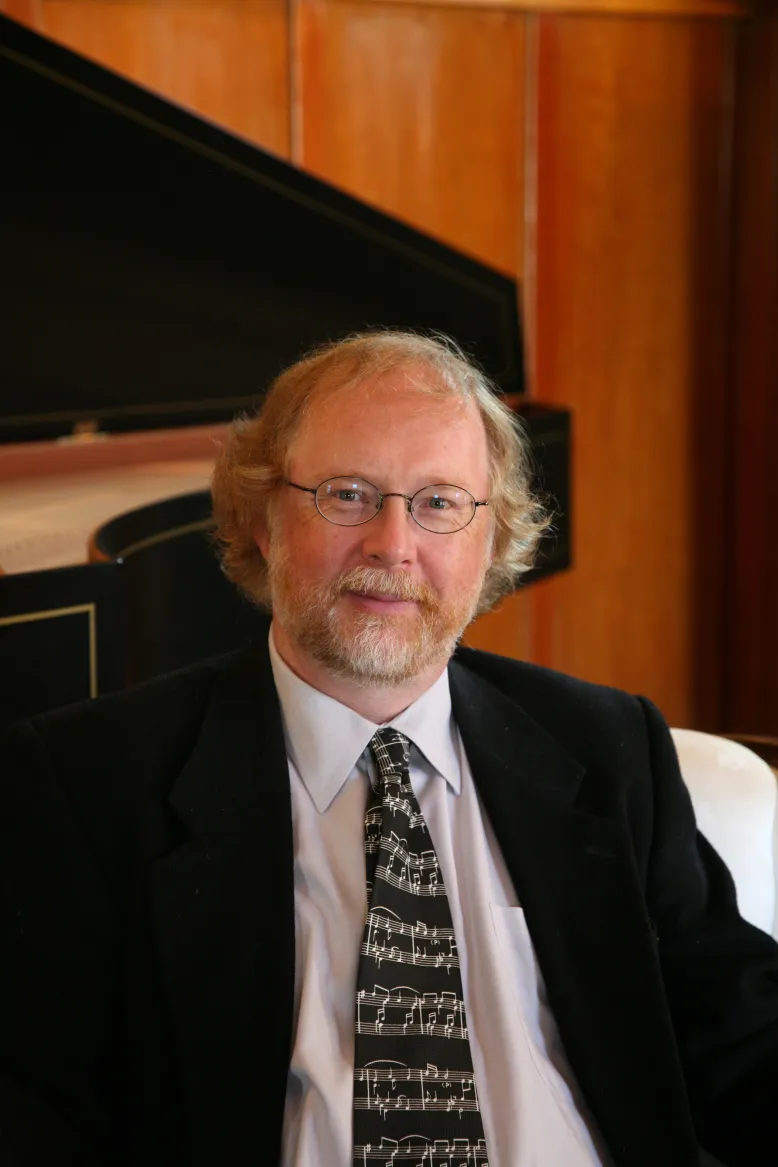
Prof. James Young
Fellow
Current Employer
University of Victoria
Election Year
2015
Academy
Academy of the Arts and Humanities
Discipline
Philosophy / Ethics
Keywords
Philosophy of language, Aesthetics, metaphysics
Updated July 6, 2015
YOUNG, James O., Faculty of Humanities, University of Victoria
James O. Young is a leading contemporary philosopher of art. He is particularly known as the preeminent authority on philosophical issues surrounding cultural appropriation, a prominent exponent of aesthetic cognitivism (the view that the fine arts can contribute importantly to knowledge), and as an authority on philosophy of music. He is known for his lucid and iconoclastic writings that challenge philosophical orthodoxy.
Updated July 6, 2015
James O. Young est un philosophe principal de l'art contemporain. Il est en particulier connu comme l'autorité prééminente sur philosophie et l'appropriation culturelle, un exposant en avant de cognitivism esthétique (la vue que les beaux-arts peuvent contribuer important pour la connaissance), et comme un autorité sur la philosophie de la musique. Il est connu pour ses écritures lucides et iconoclastes qui contestent l'orthodoxie philosophique.
James O. Young est un philosophe principal de l'art contemporain. Il est en particulier connu comme l'autorité prééminente sur philosophie et l'appropriation culturelle, un exposant en avant de cognitivism esthétique (la vue que les beaux-arts peuvent contribuer important pour la connaissance), et comme un autorité sur la philosophie de la musique. Il est connu pour ses écritures lucides et iconoclastes qui contestent l'orthodoxie philosophique.