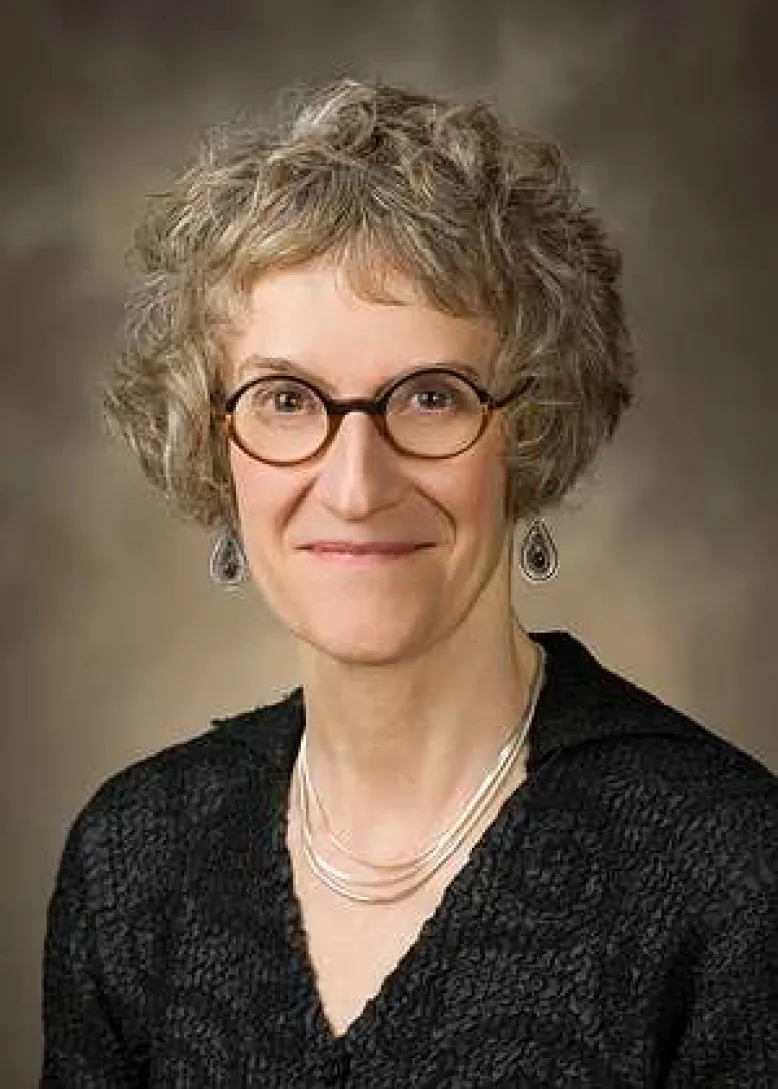
Julie Cruikshank
Fellow
Current Employer
The University of British Columbia
Election Year
2010
Academy
Academy of Social Sciences
Discipline
Anthropology / Archaeology
Department
Anthropology
Keywords
Anthropology, oral tradition, subarctic, environmental studies
Cruikshank, Julie - Anthropology - University of British Columbia
Julie Cruikshank is an international leader in subarctic anthropology, particularly the living traditions of oral literature and storytelling in the Yukon Territory. Her publications trace the interplay between indigenous knowledge and narrative forms with experiences of landscape, colonialism, societal change and especially how differing cultural groups ‘‘know’’ the natural world and their own agency.
------------------
Cruikshank, Julie - Anthropology - University of British Columbia
Julie Cruikshank is an international leader in the anthropology of sub-Arctic peoples, particularly the living traditions of oral literature and storytelling. Her ethnographic experience is rooted in the Yukon where she lived for many years recording life and traditional stories of Athapaskan and Tlingit elders, particularly women. Her acclaimed publications sensitively trace the interplay between indigenous knowledge and narrative forms and experiences of landscapes, colonialism, and societal change. Her work has recovered aspects of indigenous history neglected in standard texts. She does so by raising fundamental questions of how differing cultural groups “know” the natural world and their own agency.