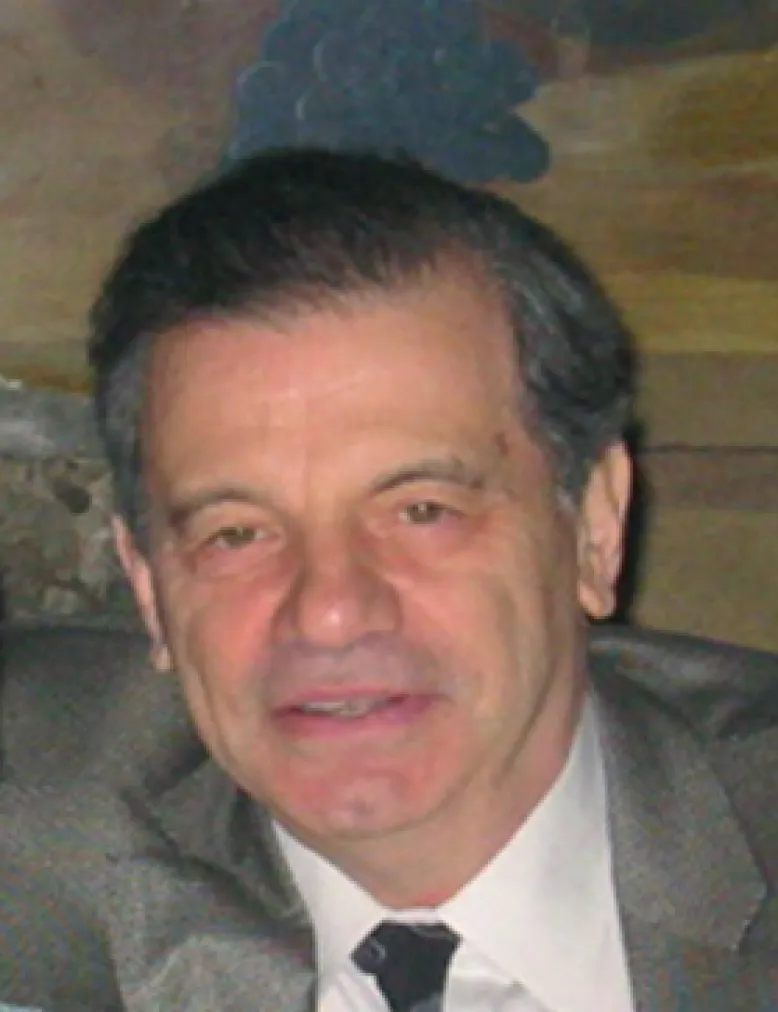
Dr. Barry Posner
Fellow
Current Employer
McGill University
Election Year
1991
Academy
Academy of Science
Discipline
Medical Sciences
Department
Department of Medicine
Keywords
Endocrine, diabetes, insulin, cell signalling, pituitary
Dr. Barry Posner has published some 290 papers and has established a national and international reputation for his research on receptors and growth factors especially the regulation and functions of the insulin receptor kinase (IRK). His first contribution was the finding of insulin receptors in "nontarget" tissues such as placenta which led to a new and more general way of defining hormone target tissues. In demonstrating that prolactin induces its own receptor he was one of the first to show regulation of receptor by ligand. Subsequently he found that ligands both up-and down-regulate their receptors depending on ligand concentration and duration of exposure. He showed that polypeptide hormone receptors were enriched in Golgi elements consistent with their role as precursors for the plasma membrane receptors. He went on to demonstrate internalization of ligand-receptor complexes to structures which he and his colleagues named endosomes and showed that such complexes were involved in signal transduction within the cell. Thus the paradigm that signaling occurred exclusively at the cell surface was changed to include a substantial other cellular compartment - the endosomal system. He and his colleagues discovered that insulin clearance began in endosomes by the action of an insulin specific protease, the physiological enzyme for degrading cellular insulin. In addition he demonstrated the existence of an IRK-associated phosphotyrosine phosphatase (PTP) a key regulator of IRK function. Using peroxovanadium agents he and his colleagues showed that inhibiting this PTP provoked IRK-mediated insulin signaling in the complete absence of insulin. This established the basis for the development of a new class of insulin mimickers which might eventually replace insulin in the treatment of Diabetes. Finally he has studied insulin -like growth factors and found that they may negatively feed-back on pituitary growth hormone secretion; and has demonstrated that peptide hormone receptors are in brain, particularly in the circumventricular organs through which they transmit centripetal signals to deeper neuronal structures.