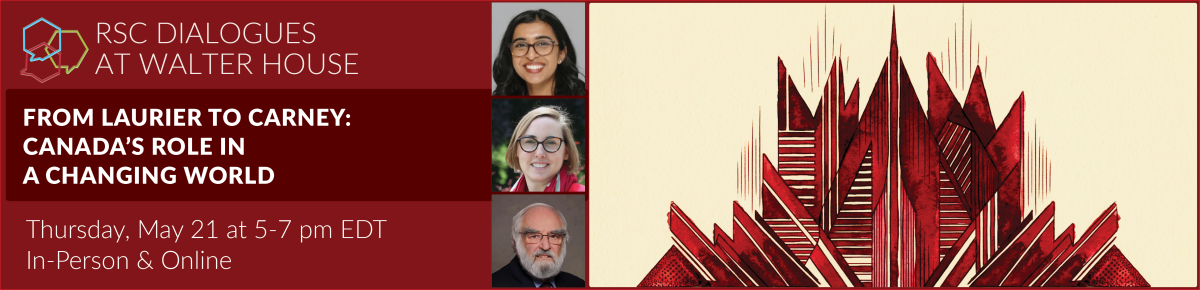
The Royal Society of Canada is thrilled to present the second installment of the RSC Dialogues @ Walter House series on Canada’s Role in a Changing World.
Join us for a timely conversation about Canada’s role on the world stage — past, present, and future. From Laurier’s bold vision over a century ago to the challenges of 2026, this event examines how Canada can navigate today’s turbulent global landscape while championing freedom and democracy in a resilient international order.
Speaking at Massey Hall in Toronto on October 14, 1904, Prime Minister Wilfrid Laurier declared that the twentieth century would be “the century of Canada and of Canadian development,”and expressed the hope that “Canada would be the star towards which all … who love progress and freedom would come.” Indeed, over the course of the twentieth century, Canada would help to advance liberty and progress through its significant contributions to the creation and maintenance of a liberal global order.
Fast forward to 2026: speaking at the World Economic Forum in Davos, Prime Minister Mark Carney highlighted not only the erosion of the liberal international order but also the rise of neo-imperialism and authoritarian tendencies in the early twenty-first century. He argued that middle powers like Canada should deal with the rupture in the contemporary global order by strategically uniting to uphold the principles of freedom and global cooperation.
Don’t miss this timely conversation as part of the RSC Dialogues at Walter House event series. Join us in-person or online. This event is free, bilingual, and open to the public.
Following the presentation we will complete the cinq-à-sept with an invitation to meet the speakers and enjoy light snacks.
Moderator
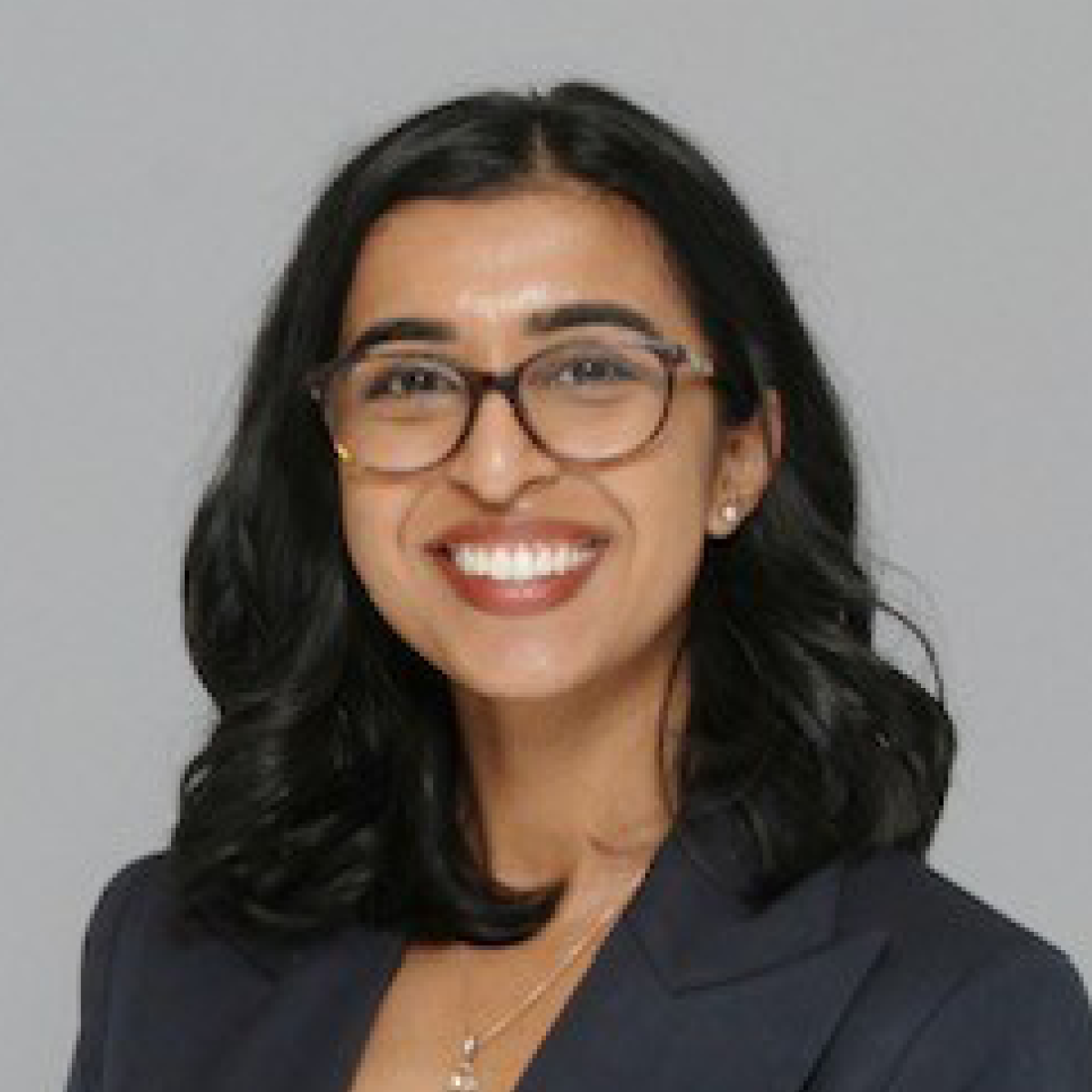 Aliyah Datoo is a PhD student in Political Studies with a focus on Canadian politics at the University of Ottawa. Originally from British Columbia, her trajectory has notably been influenced by her work in la francophonie within the region. Her research interests lie in language politics, community development, and multi-level governance.
Speakers
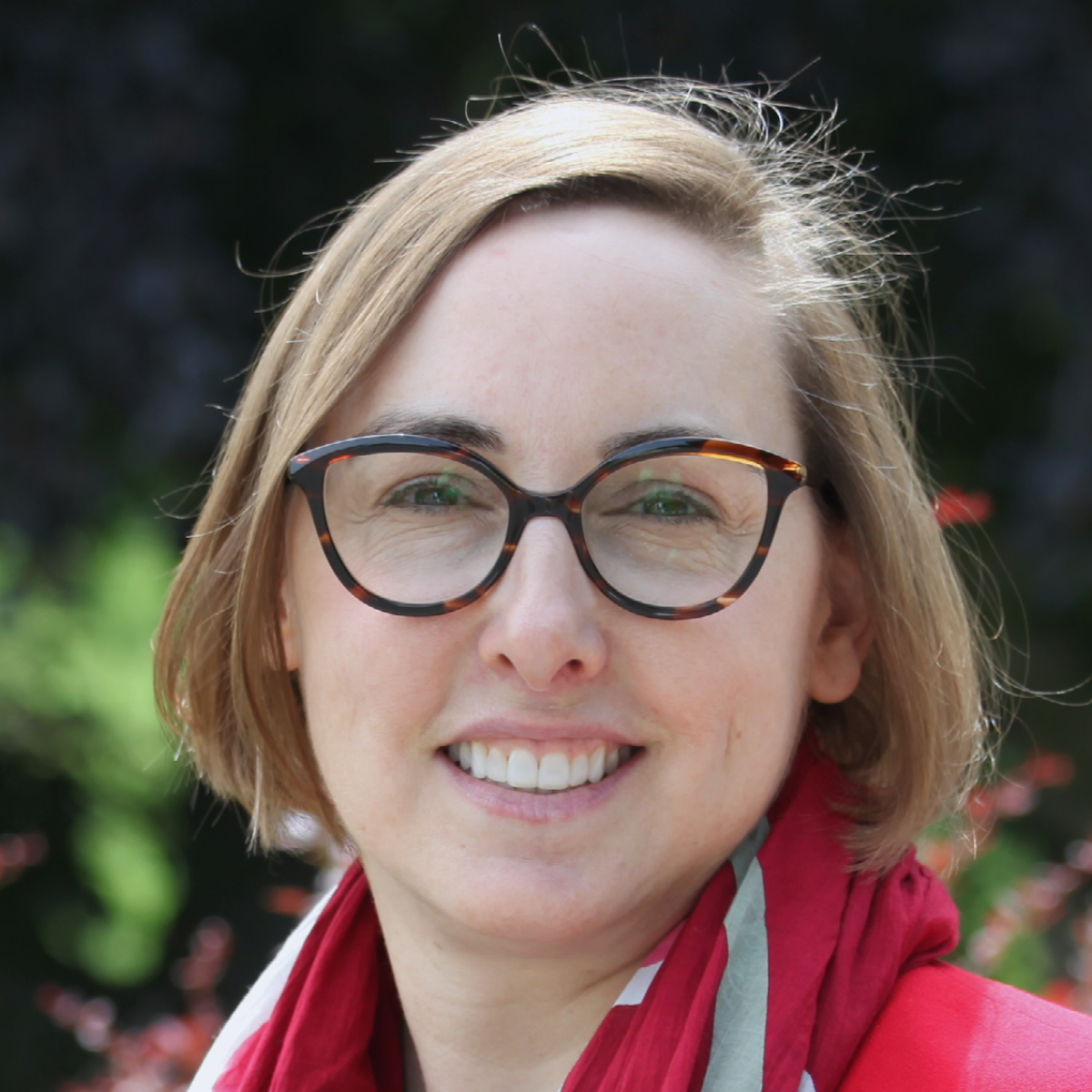 Mireille Lalancette, RSC College, is Full Professor of Political Communication at Université du Québec à Trois-Rivières (UQTR). She is a member of the Royal Society of Canada's College of New Researchers Artists and Scientists. She is co-titular (with Éric Bélanger) of the Quebec research Chair on democracy, common values and living together. She is also a principal investigator of the Groupe de recherche en communication politique (GRCP), the Center for the Study of Democratic Citizenship (CSDC) and also co-researcher at the UQTR Jarislowsky Chair for Trust and Political Leadership. She has published about leadership and gender in various journals in French and English.
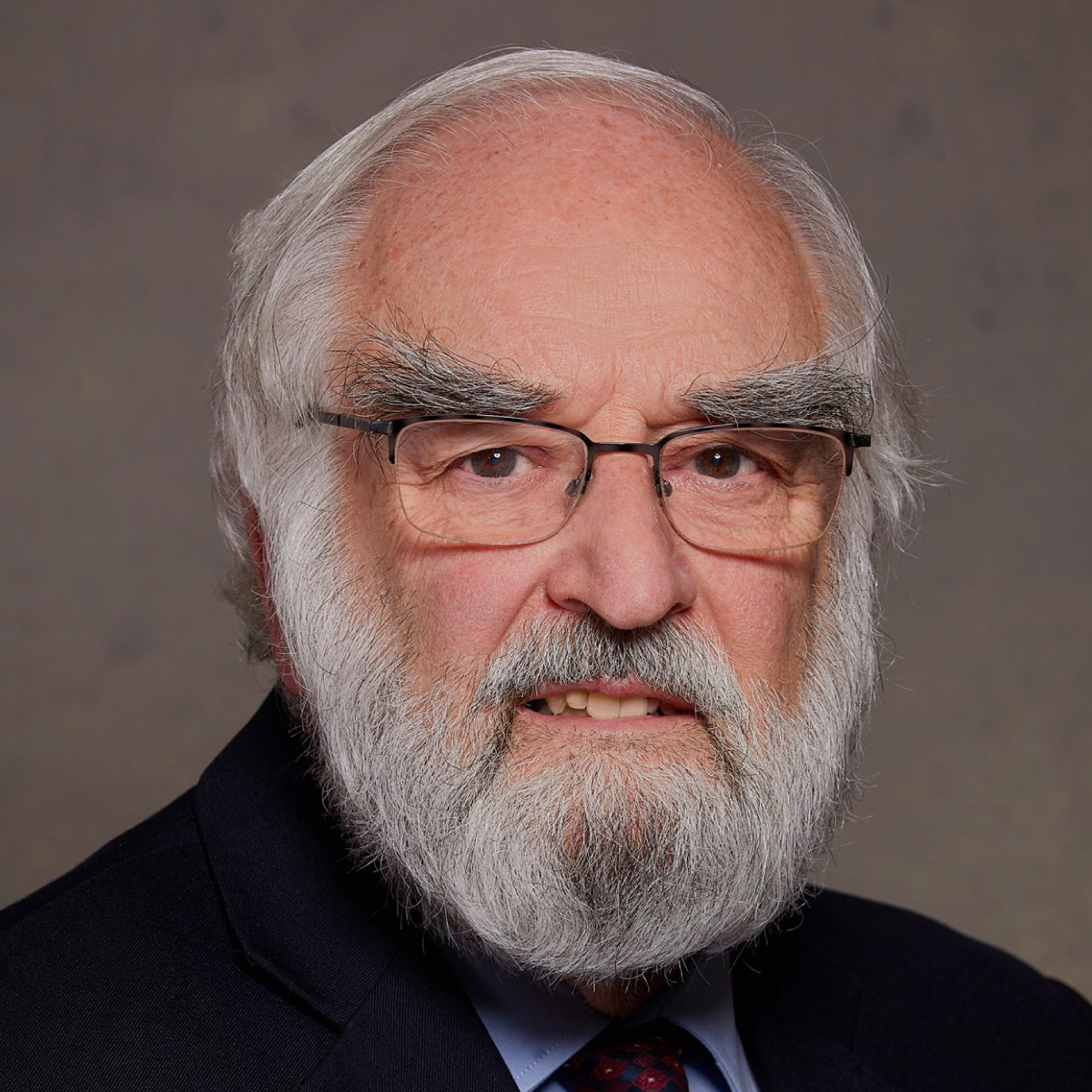 Kim Richard Nossal, FRSC, is a professor emeritus of political studies in the Centre for International and Defence Policy at Queen’s University. He is the author of a number of works on Canadian foreign and defence policy and Canadian-American relations. His most recent book is Canada Alone: Navigating the Post-American World, published by Dundurn Press in 2023.