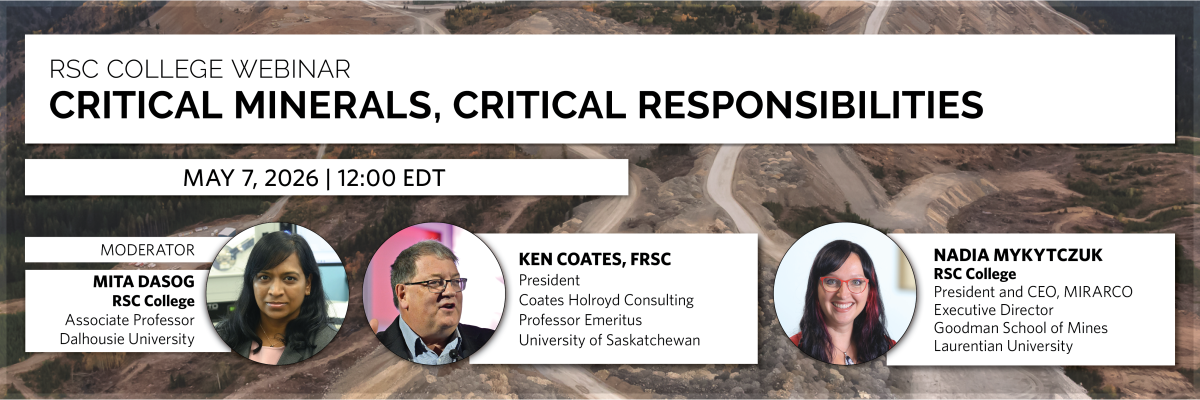
The RSC College Webinar on “Critical Minerals, Critical Responsibilities” brings together leading voices from research and public policy to explore how sustainable and equitable practices can be advanced within the mining sector. As global demand for critical minerals continues to grow, mining communities, governments, and industry face complex challenges related to environmental stewardship, Indigenous rights, economic inclusion, and the long-term wellbeing of ecosystems and people. The renewed urgency around mineral development makes it especially important that we do not repeat the environmental harms, governance failures, and community injustices that have too often characterized extractive industries in the past. This webinar will feature Dr. Nadia Mykytczuk, President and CEO of MIRARCO (Mining Innovation, Rehabilitation and Applied Research Corporation), Executive director of the Goodman School of Mines, Laurentian University, and a member of the RSC College, whose work focuses on innovative scientific approaches to mine waste valorization and environmental remediation, and Dr. Ken Coates, Professor Emeritus, President of Coates Holroyd Consulting, and Canada Research Chair in Regional Innovation, known for his scholarship on Indigenous rights, northern development, and resource governance.
Through short presentations followed by a moderated discussion and audience Q&A, the speakers will examine how science, thoughtful policy, and meaningful Indigenous engagement can contribute to more responsible and inclusive mining practices. Participants will gain insight into emerging frameworks that aim to align mineral development with ecological sustainability, community well-being, and long-term accountability. By reflecting on lessons from past mining practices while considering current global pressures, the webinar seeks to foster dialogue on how Canada can lead in developing critical minerals responsibly and ethically.
Speakers
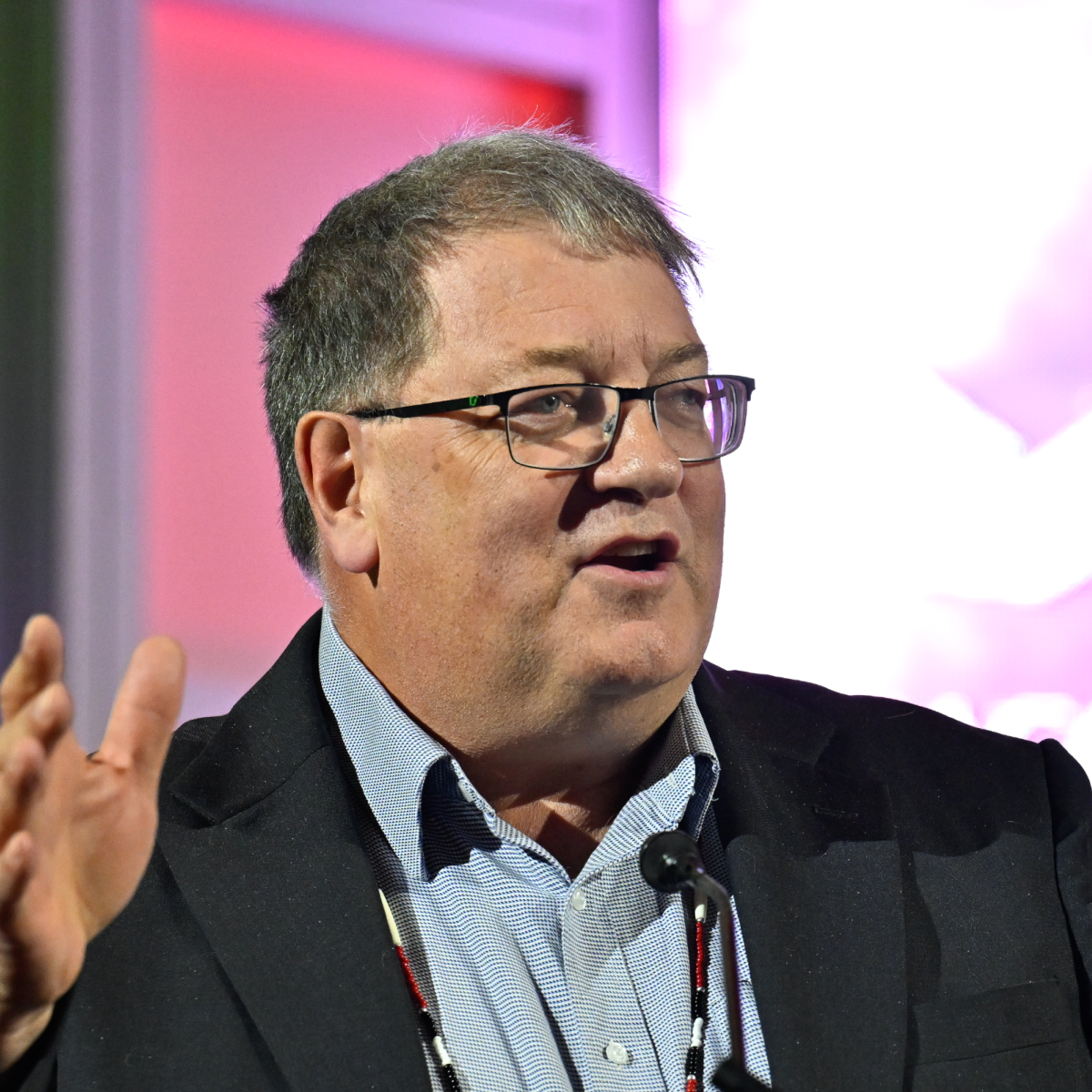 Ken S. Coates, FRSC, is the President of Coates Holroyd Consulting, a research firm working primarily on Indigenous and rural development, Indigenous history and Indigenous rights. Ken is currently a Distinguished Professor Emeritus at the Johnson Shoyama Graduate School of Public Policy, University of Saskatchewan, and was the Director of the Indigenous Program at the Macdonald Laurier Institute. He has worked and studied across Canada and around the world, examining the history of Indigenous-newcomer relations, contemporary Indigenous rights and Indigenous economic re-empowerment. Among his publications is Treaty Peoples to Treaty Nations (with Greg Poelzer) with UBC Press.
Northern Ontario-based environmental mic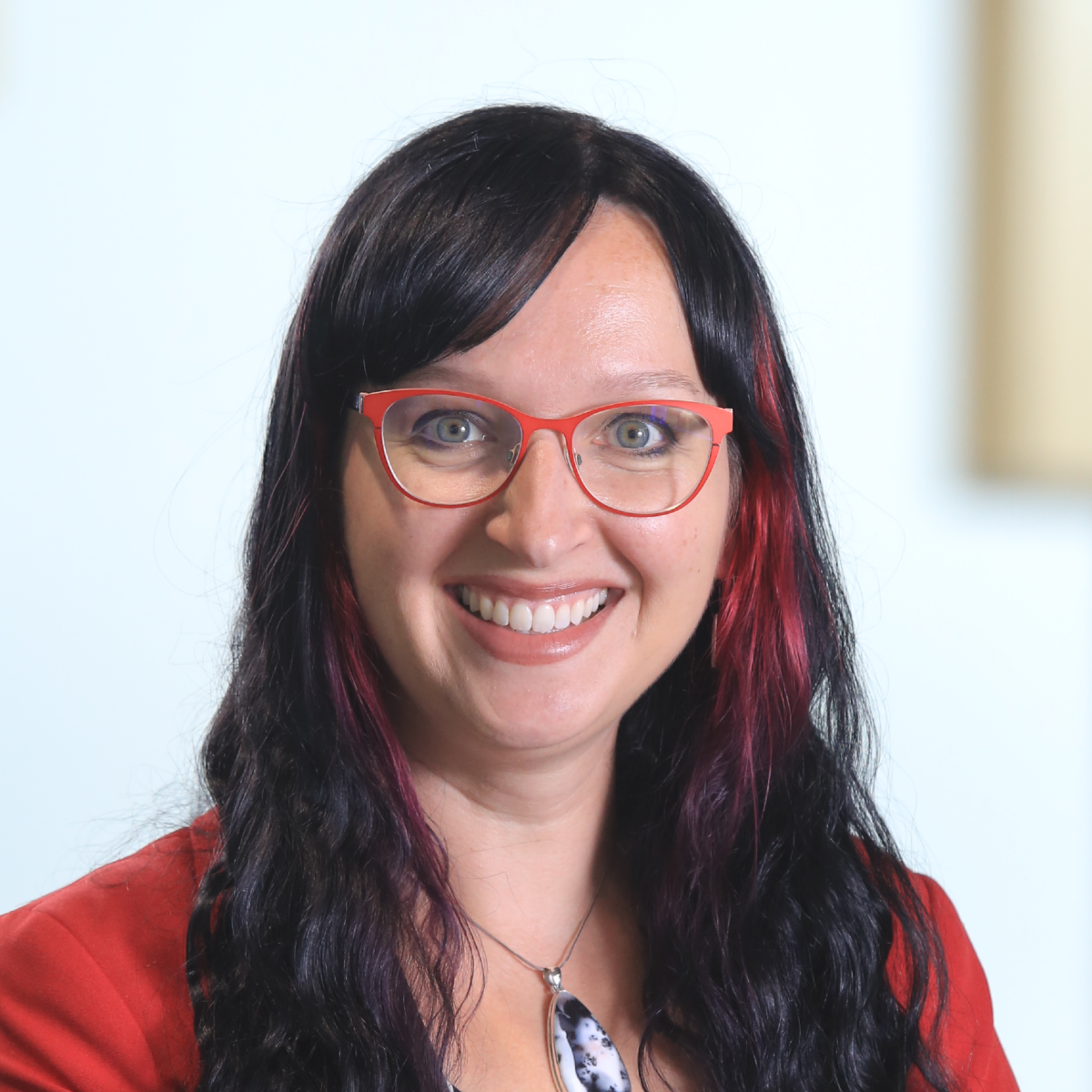 robiologist Nadia Mykytczuk, RSC College, President and CEO of MIRARCO (Mining Innovation, Rehabilitation and Applied Research Corporation), Executive director of the Goodman School of Mines, Laurentian University. She is an awardwinning expert on bioleaching and mine remediation. Utilizing aspects of microbiology and biotechnology, she studies microbial communities in extreme or disturbed habitats, their adaptability to stressors, and how their abilities can be harnessed to extract value from mine wastes and improve our environment. Working across sectors and disciplines, she advances biotechnology to deliver sustainable mining practices, enabling our transition to global clean energy.
Moderator
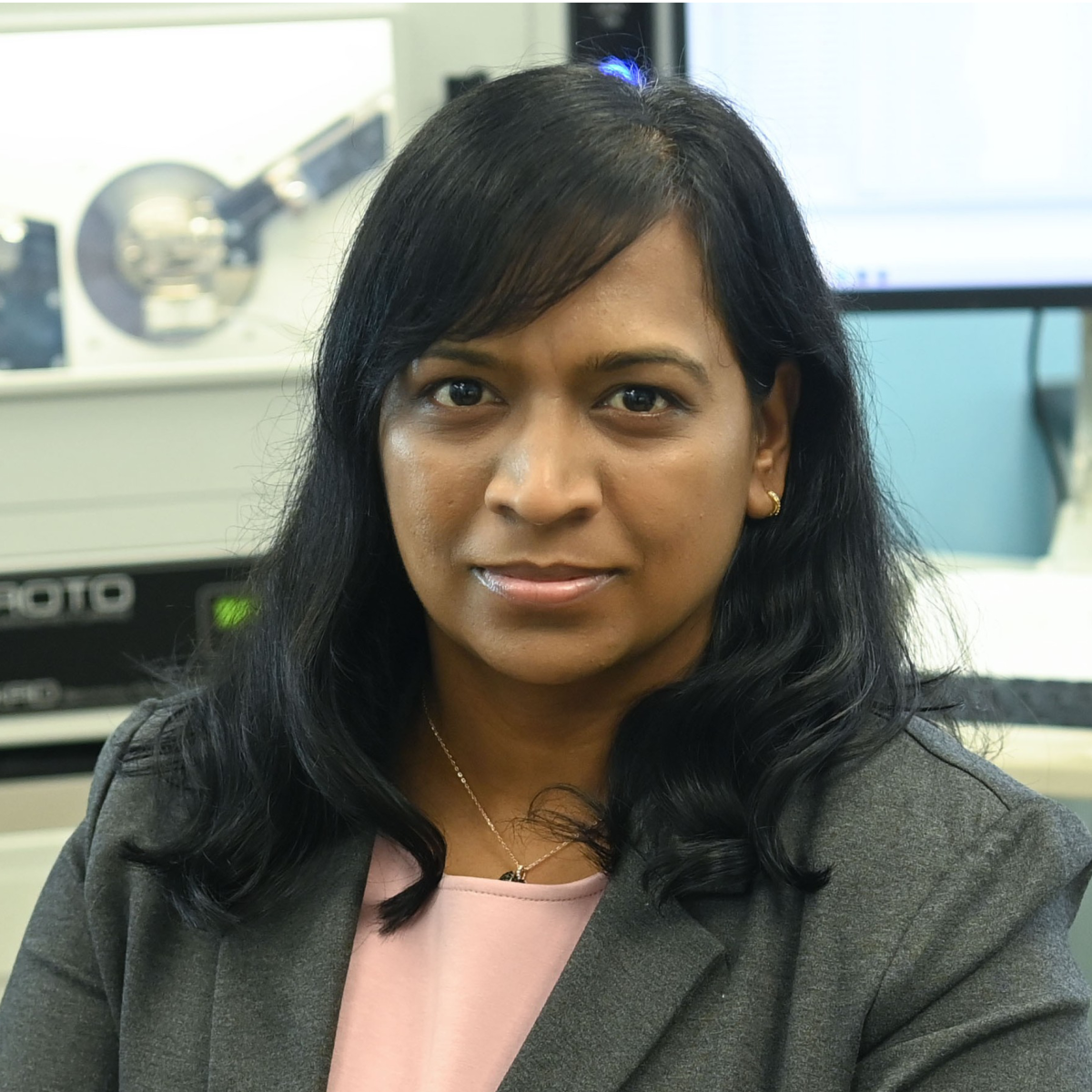 Mita Dasog (she/her), RSC College, She is an Associate Professor and Tier 1 Canada Research Chair at Dalhousie University. Her team develops catalytic and plasmonic nanomaterials for sustainable fuel production, water purification, and passive mining, all powered by sunlight. Her work integrates green chemistry, materials science, and environmental engineering to advance renewable energy and circular economy solutions.
RSC College Webinar Series
The College of New Scholars, Artists, and Scientists of the Royal Society of Canada is committed to facilitating engagement amongst its membership as well as with the Royal Society of Canada and the public. In order to facilitate engagement and to showcase the expertise that is resident amongst our College members, the RSC College Webinar Series will be hosted by the Royal Society of Canada three/four times annually. This webinar series will be managed by the College executive on the advice of College Council and supported by Walter House.