

You are here
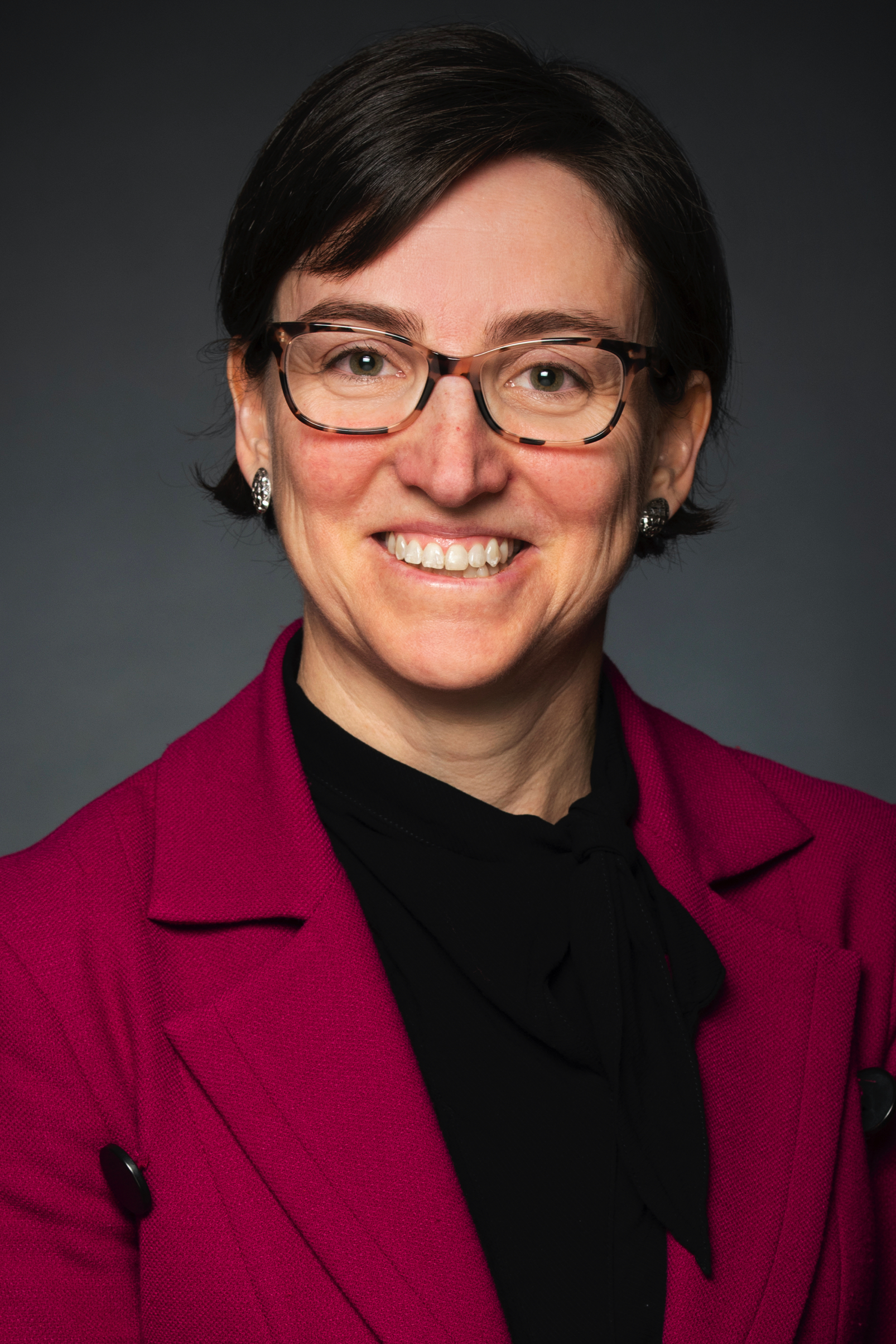
Prof. Marie-Eve Sylvestre
RSC College Member
Affiliation: University of Ottawa
Keywords: Criminal law; socio-legal studies; law and poverty; regulation of public spaces
Induction Year: 2018
Marie-Eve Sylvestre is one of Canada’s leading thinkers on the criminalization of poverty and the regulation of conflicts related to urban public spaces and those who use them, including the homeless, street-based drug users and sex workers, and political demonstrators. An elected member of the Global Young Academy, her work is interdisciplinary, building on an alliance between law, criminology and geography. She is a pioneer in exposing invisible practices of discrimination against Indigenous people and marginalized populations in the criminal justice system and in promoting alternatives to criminalization.
Marie-Eve Sylvestre est reconnue pour ses travaux de recherche sur la criminalisation de la pauvreté et la régulation des conflits liés aux espaces urbains et à ceux qui les utilisent, dont les personnes en situation d’itinérance, les usagers de drogue et les travailleurs du sexe de rue, et les manifestants. Membre élue de la Global Young Academy, sa recherche est interdisciplinaire, misant sur une alliance entre le droit, la criminologie et la géographie. Ses travaux ont contribué à exposer certaines pratiques discriminatoires à l’encontre des Autochtones et des personnes marginalisées dans le système de justice pénale ainsi qu’à promouvoir des mesures de rechange à la judiciarisation.
Prof. Christine Sypnowich
RSC Fellow, Academy of the Arts and Humanities
Affiliation: Queen's University
Induction Year: 2022
Professor Christine Sypnowich is an internationally renowned scholar who uses an interdisciplinary approach — spanning philosophy, law, politics, education, urban planning, and local history — to make a significant impact on political and legal philosophy. Her research revolves around the central tenet that philosophy should illuminate vexing questions of justice and equality, enhance self-understanding, and further human flourishing. Sypnowich’s background in heritage activism bolsters her commitment to the relevance of political philosophy for public debate.
La professeure Christine Sypnowich est une chercheuse de renommée internationale qui utilise une approche interdisciplinaire – conjuguant la philosophie, le droit, la politique, l’éducation, l’urbanisme et l’histoire locale – pour exercer une influence importante sur la philosophie politique et juridique. Ses recherches s’articulent autour du principe central selon lequel la philosophie doit éclairer les questions épineuses de justice et d’égalité, améliorer la compréhension de soi et favoriser l’épanouissement humain. Sa formation en activism pour le patrimoine renforce son engagement à faire valoir la pertinence de la philosophie politique pour le débat public.
Dr. George Szanto
RSC Fellow, Academy of the Arts and Humanities
Affiliation: McGill University
Keywords: Fiction writing
George Szanto, born 1940, Ph.D. Harvard University, 1967, has taught English, French, German, Comparative Literature, Communications in United States and, since 1974, at McGill University. His present work in its several forms is centered around narrative and cultural change. He is the author of three major critical books, "Narrative Consciousness", 1972 (an MLA Scholar's Library Selection), "Theater and Propaganda", 1978, and "Narrative Taste and Social Perspective: The Matter of Quality", 1986; of two collection of short stories, "Sixteen Ways to Skin a Cat", 1978, and "Duets" (with Per Brask), 1991, and three novels, "Not Working", 1983, "The underside of Stones, 1990, "Friends and Marriages", 1995, and "The Condesa of M.", 2001; and of nine produced plays of which four are published.
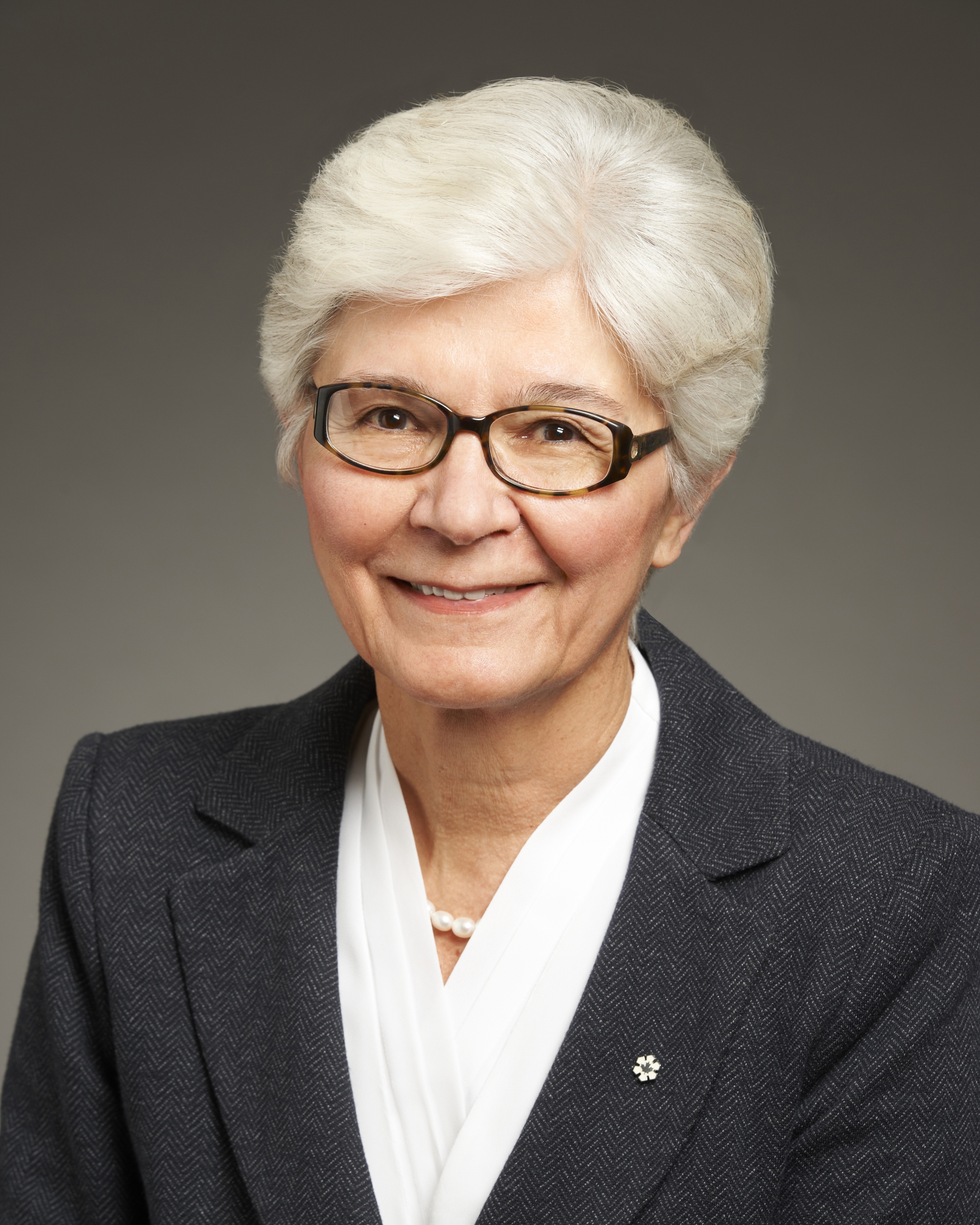
Dr. Emőke Szathmáry
RSC Fellow, Academy of Social Sciences
Affiliation: University of Manitoba
Keywords: Biological anthropology, population genetics, subarctic, arctic
LONG CITATION
Emőke Szathmáry is a physical anthropologist known internationally for her pioneering research on the genetics of indigenous people of the arctic and subarctic. Her multidisciplinary work focuses on examination of genetic diversity through linguistic, ethnological, and archaeological contexts, and on the etiology of type-2 diabetes. She was the first to use genetic data to test theories about the origin of arctic and subarctic North Americans. Her research on the cause of type-2 diabetes provides an essential baseline for future research about the factors involved in diabetes onset. Since 1996 she has been President of the University of Manitoba.
SHORT CITATION
Emőke Szathmáry is a physical anthropologist known internationally for her pioneering research on the genetics of indigenous people of the arctic and subarctic. She was the first to use genetic data to test theories about the origin of arctic and subarctic North Americans, and her research on the cause of type-2 diabetes provides an essential baseline for future research about the factors involved in diabetes onset.
Prof. Peter Szatmari
RSC Fellow, Academy of Sciences
Affiliation: Hospital for Sick Children
Induction Year: 2021
Peter Szatmari is a clinician-scientist in child and youth mental health. His work has made significant contributions to understanding the clinical epidemiology of mental disorders in the pediatric population and the natural history and genetic basis of autism spectrum disorder. His innovative and internationally recognized research program of clinical trials in youth depression seeks to transform the lives of children and youth struggling with common mental disorders.
Peter Szatmari est clinicien-chercheur en santé mentale des enfants et des jeunes. Ses travaux contribuent grandement à élucider l’épidémiologie clinique de troubles mentaux au sein de la population infantile ainsi que l’histoire naturelle et le fondement génétique du trouble du spectre de l’autisme. Son programme de recherche novateur et reconnu à l’échelle internationale, mené au moyen d’essais cliniques sur la dépression chez les jeunes, vise à transformer la vie des enfants et des jeunes aux prises avec des troubles de santé mentale courants.
Prof. Imre Szeman
RSC Fellow, Academy of the Arts and Humanities
Affiliation: University of Toronto at Scarborough
Induction Year: 2020
Imre Szeman is an internationally-acclaimed cultural theorist. His landmark research establishes the shaping influence of fossil-fuel dependency on modern society. Szeman’s work propelled a new discipline—‘energy humanities’—which grapples with the cultural transformations required for a global shift to sustainable and renewable forms of energy. A highly collaborative, interdisciplinary and public-facing scholar, he is the co-founder of the Petrocultures Research Group and numerous initiatives advocating for energy transition.
Imre Szeman est un théoricien de la culture reconnu à l’échelle internationale. Ses recherches novatrices portent sur l’influence de la dépendance aux énergies fossiles des sociétés modernes. Son travail multidimensionnel a mené au développement d’un nouveau domaine d’études, les « humanités énergétiques », qui traite des transformations culturelles nécessaires pour une transition vers des formes d’énergie durables et renouvelables. Imre Szeman est un chercheur collaboratif et interdisciplinaire axé sur le public. Il est le co-fondateur du Petrocultures Research Group et de nombreuses autres initiatives qui favorisent la transition énergétique.
Dr. Moshe Szyf
RSC Fellow, Academy of Sciences
Affiliation: McGill University
Induction Year: 2013
Moshe Szyf has been a pioneer in the field of DNA methylation for the last three decades and was the first to propose a role for DNA methylation in human disease leading to new therapeutics and diagnostics. He pioneered the idea that the chemical coating of DNA (DNA methylation) links experience “nurture” and our genes “nature”, building a bridge over the fissure between the social and biological sciences.
Chercheur dans le domaine de la méthylation de l’ADN depuis trente ans, Moshe Szyf a été le premier à postuler que la méthylation de l’ADN joue un rôle dans les maladies humaines, ce qui a mené au développement de nouvelles thérapies et de nouvelles méthodes de diagnostic. Il a été le premier à proposer l’idée que la formation d’une pellicule chimique enveloppant l’ADN, ce qu’on appelle la méthylation de l’ADN, agit comme un patron qui conditionne l’expression des gènes dans chaque cellule, phénomène de nature à rapprocher les sciences sociales et les sciences biologiques.
Mr. Normand Séguin
RSC Fellow, Academy of the Arts and Humanities
Affiliation: Université du Québec à Trois-Rivières
Keywords: Histoire du Québec, XIXe et XXe siècles, socioéconomie, rapport à l'espace
Normand Séguin, professeur titulaire au Centre d'études québécoises de l'Université du Québec à Trois-Rivières, est un spécialiste de l'histoire rurale et régionale québécoise du XIXe siècle. Il a publié, seulou avec d'autres, six livres, vingt-quatre articles et produit des vidéos, des dossiers statistiques et cartographiques.
Ses recherches ont renouvelé le champ de l'histoire régionale et rurale; par I'étude du quotidien, des réseaux de relation, des structures économiques et des représentations mythiques, il a cerné les
cohérences d'une société en mouvement. Son apport est aussi important dans l'étude de la colonisation et l'analyse des rapports entre l'agriculture et la forêt.
Ses travaux lui ont valu les prix Lionel Groulx et Guy Frégault, ainsi qu'un certificat de la Société historique du Canada pour sa contribution à l'histoire régionale.
Par ailleurs, soulignons son implication dans l'encadrement de la recherche : que ce soit dans les
organismes professionnels (IHAF, ACFAS, INRS), à l'UQTR, où il a été l'artisan principal de la mise sur pied du Centre de recherches sur le Québec, ou au Fonds FCAR, où il a présidé de nombreux comités, dont celui sur la réforme du programme « Équipes », son action a été primordiale dans ce domaine et a profité à la collectivité.
Mr. Robert Sévigny
RSC Fellow, Academy of Social Sciences
Affiliation: Université de Montréal
Keywords: Sociologie clinique, psychosociologie, santé mental
ROBERT SEVIGNY, professeur titulaire de sociologie à I'Université de Montréal, est maître en psychologie de I'Université de Montréal et docteur en sociologie de I'Université Laval. Par ses recherches, son enseignement, ses écrits et ses interventions cliniques en dynamique de groupe et dans I'analyse du social, Robert Sévigny occupe une place d'autorité en psychologie sociale et en sociologie. La publication de « Devenir sociologue, Le Québec en héritage », « L'internation en santé mentale », « Santé mentale et processus sociaux » montre que ses préoccupations se situent à la rencontre de I'individuel et du collectif et I'amène à traiter de I'actualisation de soi et de I'aliénation puis à utiliser la santé mentale et son traitement comme révélateurs des institutions de notre société.
Prof. Vincent Tabard-Cossa
RSC College Member
Affiliation: University of Ottawa
Keywords: Biological physics; nanoscience; nanofluidics; biotechnologies
Induction Year: 2019
Vincent Tabard-Cossa is a biophysicist dedicated to developing novel techniques and advanced nanofluidic devices to characterize single-molecules, to unraveling the physics governing the behaviour of biological molecules, and ultimately to translating these discoveries into new technologies for the health sciences. He is well known for the pioneering of a simple, yet remarkably precise nanofabrication technique for making nanopores, which is helping to democratize nanopore-based research.
Vincent Tabard-Cossa est un biophysicien qui vise à développer de nouvelles techniques et des outils à l’échelle nanométrique pour caractériser des molécules individuelles, détricoter les lois physiques régissant le comportement des molécules biologiques, et traduire ces découvertes en nouvelles technologies applicables en sciences de la santé. Il est reconnu pour avoir inventé une technique de fabrication de nanopores simple et ultra précise, aidant à démocratiser les recherches à base de nanopores.
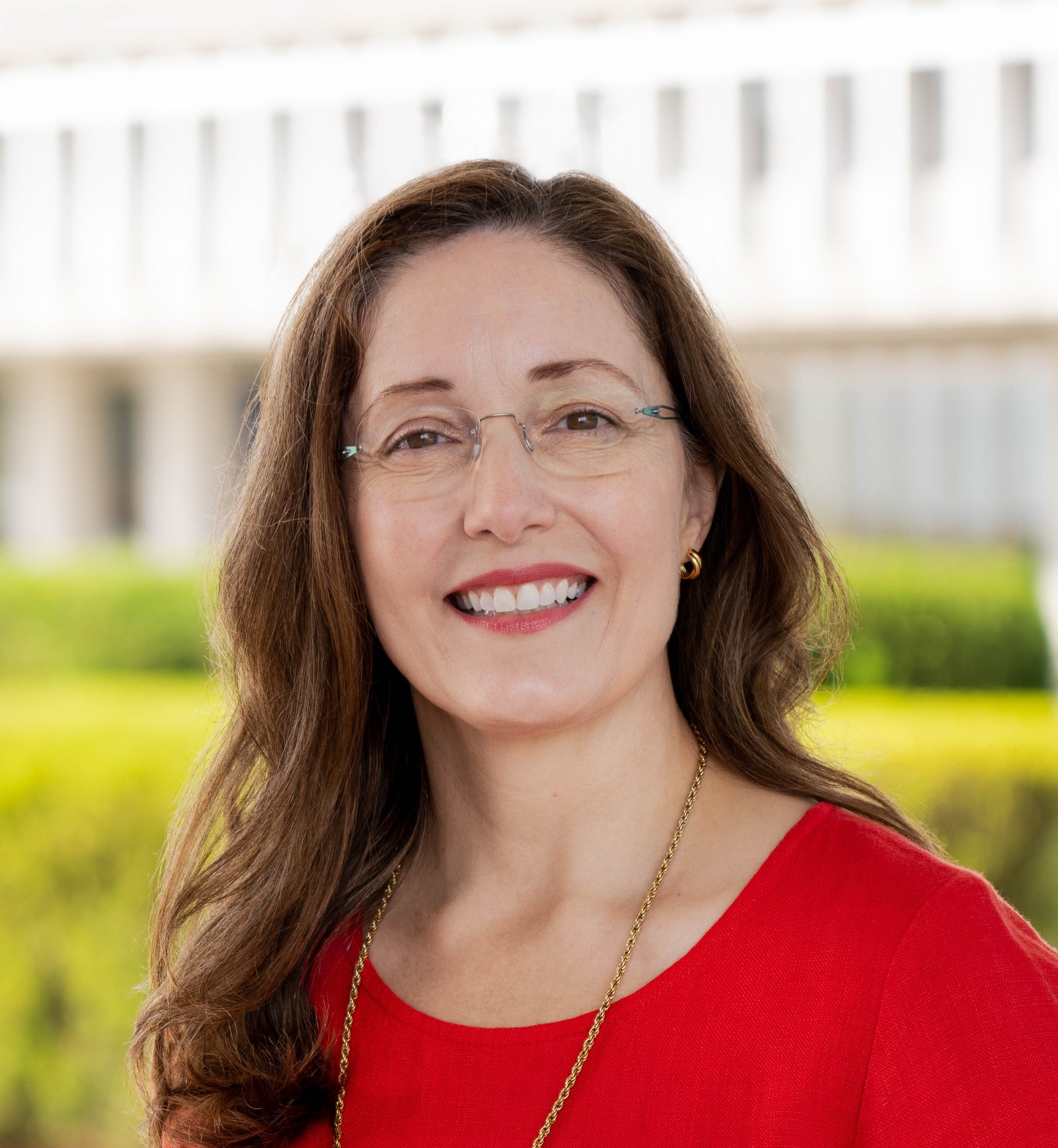
Prof. Maite Taboada
RSC Fellow, Academy of the Arts and Humanities
Affiliation: Simon Fraser University
Induction Year: 2022
Dr. Maite Taboada is Distinguished SFU Professor in the Department of Linguistics and Director of the Discourse Processing Lab at Simon Fraser University (SFU). Professor Taboada’s research combines insights from discourse analysis and computational linguistics to investigate and confront pressing societal issues. She has transformed the way information is understood and disseminated, developing tools to classify online comments and identify misinformation, and drawing attention to gender representation in the media.
Maite Taboada est professeure distinguée au Département de linguistique et directrice du Discourse Processing Lab à l’Université Simon Fraser (SFU). Ses recherches misent sur les éclairages fournis par l’analyse du discours et la linguistique informatique pour étudier et aborder les problèmes sociétaux urgents. Elle a transformé la façon dont l’information est comprise et diffusée en mettant au point des outils pour classer les commentaires en ligne et mettre au jour la désinformation, ainsi qu’en attirant l’attention sur la représentation des genres dans les médias.
Mme Maryam Tabrizian
RSC Fellow, Academy of Sciences
Affiliation: McGill University
Keywords: Biomaterials, Biointerfaces, Biorecognition, regenerative medicine, Nanomedicine, Biomedical Engineering
Induction Year: 2017
TABRIZIAN, Maryam - Biomedical Engineering, McGill University
M. Tabrizian has pioneered many concepts in the field biomaterials and biointerfaces to promote the interactions and crosstalk between alive and artificial systems. This resulted in shifting the paradigm and many acclaimed publications. Of great significance are her approaches to Layer-by-Layer self-assembly of biopolymers on live cells and tissues along with inventive microfluidic platforms that she developed in her laboratory to investigate this phenomenon at the single cell level.
Maryam Tabrizian est pionnière dans plusieurs concepts qui concernent les biomatériaux et les biointerface dont l’objectif est d’améliorer les interactions entre les systèmes vivants et artificiels. Ceci a permis de changer le paradigme démontré dans ses publications acclamées par la communauté scientifique. Les plus remarquables sont ses travaux d’autoassemblage couche par couche sur les cellules vivantes et les plateformes microfluidiques innovantes qui permettent d’étudier plusieurs phénomènes biologiques en temps réal.
Dr. Sali A. Tagliamonte
RSC Fellow, Academy of the Arts and Humanities
Affiliation: University of Toronto
Induction Year: 2013
Sali Tagliamonte’s rich and unique array of firsthand studies of language variation and change has played a major role in advancing the theory and techniques of Sociolinguistics worldwide. Her analyses of African-American varieties, British, Northern Irish and Canadian dialects, as well as child, teen, television, and internet language have galvanized a new generation of scholars. She is also the author of acclaimed monographs in Sociolinguistic research and methodology.
Auteures originale et prolifique, Sali Tagliamonte a fait porter ses recherches sur les variantes et les modifications linguistiques. Elle a apporté une contribution majeure à la théorie et aux techniques de recherche en sociolinguistique. Ses travaux sont axés sur les variétés d’afro-américain et les dialectes de Grande-Bretagne, d’Irlande du Nord et du Canada. Ils ont porté aussi sur le langage des enfants, celui des adolescents et sur la langue utilisée dans Internet. Auteure de remarquables monographies dans le domaine de la méthodologie et de la recherche en sociolinguistique, Sali Tagliamonbte, qui jouit d’un rayonnement international, a inspiré toute une nouvelle génération de chercheurs.
Prof. Lee-Hwa Tai
RSC College Member
Affiliation: Université de Sherbrooke
Keywords: Biologie cellulaire, cancer, immunothérapie, immunologie
Induction Year: 2025
Lee-Hwa Tai is Full Professor in the Department of Immunology and Cell Biology of the Université de Sherbrooke and Director of Cancer Research in the Centre de RechercheCHUS. Professor Tai spearheads transformative cancer immunology research, developing translational models for viro-immunotherapy and innovative cancer vaccines. Committed to meeting the challenges of treating refractory cancers, Professor Tai’s advocacy initiatives drive patient-centric advances in cancer research, fostering hope for improved therapeutic outcomes.
Lee-Hwa Tai est professeur titulaire au Département d’immunologie et de biologie cellulaire de l’Université de Sherbrooke et directeur de la recherche sur le cancer au Centre de recherche du CHUS. Il se maintient à la fine pointe de la recherche transformatrice en immunologie du cancer, développant des modèles translationnels pour la viro-immunothérapie et des vaccins innovants contre le cancer. Résolu à relever les défis liés au traitement des cancers réfractaires, le professeur Tai mène des initiatives de plaidoyer qui visent à favoriser la réalisation d’avancées axées sur les patients dans le domaine de la recherche sur le cancer, donnant ainsi aux patients la possibilité d’espérer de meilleurs résultats thérapeutiques.
Prof. Louis Taillefer
RSC Fellow, Academy of Sciences
Affiliation: Université de Sherbrooke
Keywords: Matériaux quantiques, supraconductivité
Induction Year: 2009
Long Citation
Louis Taillefer is internationally renowned for innovative experimental research on new states of matter. He pioneered the use of heat transport at ultra-low temperatures to determine the symmetry of the superconducting state, probe critical behaviour at quantum phase transitions, and elucidate the nature of excited states in magnetic insulators. He was the first to directly measure the giant electron masses of f-electron materials. He discovered the first instance of multi-component superconductivity and the first violation of the Wiedemann-Franz law - the physical law that determines the universal ratio of charge and heat conductivities of a metal at absolute zero.
Short Citation
Louis Taillefer is internationally renowned for innovative experimental research on new states of matter. He pioneered the use of heat transport at ultra-low temperatures to determine the symmetry of the superconducting state, probe critical behaviour at quantum phase transitions, and elucidate the nature of excited states in magnetic insulators. He was the first to directly measure the giant electron masses of f-electron materials.
Prof. Victoria Talwar
RSC Fellow, Academy of Social Sciences
Affiliation: McGill University
Keywords: honesty, lie-telling, social cognition, child witness reports, moral development
Induction Year: 2023
Victoria Talwar’s innovative interdisciplinary research on children’s verbal deception and child witness issues has contributed to a new area of research examining the developmental trajectories and factors affecting children’s honesty. Her research informs current debates about children’s cognitive and social development as well as the universality of moral development, has important legal implications and has contributed to legal reform in Canada.
Victoria Talwar a effectué des recherches interdisciplinaires innovantes sur la tromperie verbale et les problèmes des enfants-témoins. Ses travaux ont mené à l’émergence d’un nouveau domaine de recherche portant sur les trajectoires développementales et les facteurs pouvant influencer l’honnêteté chez les enfants. Sa recherche, qui alimente les débats actuels sur le développement cognitif et social des enfants et l’universalité du développement moral, a d’importantes ramifications juridiques et a servi à la réforme juridique au Canada.
Dr. Robyn Tamblyn
RSC Fellow, Academy of Sciences
Affiliation: McGill University
Keywords: Health Services, Medical Education, pharmacoepidemiology, COVID-19, Covid-19, corona virus
Induction Year: 2019
TAMBLYN, Robyn – Department of Medicine and Department of Epidemiology, Biostatistics and Occupational Health, McGill University
Robyn Tamblyn is internationally recognized for her sentinel contributions to the establishment and validation of new methods of assessing clinical competence using standardized patients, and award-winning interventions to improve the safety and effectiveness of prescription drug management. Her research was the foundation for the world’s first national physician qualifying examination that tested clinical and communication skills, led to changes in medication policy, the Order of Canada and leadership at CIHR.
Robyn Tamblyn est reconnue à l’échelle internationale pour ses contributions au développement et à la validation de nouvelles méthodes d’évaluation de la compétence clinique à l’aide de patients simulés, et pour ses interventions primées dans le domaine de l’amélioration de la sécurité et de l’efficacité de la gestion des médicaments sur ordonnance. Ses recherches ont jeté les bases du premier examen national d’aptitude des médecins au monde mettant à l’épreuve les compétences cliniques et de communication, menant à des changements dans la politique sur les médicaments, au sein de l’Ordre du Canada et de la direction aux IRSC.
Prof. James Tanaka
RSC Fellow, Academy of Social Sciences
Affiliation: University of Victoria
Induction Year: 2019
TANAKA, James – Department of Psychology, University of Victoria
Jim Tanaka is an internationally recognized researcher in the vision sciences who investigates how experience shapes the way we perceive objects in the world. His work has opened new doors of research for teaching expert recognition in medicine, biology and autism. He is the founder of the Centre for Autism Research, Technology and Education (CARTE) whose goal is to improve the everyday lives of children with autism and their families.
Jim Tanaka est un chercheur de renommée internationale dans le domaine des sciences de la vision qui étudie l’influence de l’expérience sur la manière dont nous percevons les objets dans le monde. Ses travaux ont ouvert de nouvelles portes à la recherche pour l’enseignement de la reconnaissance d’experts en médecine, en biologie et en autisme. Il est le fondateur du Centre for Autism Research, Technology and Education (CARTE) dont le but est d’améliorer la vie quotidienne des enfants autistes et de leurs familles.
Prof. Andrew Tanentzap
RSC College Member
Affiliation: Trent University
Induction Year: 2023
Andrew Tanentzap is Canada Research Chair in Climate Change and Northern Ecosystems at Trent University, arriving from the University of Cambridge where he was Professor of Global
Change Ecology. He is internationally recognised for work at the interface of ecology,
evolutionary biology, and biogeochemistry, making fundamental discoveries in understanding
how environmental change impacts both biodiversity and the benefits people receive from
nature, including carbon sequestration, food production, and drinking water.
Andrew Tanentzap est titulaire de la Chaire de recherche du Canada sur le changement climatique et les écosystèmes nordiques de la Trent University. Il était auparavant professeur d'écologie du changement global au sein de la University of Cambridge. Il est reconnu sur le plan international pour ses travaux au croisement de l'écologie, de la biologie évolutive et de la biogéochimie, ce qui lui a permis de faire des découvertes fondamentales pour comprendre l’influence des changements environnementaux sur la biodiversité et sur les avantages tirés de la nature, notamment la séquestration du carbone, la production alimentaire et l'eau potable.
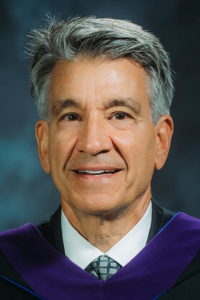
Prof. David Tanovich
RSC Fellow, Academy of Social Sciences
Affiliation: University of Windsor
Keywords: Criminal Law, Evidence, Legal Ethics, Systemic Racism & Policy, Racial Profiling, Sexual Assault Law
Induction Year: 2017
TANOVICH, David M. - Faculty of Law, University of Windsor
David Tanovich has significantly advanced our understanding of systemic bias and, in particular, anti-Black racism, in Canadian criminal law. He is a prolific, creative and courageous legal scholar. His pioneering research, scholarship, policy work and public engagement on racial profiling, carding, sentencing, using rap lyrics as evidence, sexual assault law and the ethical obligation of lawyers to be culturally competent mark him as one of Canada’s most influential legal academics.
David Tanovich a contribué à améliorer notre compréhension sur la partialité systémique de façon significative et tout particulièrement le racisme contre les noirs sous les lois criminelles Canadienne. Il est un juriste créatif, courageux, et prolifique. Ses recherches pionnières, son éducation, ses travaux sur la politique, son engagement publique sur les profilages raciaux, sa perspicacité, ses tournures de phrase, l'utilisation des paroles de rap comme preuve, sa connaissance des lois sur le viol et de l'éthique d'obligation des avocats le rendant culturellement compétant font lui l'un des professeurs de droit des plus influent du Canada.
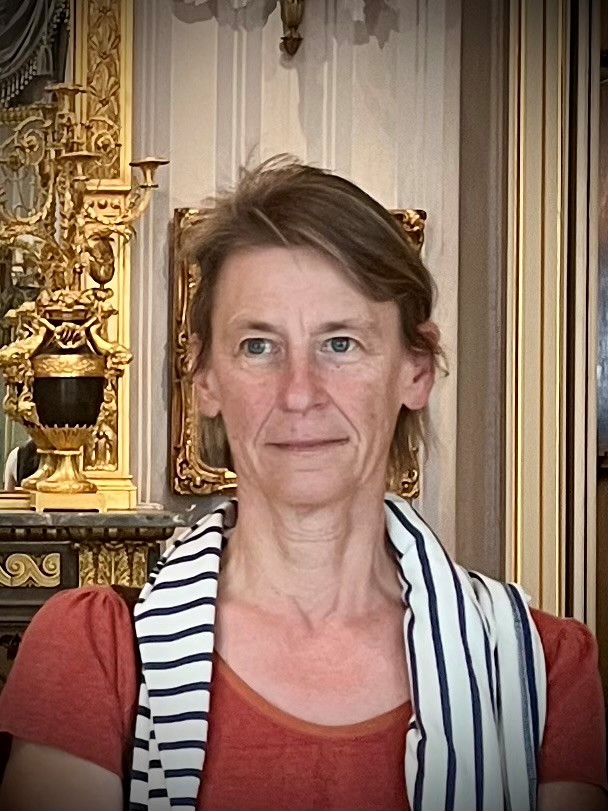
Prof. Christine Tappolet
RSC Fellow, Academy of the Arts and Humanities
Affiliation: Université de Montréal
Keywords: Éthique, Méta-éthique, théories morales, psychologie morale, théorie des émotions, irrationalité pratique
Induction Year: 2025
Christine Tappolet is internationally recognized for her contributions to moral ethics and psychology, a field at the intersection of moral philosophy and psychology, as well as to the philosophy of emotions. She has distinguished herself in particular by rigorously and innovatively developing a concept of emotions that has as its starting point the many analogies between emotions and sensory perceptions, and based on which emotions support out awareness of values.
Christine Tappolet est reconnue à l’international pour ses contributions en éthique et en psychologie morale, un domaine se situant à l’intersection entre la philosophie morale et la psychologie, ainsi qu’en philosophie des émotions. Elle s’est notamment démarquée en développant de manière rigoureuse et novatrice une conception des émotions qui prend comme point de départ les nombreuses analogies entre émotions et perceptions sensorielles, et selon laquelle les émotions nous permettent d’avoir conscience des valeurs.
Prof. Valerie Tarasuk
RSC Fellow, Academy of Social Sciences
Affiliation: University of Toronto
Induction Year: 2025
Valerie Tarasuk is a Professor Emerita in Nutritional Sciences at the University of Toronto. She has importantly advanced scholarship in public health nutrition and household food insecurity in Canada. Her research has established food insecurity as a potent social determinant of health, mitigated by federal and provincial policy interventions that improve the financial resources of vulnerable households; she has effectively mobilized this knowledge to shift public and political discourse.
Valerie Tarasuk est professeure émérite en sciences nutritionnelles au sein de l’Université de Toronto. Elle a réalisé d’importantes recherches sur la nutrition en santé publique et l’insécurité alimentaire des ménages au Canada. Ses recherches ont permis d’établir que l’insécurité alimentaire était un puissant déterminant social de la santé, atténué par des interventions politiques fédérales et provinciales améliorant les ressources financières des ménages vulnérables. Partant de ce constat, elle a modifié le discours public et politique.
Dr. Jean-Claude Tardif
RSC Fellow, Academy of Sciences
Affiliation: Université de Montréal
Induction Year: 2024
Jean-Claude Tardif is a cardiologist and scientist conducting basic, translational and clinical research on atherosclerotic cardiovascular disease. He has shown the benefits of inflammation reduction in coronary disease, which ultimately led to regulatory approval of colchicine for clinical use in large numbers of patients. He has also discovered the role of genetic determinants of responses to medications, as part of his pioneering inter-disciplinary work in cardiovascular precision medicine.
Le Dr Jean-Claude Tardif est un cardiologue et un scientifique qui mène des recherches fondamentales, translationnelles et cliniques sur les maladies cardiovasculaires athérosclérotiques. Il a démontré les avantages de la réduction de l’inflammation pour le traitement des maladies coronariennes, ce qui a abouti à l’approbation réglementaire de l’utilisation clinique de la colchicine pour un grand nombre de patients. Il a également découvert le rôle des déterminants génétiques des réponses aux médicaments dans le cadre de son travail interdisciplinaire de pointe en médecine de précision cardiovasculaire.
Prof. Frank "Max" Taylor
RSC Fellow, Academy of Sciences
Affiliation: The University of British Columbia
FRANK JOHN RUPERT (MAX) TAYLOR, Professor, Departments of Botany and Oceanography, University of British Columbia, has contributed significantly to worldwide understanding of the systematics, ultrastructure, evolution and applied biology of the dinoflagellates. He made seminal contributions to the general understanding of organelle origins in eukaryotic cells which culminated in his formalization of the Serial Endosymbiosis Theory. He was an active and rigorous promoter for recognition of the Kingdom Protista, and the emergence of Protistology as a major discipline. He was one of the pioneers who recognized the importance of combining information on organellar ultrastructure with analysis of the genetic code to understand the evolution, enormous diversity and complexity among protists.