

You are here
Dr. Leyla Soleymani
RSC College Member
Affiliation: McMaster University
Induction Year: 2022
Dr. Leyla Soleymani is an Associate Professor in the Departments of Engineering Physics and Biomedical Engineering at McMaster and is an University Scholar and Canada Research Chair (Tier II) in Miniaturized Biomedical Devices. Dr. Soleymani’s research is focused on developing biomedical technologies for rapid disease diagnostics and health monitoring, as well as solutions for reducing the spread of infectious diseases. Dr. Soleymani holds several patents in the areas of biosensing and biointerfaces with multiple diagnostics technologies licensed to pharmaceutical and biotechnology companies.
Leyla Soleymani est professeure agrégée aux Départements de génie physique et de génie biomédical de l’Université McMaster. Elle est également boursière universitaire et titulaire de la Chaire de recherche du Canada (niveau 2) sur les dispositifs biomédicaux miniaturisés. Ses recherches visent à mettre au point des technologies biomédicales pour le diagnostic rapide de maladies et la surveillance de la santé, et à trouver des solutions pour réduire la propagation des maladies infectieuses. Elle détient plusieurs brevets dans les domaines de la biodétection et des biointerfaces et a octroyé en vertu d’une licence à des sociétés pharmaceutiques et biotechnologiques le droit d’utiliser plusieurs de ses technologies de diagnostic.

Prof. Tammara Soma
RSC College Member
Affiliation: Simon Fraser University
Keywords: Food System Planning, Community-Based Research, Circular Economy
Induction Year: 2025
Tammara Soma is a food system scholar and practitioner who integrates considerations of food system sustainability, climate resilience, Indigenous food sovereignty, and equity into land use planning and policy. Dr. Soma is internationally known for her efforts to build the nascent field of food system planning, advance food loss and waste prevention policies, as well as her work on the societal implications of novel agricultural technologies.
Tammara Soma est une chercheuse et praticienne spécialisée dans les systèmes alimentaires, qui intègre les considérations relatives à la durabilité des systèmes alimentaires, à la résilience climatique, à la souveraineté alimentaire des peuples autochtones et à l’équité à la planification de l’utilisation des terres et à l’élaboration de politiques connexes. Mme Soma est reconnue internationalement pour ses efforts visant à développer le domaine naissant de la planification des systèmes alimentaires, à faire progresser les politiques de prévention des pertes et du gaspillage alimentaires, ainsi que pour ses travaux sur les répercussions sociétales des nouvelles technologies agricoles.
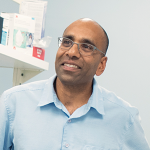
Prof. Kiran Soma
RSC Fellow, Academy of Social Sciences
Affiliation: The The University of British Columbia
Induction Year: 2025
Kiran Soma, a Fellow of the American Association for the Advancement of Science and a world-renowned expert on how hormones affect the brain and immune system, has made transformative contributions to psychology, neuroscience, and endocrinology. He publishes in the most prestigious scientific journals and is one of Canada’s most highly cited behavioural neuroscientists.
Membre de l’American Association for the Advancement of Science et expert mondialement reconnu sur l’influence des hormones sur le cerveau et le système immunitaire, Kiran Soma a apporté des contributions révolutionnaires aux domaines de la psychologie, des neurosciences et de l’endocrinologie. Il publie dans les revues scientifiques les plus prestigieuses et est l’un des neuroscientifiques du comportement les plus cités au Canada.
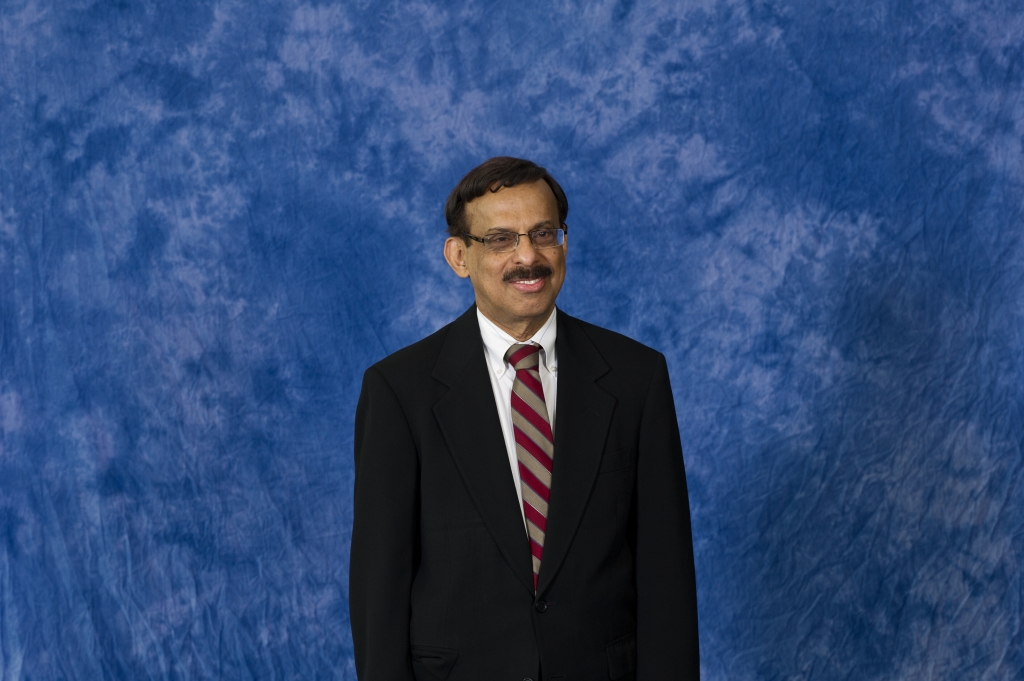
Dr. Ponisseril Somasundaran
RSC Fellow, Academy of Sciences
Affiliation: Columbia University
Induction Year: 2012
SOMASUNDARAN, Ponisseril - Department of Earth and Environmental Engineering, Columbia University
Ponisseril Somasundaran is recognized for his ground-breaking contributions towards unraveling complex nano-scale structures and energetics of surfactant self-assemblies and polymer-surfactant hybrids at interfaces. He pioneered the use of spectroscopic methods for probing surfactant self-assemblies. His work forms the backbone of many of the current practices in ultra-lean ores beneficiation, hazardous materials/waste water treatment and personal care industry. His seminal work continues to be vital for meeting today’s environmental and sustainability needs.
SOMASUNDARAN, Ponisseril - Département des sciences de la Terre et du génie environnemental, Columbia University
Le professeur Somasundaran est reconnu pour ses contributions novatrices à la connaissance des nanostructures complexes et de la compréhension de l’énergétique des surfactants auto-assemblés, et aux interfaces entre les tensioactifs hybrides. Il a été l’un des premiers à utiliser des méthodes spectroscopiques pour sonder les auto-assemblages de surfactants. Ses recherches sont à la base de plusieurs des pratiques courantes d’enrichissement des minerais ultra-pauvres, de traitement des matériaux et des eaux usés et de l’industrie des soins personnels. Ses travaux apportent une réponse essentielle aux besoins de la société actuelle en matière d’environnement de développement durable.
Prof. Margaret Somerville
RSC Fellow, Academy of Social Sciences
Affiliation: McGill University and University of Notre Dame Australia
Keywords: Medical care, medical ethics, bioethics, ethics & public policy, health policy
Professor Margaret Somerville is the incumbent of the first named Chair in Law awarded to a woman in Canada, and the first woman to hold a professorship in both the Faculty of Medicine and the Faculty of Law of a Canadian University. She is the Founding Director of the McGill Centre for Medicine, Ethics and Law, and she plays a vital role in the world-wide development of bioethics and the study of the legal and ethical aspects of science. She is the recipient of many awards, including the Distinguished Service Award of the American Society of Law and Medicine (1985), the "Pax Orbis ex Jure" Gold Medal, for support and dedication to the cause of world peace through law (1985) and the Order of Australia (1989).
Dr. Christopher Somerville
RSC Fellow, Academy of Sciences
Affiliation: Stanford University
Christopher Roland Somerville, FRS (London), Professor of Botany and Plant Pathology, Michigan State University, has made exceptional contributions to genetics, molecular biology and biochemistry of plants. A Canadian who was educated (1970-7) and has taught (1981-2) at University of Alberta, his innovative applications of mutant analysis with 'Arabidopsis' have allowed the resolution problems that were once intractable. His research has shown us that photorespiration is an essential plant process. Similarly, our knowledge of photosynthesis [Rubisco mutants], of lipid biosynthesis and lipid function in membranes and of starch synthesis and utilization has been significantly enhanced by his research. Most recently he has taken the leading role in an ambitious project on the molecular mapping of the 'Arabidopsis' genome.
Sorin Sonea
RSC Fellow, Academy of Sciences
Affiliation: Université de Montréal
Keywords: Bacteries: evolution unificatrice, super-bio system
Sorin Sonéa, malgré ses charges universitaires et ses nombreuses missions et représentations auprès des milieux scientifiques nationaux et internationaux et auprès des agences et comités de recherches, est demeuré un chercheur très actif qui a déjà une centaine de publications originales à son crédit. Ses travaux sur l'appareil biochimique et génétique de la virulence microbienne, celle du staphylocoque en particulier, lui ont valu une grand notoriété et de fréquentes citations. Il dirige l'un des plus grands centres de microbiologie du Canada où plus de 45 étudiants « gradués » sont reçus chaque année. Son esprit objectif et critique est précieusement utilisé par le « Canadian Journal of Microbiology » dont il est éditeur associé.
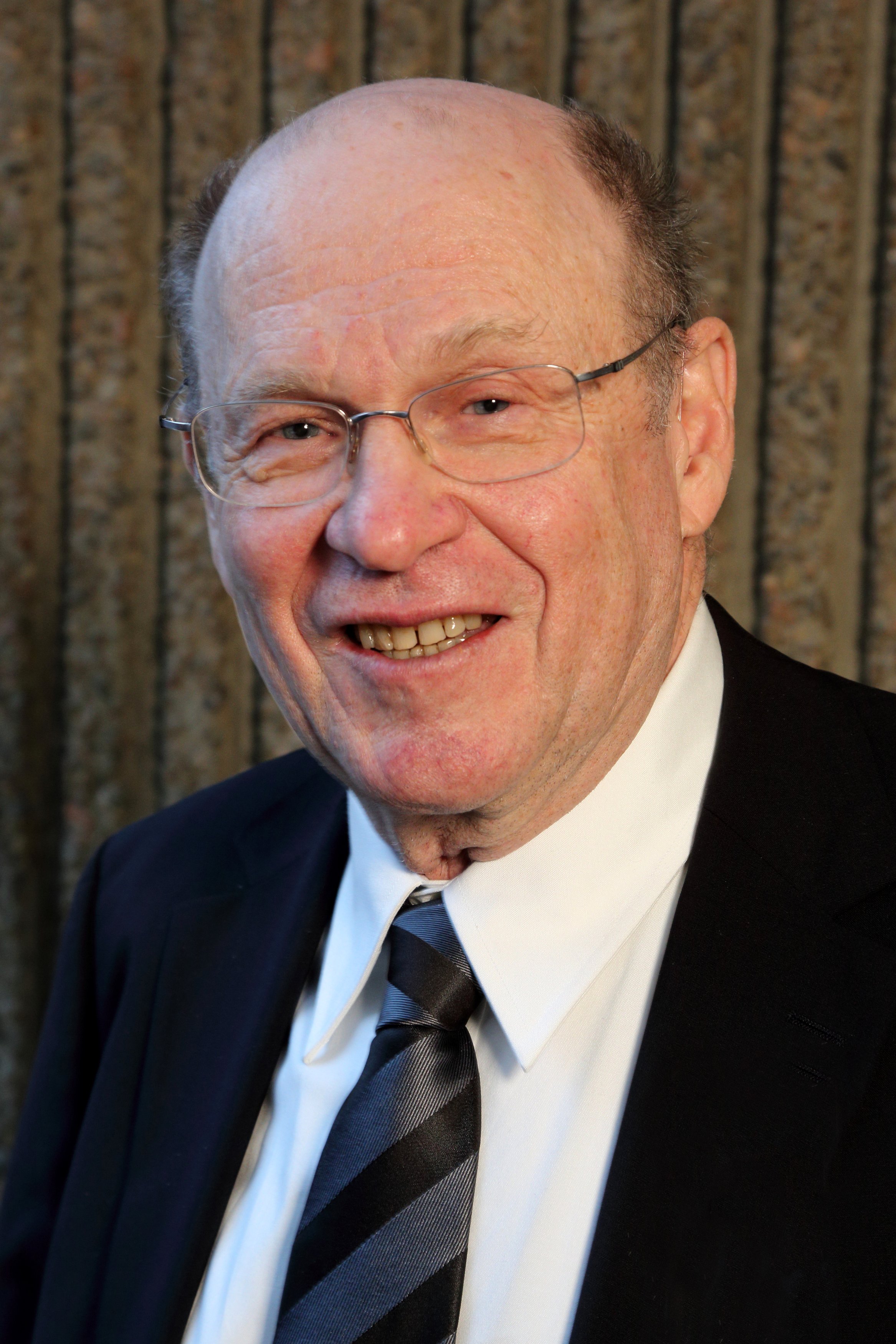
Dr. Nahum Sonenberg
RSC Fellow, Academy of Sciences
Affiliation: McGill University
NAHUM SONENBERG, Department of Biochemistry, McGill University, is one of Canada's most respected investigators in the regulation of protein synthesis and the recognized authority on the role of cap structure in protein synthesis. His contributions to biochemistry and molecular biology include the discovery of the mRNA cap binding proteins in eukaryotes which assure that the mRNA is recognized by the ribosomal machinery; his further elucidation of the nature of the cap, its binding proteins and their role in translation; the discovery that the cap binding protein is a proto-oncogene required; and the demonstration that the unwinding of mRNA is for ribosome binding.
Prof. Oliver Sonnentag
RSC College Member
Affiliation: Université de Montréal
Induction Year: 2022
Oliver Sonnentag, the Canada Research Chair in Atmospheric Biogeosciences in High Latitudes, has developed an innovative research program at the interface of various disciplines in natural sciences, frombiometeorology to ecophysiology and process-oriented ecosystem modelling. Well-integrated in national and international circumpolar research and synthesis initiatives, Sonnentag has made substantial contributions in improving our understanding of the impact of climate change and increasing anthropogenic pressures on northern Canada’s vulnerable permafrost landscapes.
Titulaire de la Chaire de recherche du Canada en biogéosciences atmosphériques en hautes latitudes, Oliver Sonnentag a développé un programme novateur croisant des disciplines des sciences naturelles, de la biométéorologie à la modélisation des écosystèmes en passant par l’écophysiologie. Actif dans des initiatives de recherche et de synthèse circumpolaires nationales et internationales, il a contribué substantiellement à la compréhension de l’impact des changements climatiques et des pressions anthropiques croissantes sur les paysages de pergélisol vulnérables du nord canadien.
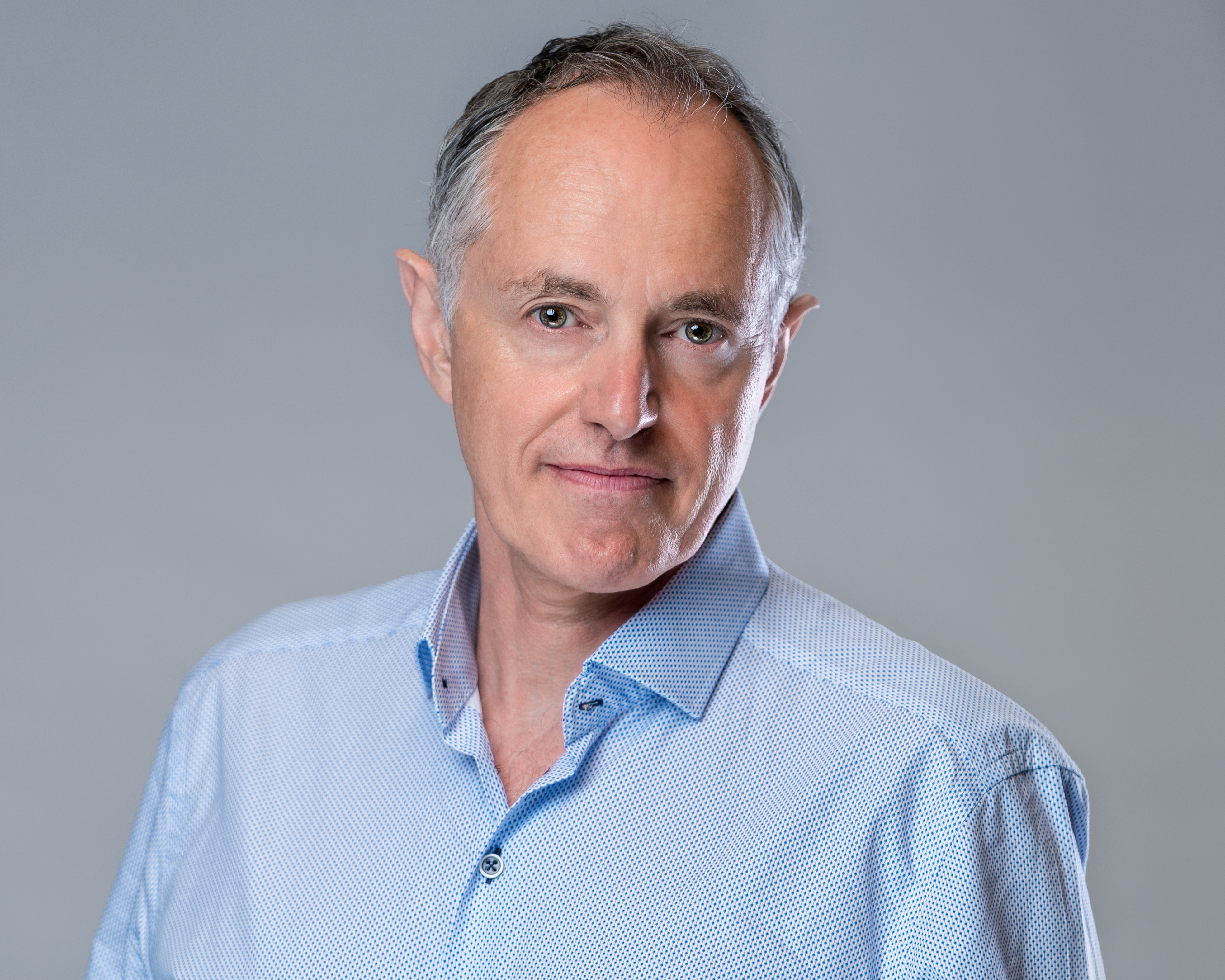
Dr. Poul Sorensen
RSC Fellow, Academy of Sciences
Affiliation: The University of British Columbia
Induction Year: 2019
SORENSEN, Poul – Department of Pathology & Laboratory Medicine, The University of British Columbia
Poul Sorensen is an internationally renowned clinician-scientist whose pioneering work uncovered numerous genetic and biological drivers of aggressive childhood cancers, many of which were subsequently directly linked to the biology of adult malignancies. He was the first to show that NTRK gene fusions are recurrent oncogenic drivers, which are now estimated to occur in 1% of human cancers, leading to the development of recently approved drugs to target these lesions.
Poul Sorensen est un scientifique et un clinicien de renommée internationale dont les travaux novateurs ont permis d’identifier de nombreux facteurs génétiques et biologiques caractéristiques des cancers agressifs chez l’enfant, dont nombre d’entre eux étaient également directement liés à la biologie des tumeurs malignes chez l’adulte. Il a été le premier à démontrer que les fusions du gène NTRK étaient des facteurs oncogéniques récurrents, qui seraient présents dans 1% des cancers humains. Cette découverte a permis le développement de médicaments récemment approuvés pour le traitement de patients présentant ces lésions.
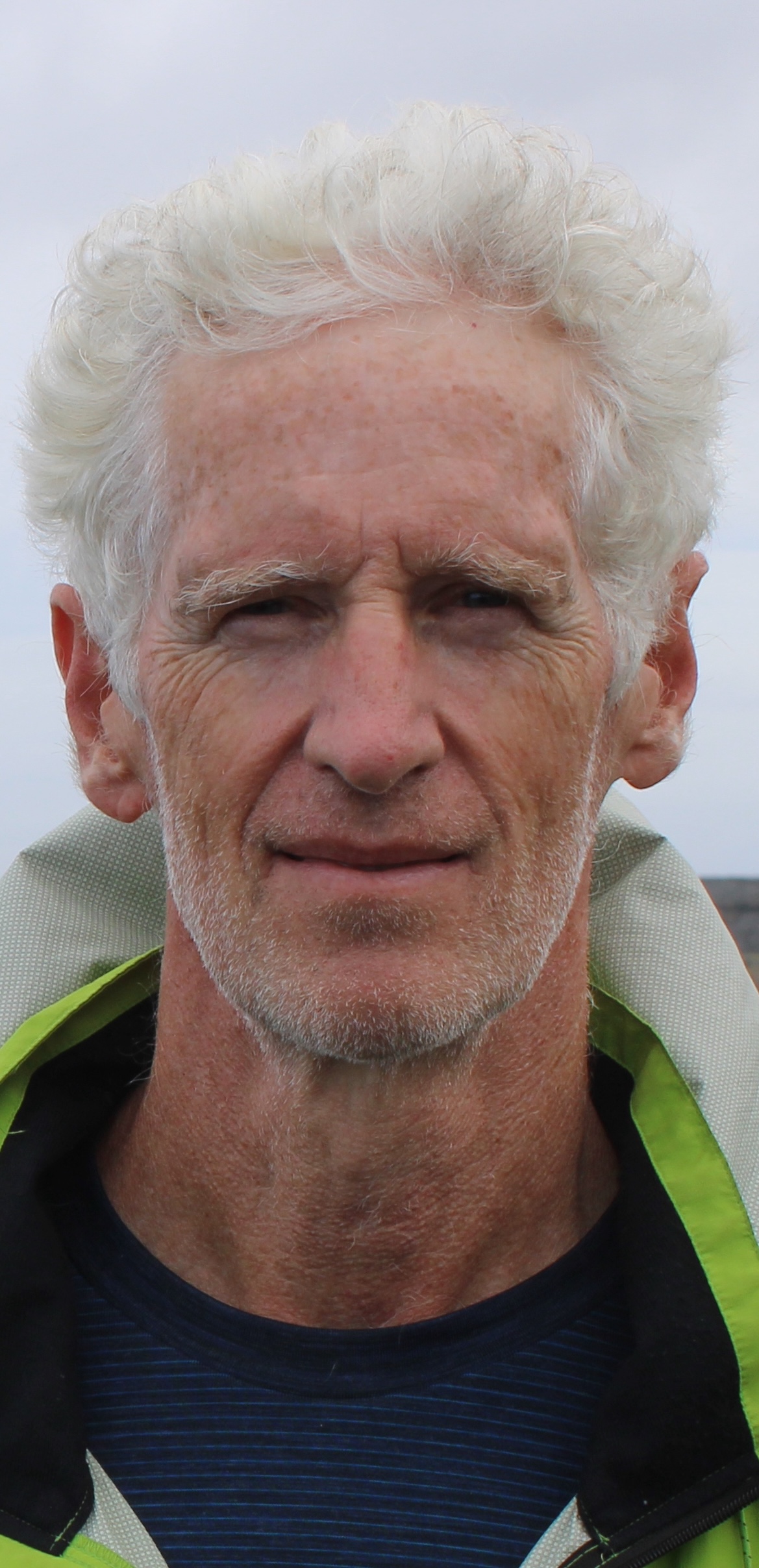
Prof. Gordon Southam
RSC Fellow, Academy of Sciences
Affiliation: The University of Queensland
Induction Year: 2025
Gordon Southam applies fundamental geomicrobiology to improve our understanding of earth system processes to benefit society and industry. He uses advanced imaging and molecular techniques to characterize naturally occurring microbial processes in rock to develop sustainable mining practices. Partnering with the resource industry, Southam’s biotechnological innovations, such as carbon capture from mine waste, are moving the industry towards the aspiration of creating a carbon neutral mine.
Gordon Southam applique la géomicrobiologie fondamentale pour mieux comprendre les processus des systèmes terrestres au profit de la société et de l’industrie. Il emploie des techniques d’imagerie et moléculaires avancées pour caractériser les processus microbiens qui se développent naturellement dans les roches afin d’élaborer des pratiques minières durables. Dans le cadre de partenariats avec l’industrie des ressources, les innovations biotechnologiques de Southam, telles que la capture du carbone dans les déchets miniers, ont fait progresser l’industrie minière sur la voie de la carboneutralité.

Prof. Marcia Spetch
RSC Fellow, Academy of Social Sciences
Affiliation: University of Alberta
Keywords: spatial memory, animal cognition, navigation, decision making
Induction Year: 2017
SPETCH, Marcia - Department of Psychology, University of Alberta
Spetch's innovative approaches to comparative cognition have contributed to opening up a significant new research field: comparative spatial cognition. Her studies on spatial memory and orientation across different species have invigorated comparative cognition worldwide. Spetch has also significantly advanced our understanding of decision making across different species and is internationally renowned for her research on how animals perceive, learn about and remember their worlds.
Google translate - Les approches novatrices de Spetch en matière de cognition comparative ont contribué à l'ouverture d'un nouveau domaine de recherche important: la connaissance spatiale comparative. Ses études sur la mémoire spatiale et l'orientation entre différentes espèces ont revigoré la connaissance comparative dans le monde entier. Spetch a également considérablement avancé notre compréhension de la prise de décision à travers différentes espèces et est internationalement reconnu pour ses recherches sur la façon dont les animaux perçoivent, apprennent et se souviennent de leurs mondes.
Prof. Nathan Spreng
RSC College Member
Affiliation: McGill University
Induction Year: 2022
Dr. Nathan Spreng is a Professor of Neurology and Neurosurgery in the Faculty of Medicine and Health Sciences at McGill University and the Director of the Laboratory of Brain and Cognition at the Montreal Neurological Institute. Dr. Spreng’s research focuses on the organization of large-scale brain networks and how dynamic interactions among brain regions support cognitive and social functioning across the lifespan, both in normal human aging and neurodegenerative diseases.
Nathan Spreng est professeur de neurologie et de neurochirurgie à la Faculté de médecine et des sciences de la santé de l’Université McGill et directeur du Laboratoire sur le cerveau et la cognition de l’Institut-hôpital neurologique de Montréal. Ses recherches portent sur l’organisation des larges réseaux cérébraux et sur la façon dont les interactions dynamiques entre les régions du cerveau favorisent le fonctionnement cognitif et social tout au long de la vie, tant au cours du vieillissement humain normal que dans le cadre des maladies neurodégénératives.
Diane Srivastava
RSC Fellow, Academy of Sciences
Affiliation: The University of British Columbia
Induction Year: 2023
Diane Sheila Srivastava (University of British Columbia) is an internationally-recognized authority in community ecology. Her ground-breaking research integrates spatial and trophic processes to understand food webs, and their response to global change. She pioneered the use of natural microecosystems
for testing the universality of ecological processes, and has authored seminal ecological syntheses. Her leadership nationally has led to a revitalization of synthesis science in Canada’s
ecology and evolution research community.
Diane Sheila Srivastava (University of British Columbia) est une sommité internationale reconnue dans le domaine de l'écologie des communautés. Ses recherches novatrices intègrent les processus spatiaux et trophiques pour comprendre les réseaux alimentaires et leur réaction au changement global. Elle a été la première à utiliser des microécosystèmes naturels pour tester l'universalité des processus écologiques, et elle est l'autrice de synthèses écologiques de premier plan. Son leadership au niveau national a conduit à une revitalisation de la science de la synthèse dans la communauté de recherche sur l'écologie et l'évolution au Canada.
Dr. Peter Henry St George-Hyslop
RSC Fellow, Academy of Sciences
Affiliation: University of Toronto
Keywords: Neurobiology, neurogenetics, neurological disease, neurochemistry, brain repair
Induction Year: 2002
Peter St George-Hyslop is an international leader in research on neurodegenerative diseases. He pioneered the use of genetic approaches to elucidating the basis of these diseases. His research has provided insight into biological mechanisms regulating the disposition of membrane proteins associated with development and aging, and profoundly altered our understanding of neurodegeneration.
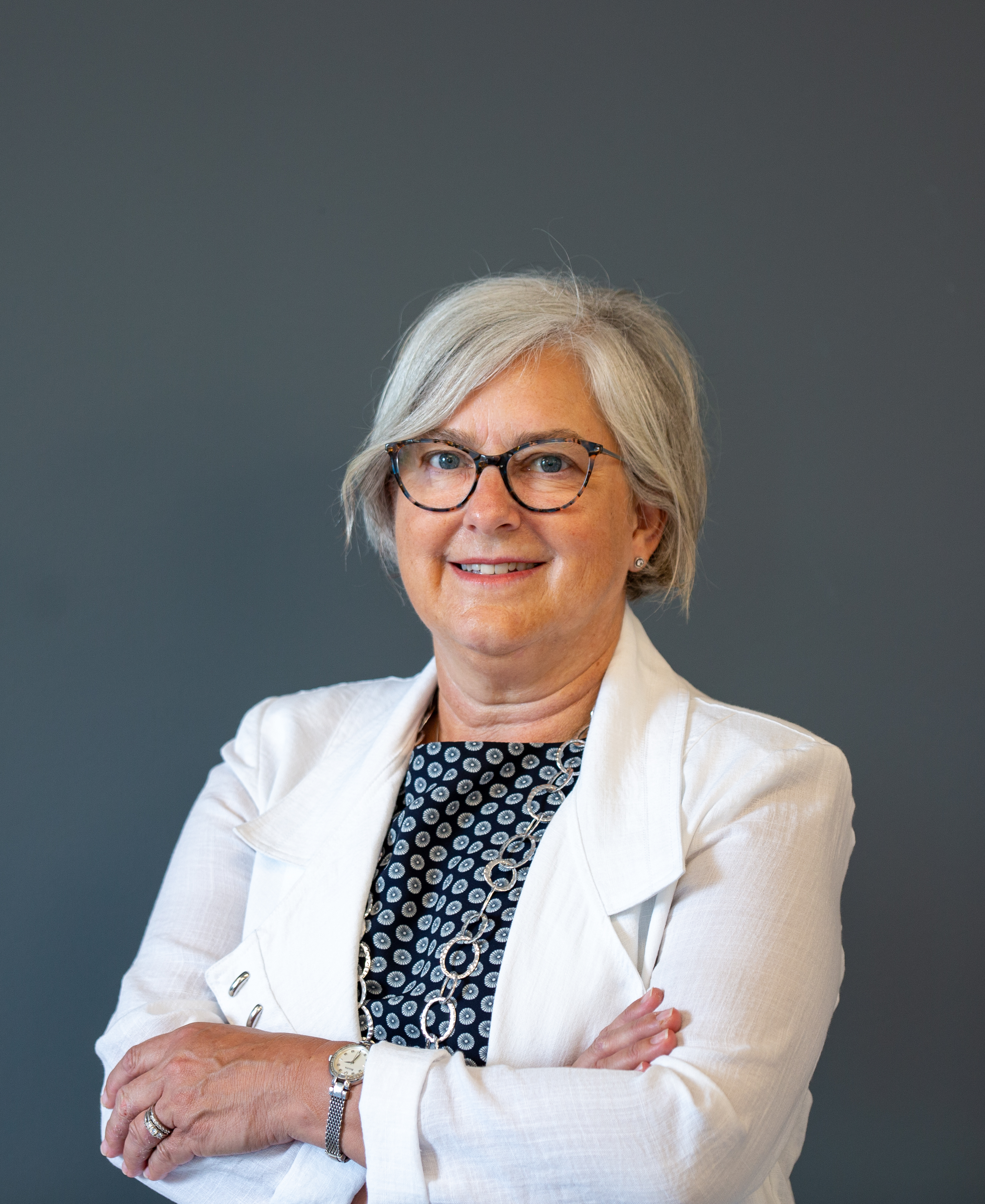
Dr. Dawn C Stacey
RSC Fellow, Academy of Sciences
Affiliation: University of Ottawa
Keywords: Patient centered care, decision coaching, patient decision aid, implementation science, knowledge translation, health
Induction Year: 2023
Dawn Stacey’s internationally recognized research aims to understand, measure, and evaluate implementation of decision coaching and decision support tools for patients and healthcare professionals. She leads national and international initiatives to synthesize effective interventions and develop standards for translating scientific knowledge into user-friendly tools. Her research findings are used in clinical practice, continuing education for healthcare professionals, and health policy in Canada, Chile, the United States, United Kingdom, and Australia.
Les recherches internationalement reconnues du Dre. Dawn Stacey portent sur la compréhension, la mesure et l’évaluation de la mise en place de techniques de coaching et d’outils d’aide à la prise de décision pour les patients et les professionnels de la santé. Elle dirige des initiatives nationales et internationales qui permettent de faire la synthèse des interventions les plus efficaces et de développer des normes permettant de traduire le savoir scientifique en outils facilement utilisables. Les résultats de ses recherches sont utilisés dans la pratique clinique, dans la formation continue des professionnels de la santé et dans les politiques de santé du Canada, du Chili, des Etats-Unis, du Royaume-Uni et de l’Australie.
Prof. Igor Stagljar
RSC Fellow, Academy of Sciences
Affiliation: University of Toronto
Induction Year: 2023
Professor Igor Stagljar is one of the world leaders in the field of proteomics/chemical genomics, developing technologies to facilitate the study of various human proteins involved in cancer. Additionally, his lab has recently made major contributions to the fight against COVID-19 by developing SATiN and Neu-SATiN serological tests. He has published over 150 research papers, is the holder of 8 patents, and has been honored as one of the top inventors in Canada.
Le professeur Igor Stagljar est l’un des plus éminents spécialistes au monde du domaine de la protéomique/génomique chimique. Il développe des technologies destinées à faciliter l’étude de diverses protéines humaines intervenant dans le cancer. Son laboratoire a de plus récemment apporté une contribution majeure à la lutte contre la COVID-19 en mettant au point les tests sérologiques SATiN et Neu-SATiN. Il a publié plus de 150 articles de recherche, est titulaire de 8 brevets et a été nommé l’un des meilleurs inventeurs au Canada.
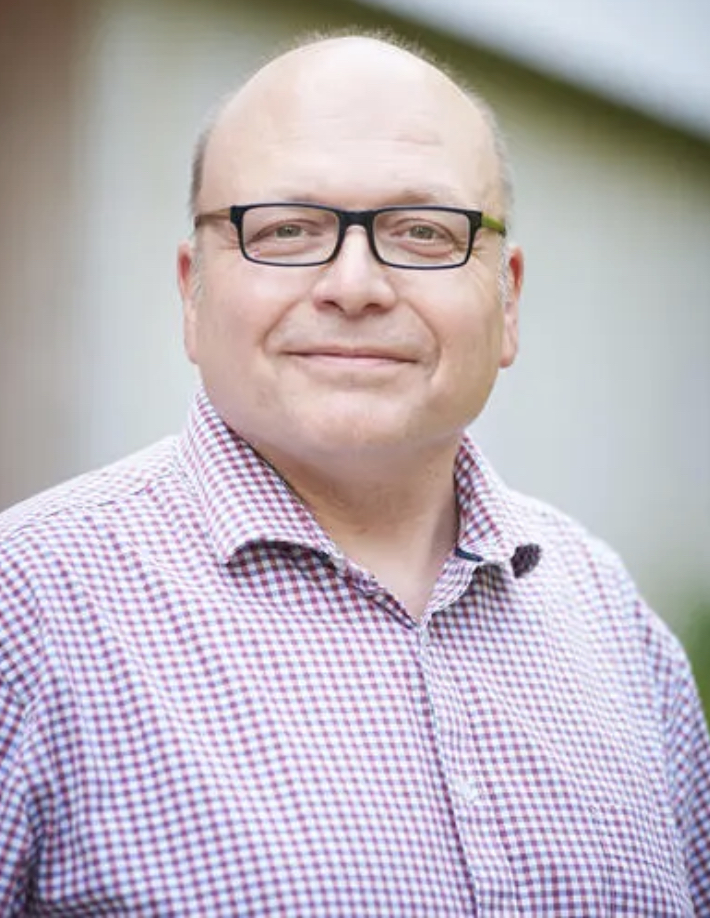
Prof. Frank W. Stahnisch
RSC Fellow, Academy of the Arts and Humanities
Affiliation: University of Calgary
Induction Year: 2025
Frank Stahnisch holds the AMF /Hannah Professorship in the History of Medicine and Health Care at the University of Calgary. His groundbreaking scholarship in the history of medicine has been fundamental to scientific as well as popular understandings of the origins of modern neuroscience and the relationship with public mental health. His transnational, interdisciplinary approaches to investigations of neuroscience have significantly expanded global medical history in this complex domain.
Frank Stahnisch est titulaire de la chaire Hannah et de l’Alberta Medical Foundation en histoire de la médecine et des soins de santé à la University of Calgary. Ses travaux novateurs en histoire de la médecine ont joué un rôle fondamental dans la compréhension scientifique et populaire des origines des neurosciences modernes et de leur relation avec la santé mentale publique. Son approche transnationale et interdisciplinaire des neurosciences a considérablement enrichi ce domaine complexe de l’histoire médicale mondiale.
Dr. David Staines
RSC Fellow, Academy of the Arts and Humanities
Affiliation: University of Ottawa
Keywords: literature, medieval canadian
Induction Year: 2005
LONG CITATION
David Staines, winner of the prestigious Lorne Pierce Medal for his outstanding contributions to Canadian letters, is one of Canada's foremost literary editors, critics, and cultural commentators. Recognized internationally for his breadth of knowledge, his critical and editorial studies of Laurence and Leacock, Frye and McLuhan, and his passionate engagement with Canadian culture (as in his editorial work with the New Canadian Library and through his help in establishing the Giller and Taylor Awards), he is celebrated for his exceptional achievements in critical reassessment and literary history. A key figure in demonstrating the connection between social priorities and cultural expression, David Staines brings immense scholarly distinction to his discipline.
SHORT CITATION
David Staines, winner of the prestigious Lorne Pierce Medal for his outstanding contributions to Canadian letters, is one of Canada's foremost literary editors, critics, and cultural commentators. Celebrated for his exceptional achievements in critical reassessment and literary history, he is also a leader in demonstrating the connection between social priorities and cultural expression.
Dr. Robert Stainton
RSC Fellow, Academy of the Arts and Humanities
Affiliation: Western University
Keywords: semantics, pragmatics, philosophy of language
Induction Year: 2013
STAINTON, Robert - Department of Philosophy, Western University
Robert Stainton’s research lies at the intersection of philosophy and linguistics. Trained in functional linguistics at Glendon College (BA, 1988) and in generative grammar at MIT (Ph.D., 1993), most recently he has contributed to team projects on the history of philosophy of language, and on impairments in linguistic pragmatics in Autism Spectrum Disorders. He is Distinguished University Professor in the Department of Philosophy at Western, and Director of its Graduate Program in Linguistics.
STAINTON, Robert - Département de philosophie, Western University
Le sujet des recherches de Robert Stainton se situe aux frontières de la philosophie et de la linguistique. Formé en linguistique fonctionnelle au Glendon College (bacc., 1988) et en générativisme à MIT (Ph. D., 1993), il a contribué récemment à des études de groupe portant sur la philosophie du langage et sur les défauts de langue pragmatiques dans les désordres autistiques. Il est actuellement professeur émérite au département de philosophie de l’université Western, en plus de diriger son programme d’études graduées en linguistique.
Dr. Denis Stairs
RSC Fellow, Academy of Social Sciences
Affiliation: Dalhousie University
Keywords: Canadian, foreign and defence policy
Outstanding teacher and capable administrator, Professor Stairs has employed scholarly qualities of an exceedingly high order to illuminate the Canadian experience in international affairs, past and present. By meticulous research he has demonstrated that the patterns of Canada's foreign and defence policies over two decades were substantially derived from its participation in the Korean hostilities. For academics studying Canada's international relations, his distinguished work on the forces and influences that enter into the making of its foreign policy, and on the limits and possibilities of 'middle-powermanship', set a very high standard.
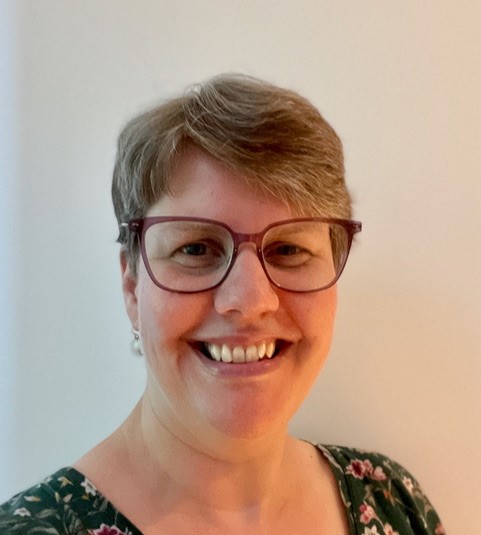
Prof. Ingrid Stairs
RSC Fellow, Academy of Sciences
Affiliation: The University of British Columbia
Keywords: Physics
Induction Year: 2025
Ingrid Stairs is a leading expert in radio observations of pulsars, using these fast spinning compact stars to study matter at high densities and to test Einstein’s theory of General Relativity. She is a founding member of the NANOGrav collaboration, which in 2023 announced evidence for a stochastic low-frequency gravitational-wave background. She is also part of the team using the Canadian CHIME telescope to discover Fast Radio Bursts and new pulsars.
Ingrid Stairs est une experte de premier plan de la radioastronomie des pulsars. Elle utilise ces étoiles compactes en rotation rapide pour étudier les matières à haute densité et tester la théorie de la relativité générale d’Einstein. Elle est membre fondatrice de la collaboration NANOGrav, qui a annoncé en 2023 avoir trouvé des preuves d’un fond stochastique d’ondes gravitationnelles à basse fréquence. Elle fait également partie de l’équipe qui utilise le télescope canadien CHIME pour découvrir des sursauts radio rapides et de nouveaux pulsars.

Prof. Kelli Stajduhar
RSC Fellow, Academy of Social Sciences
Affiliation: University of Victoria
Induction Year: 2022
Kelli Stajduhar, Professor, University of Victoria has worked in oncology, palliative care, and gerontology as a nurse, educator, and researcher. Her practice and research focuses on end-of-life, caregiving, and marginalized populations. Most recently, she was inducted as a Fellow into the Canadian Academy of Health Sciences and the Canadian Academy of Nursing. In 2021, she received the Tier 1 CRC in Palliative Approaches to Care in Aging and Community Health.
Kelli Stajduhar, professeure à l’University of Victoria, a travaillé en oncologie, en soins palliatifs et en gérontologie en tant qu’infirmière, enseignante et chercheuse. Sa pratique et ses recherches sont axées sur la fin de vie, les soins et les populations marginalisées. Plus récemment, elle a été intronisée membre de l’Académie canadienne des sciences de la santé et de l’Académie canadienne des sciences infirmières. En 2021, elle a été nommée titulaire de la Chaire de recherche du Canada de niveau 1 sur les approches palliatives des soins dans le vieillissement et la santé communautaire.
Dr. Andrew Staniland
RSC College Member
Affiliation: Memorial University of Newfoundland
Keywords: Composer
Induction Year: 2014
Andrew Staniland is one of Canada’s leading contemporary classical music composers. His works have a visceral impact, addressing important social themes and artistic ideas with heart and uncompromising integrity. His is a crucial musical voice for our times. Andrew Staniland’s creative research is on the edge of innovation in modern classical music, blending the traditional craft of musical composition with the new and innovative digital media of the Twenty-first Century.
Andrew Staniland est l’un des compositeurs de musique classique contemporaine les plus en vue au Canada. Ses travaux, réalisés avec passion et intégrité, ont un impact profond puisqu’ils s’articulent autour de thèmes sociaux et idées artistiques majeurs. Il s’agit d’une des voix musicales incontournables de notre époque. Les recherches créatives d’Andrew Staniland sont à la pointe de l’innovation en musique classique moderne, combinant la technique traditionnelle de composition aux nouveaux supports numériques du 21e siècle.