

You are here
Cynthia Sugars
RSC Fellow, Academy of the Arts and Humanities
Affiliation: University of Ottawa
Induction Year: 2022
Cynthia Sugars is widely considered to have laid the groundwork for the field of Canadian settler-colonial literary studies within broader international debates. Her richly historicized analyses have shaped fundamental discussions about some of the most pressing issues of our time, such as Indigenous-settler relations, multiculturalism, national identity, and Canada’s position in a global world. Her work has deepened our understanding of the ways that Canadians have both imagined and interrogated stories of national belonging.
Cynthia Sugars est largement considérée comme ayant jeté les bases de l’intégration du domaine des études littéraires coloniales canadiennes aux débats internationaux plus larges. Ses analyses richement historicisées sous-tendent des discussions fondamentales sur certaines des questions les plus pressantes de notre époque, telles que les relations entre les Autochtones et les colons, le multiculturalisme, l’identité nationale et la position du Canada dans un monde globalisé. Ses travaux ont permis d’approfondir notre compréhension des façons dont les Canadiens ont à la fois imaginé et interrogé les histoires d’appartenance nationale.
Dr. Samy Suissa
RSC Fellow, Academy of Sciences
Affiliation: McGill University
Keywords: pharmacoepidemiology, drug safety, chronic diseases, medical statistics
Induction Year: 2018
SUISSA, Samy - Department of Epidemiology, Biostatistics, and Occupational Health, McGill University
Professor Suissa is an internationally renowned pharmacoepidemiologist who studies the real-world safety of medications. His landmark studies, showing that inhaled corticosteroids prevent asthma deaths, profoundly altered asthma management and lowered asthma mortality worldwide. His work on oral contraceptives and hormone therapy in women, and on Parkinson’s disease, led to safer clinical practice. He heads the Canadian Network for Observational Drug Effect Studies (CNODES), involving over 60
Canadian scientists.
Professeur Suissa est un pharmaco-épidémiologiste reconnu mondialement. Ces études qui ont démontré que les corticostéroïdes inhalés préviennent la mortalité dans l'asthme, ont profondément transformé son traitement, réduisant cette mortalité mondialement. Ses recherches en santé des femmes, contraceptifs oraux et l'hormonothérapie postménopausique, et sur la maladie de Parkinson, ont façonné une pratique clinique sécuritaire. Il dirige le Réseau canadien pour l'étude observationnelle des médicaments (RCEOM), impliquant plus de 60 chercheurs.
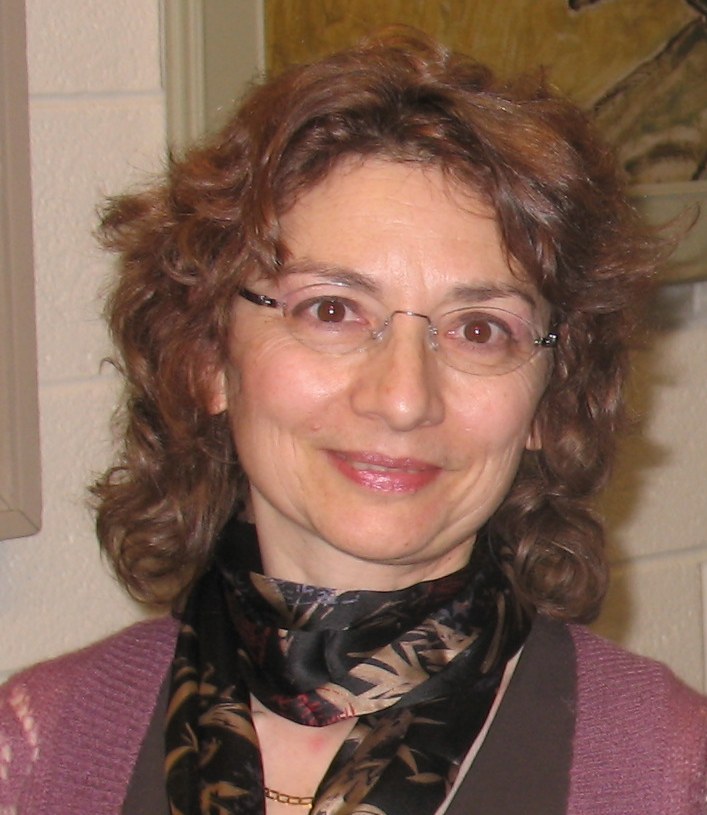
Prof. Catherine Sulem
RSC Fellow, Academy of Sciences
Affiliation: University of Toronto
Keywords: Mathematics, nonlinear waves, applied mathematics, partial differential equations
Induction Year: 2015
SULEM, Catherine, Department of Mathematics, University of Toronto
Catherine Sulem is one of Canada's most prominent and productive applied mathematicians. Her research on partial differential equations has made deep and lasting contributions to the understanding of wave propagation in fluids, optical systems and plasmas. Her predictions of singularities in optical fibres are internationally recognized as a major achievement. Her work presents the highest standards of mathematical analysis and its physical applications.
Catherine Sulem figure parmi les mathématiciens appliqués les plus reconnus et productifs du Canada. Ses recherches sur les équations aux dérivées partielles ont contribué profondément à l'étude de la propagation d'ondes dans les fluides, les systèmes optiques et les plasmas. Ses prédictions des singularités dans les fibre-optiques sont reconnues comme un résultat majeur. Son travail achève un niveau très haut d' analyse mathématique et applications à la physique.
Françoise Sullivan
RSC Fellow, Academy of the Arts and Humanities
Affiliation: Concordia University
Keywords: Art, peinture, danse, l'aventure poétique, l'inexprimable
Membre fondatrice du groupe automatiste et signataire de leur manifeste Refus global en 1948, Françoise Sullivan a fait sa marque d’abord comme danseuse et chorégraphe, plus tard en sculpture, en photographie et en performance, et, dans les vingt dernières années, en peinture. Des rétrospectives de ses œuvres ont eu lieu au Musée national des beaux-arts du Québec (1993), et au Musée des beaux-arts de Montréal (2003). Lauréate du Prix Paul-Émile-Borduas en 1987, elle détient des diplômes honorifiques de l’Université du Québec à Montréal et de l’Université York. Elle fut lauréate du Prix du Gouverneur général en arts visuels et en arts médiatiques de 2005.
Signataire du manifeste Refus global en 1948, Françoise Sullivan fut une des fondatrices de la danse moderne à Montréal. Après s’être imposée comme sculpteure, comme photographe et dans les arts de la performance dans les années 1960 et 1970, elle s’est tournée vers la peinture, créant des œuvres de grand format où elle explore les relations entre couleurs et luminosité.
Dr. Shirley Sullivan
RSC Fellow, Academy of the Arts and Humanities
Affiliation: The University of British Columbia
Keywords: Greek literature, Greek drama, homer, Greek lyric poets, early greek philosophy, Latin literature
LONG
Shirley Sullivan has received international acclaim for her contributions to one of the most complex and fundamental issues of intellectual history - the development of the cognitive process in the early Greeks. In six books and over sixty articles, she has developed a unique methodology by applying a psychological approach to her comprehensive knowledge of the Classical languages and literatures. Her work is of compelling interest to philosophers and psychologists as well as to classicists, and constitutes an indispensable resource for those engaged in the study of early thought.
SHORT
Shirley Sullivan has received international acclaim for her contributions to understanding the development of the cognitive process in the early Greeks. She has developed a unique methodology by applying a psychological approach to her comprehensive knowledge of the Classical languages and literatures. Her work constitutes an indispensable resource for those engaged in the study of early thought.
Dr. Rosemary Sullivan
RSC Fellow, Academy of the Arts and Humanities
Affiliation: University of Toronto
Keywords: Canadian, literature, biography, women, human rights
Induction Year: 2004
LONG
As the premier biographer of Canadian women writers, an inspiring teacher of Canadian literature, an important (and prolific) anthologist, a noted scholar of contemporary poetry and a prize-winning writer of it herself, Rosemary Sullivan has been a major figure in the promulgation as well as the creation of Canadian writing. She has lectured on our literature and read from her own work around the world, but en route she has nurtured an entire generation of young writers. As such public activity testifies, this is no ivory-tower academic; this is an engaged and engaging public intellectual, and an impressive and effective ambassador for Canada and for Canadian literature abroad as well as at home.
SHORT
Biographer of Canadian women writers, important anthologist, noted scholar of contemporary poetry and prize-winning writer herself, Rosemary Sullivan is a major figure in the promulgation and creation of Canadian writing. She has nurtured an entire generation of young writers. She is an engaged and engaging public intellectual, and an impressive and effective ambassador for Canada and for Canadian literature.
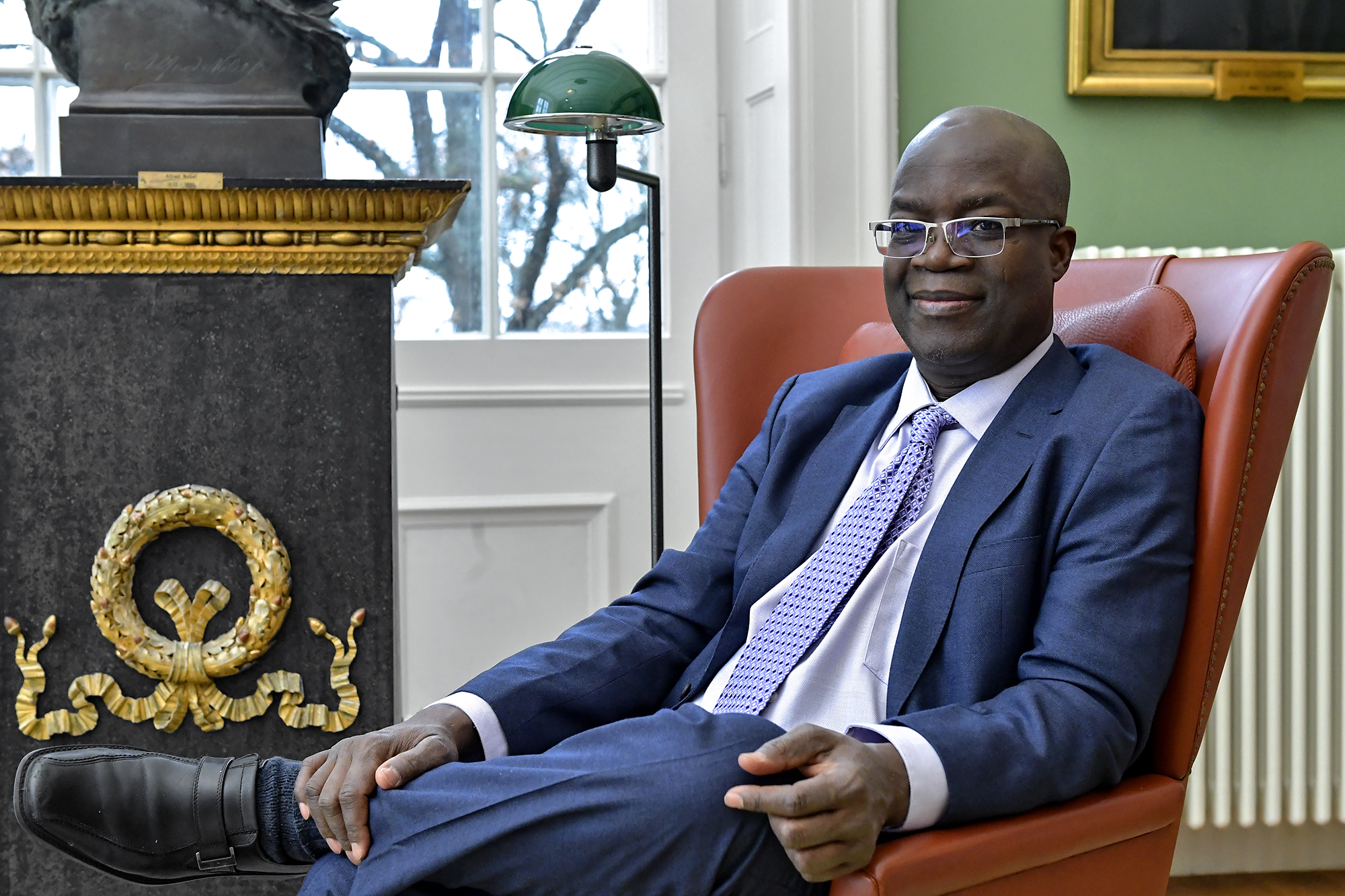
Prof. U. Rashid Sumaila
RSC Fellow, Academy of Sciences
Affiliation: The University of British Columbia
Keywords: Fisheries economics, marine biodiversity, ocean conservation
Induction Year: 2019
SUMAILA, Rashid – Institute for the Oceans and Fisheries, The University of British Columbia
Rashid Sumaila is one of the world’s most innovative researchers on the future of the oceans, integrating the social, economic and fisheries sciences to build novel pathways towards sustainable fisheries. His work has challenged today’s approaches to marine governance, generating exciting new ways of thinking about our relationship to the marine biosphere, such as protecting the high seas as a “fish bank” for the world and using “intergeneration discount rates” for natural resource projects.
Rashid Sumaila est l’un des chercheurs les plus novateurs au monde dans le domaine de l’avenir des océans, intégrant les sciences sociales, économiques et halieutiques pour créer de nouvelles voies vers une pêche durable. Ses travaux ont remis en question les approches actuelles relatives à la gouvernance marine, en suscitant de nouvelles façons de penser notre relation à la biosphère marine, telles que la protection des hautes mers en tant que « banque de poissons » pour le monde et l’utilisation de « taux d’actualisation intergénérationnels » pour les projets touchant aux ressources naturelles.
Dr. Danny Summers
RSC Fellow, Academy of Sciences
Affiliation: Memorial University of Newfoundland
Keywords: Theoretical space physics, plasma dynamics
Induction Year: 2011
Dr. Wayne Sumner
RSC Fellow, Academy of the Arts and Humanities
Affiliation: University of Toronto
Keywords: Ethical theories, bioethics, environmental ethics, political theory, legal theory
Sumner, with an interest and footing in applied ethics remarkable for a philosopher of great theoretical powers, has made outstanding contributions to the characterization and defence of utilitarianism; and
also to the analysis and firm delimitation of moral rights. On both subjects, and on the practical question of abortion as well, he has established himself as a leading figure in contemporary philosophical discussion.
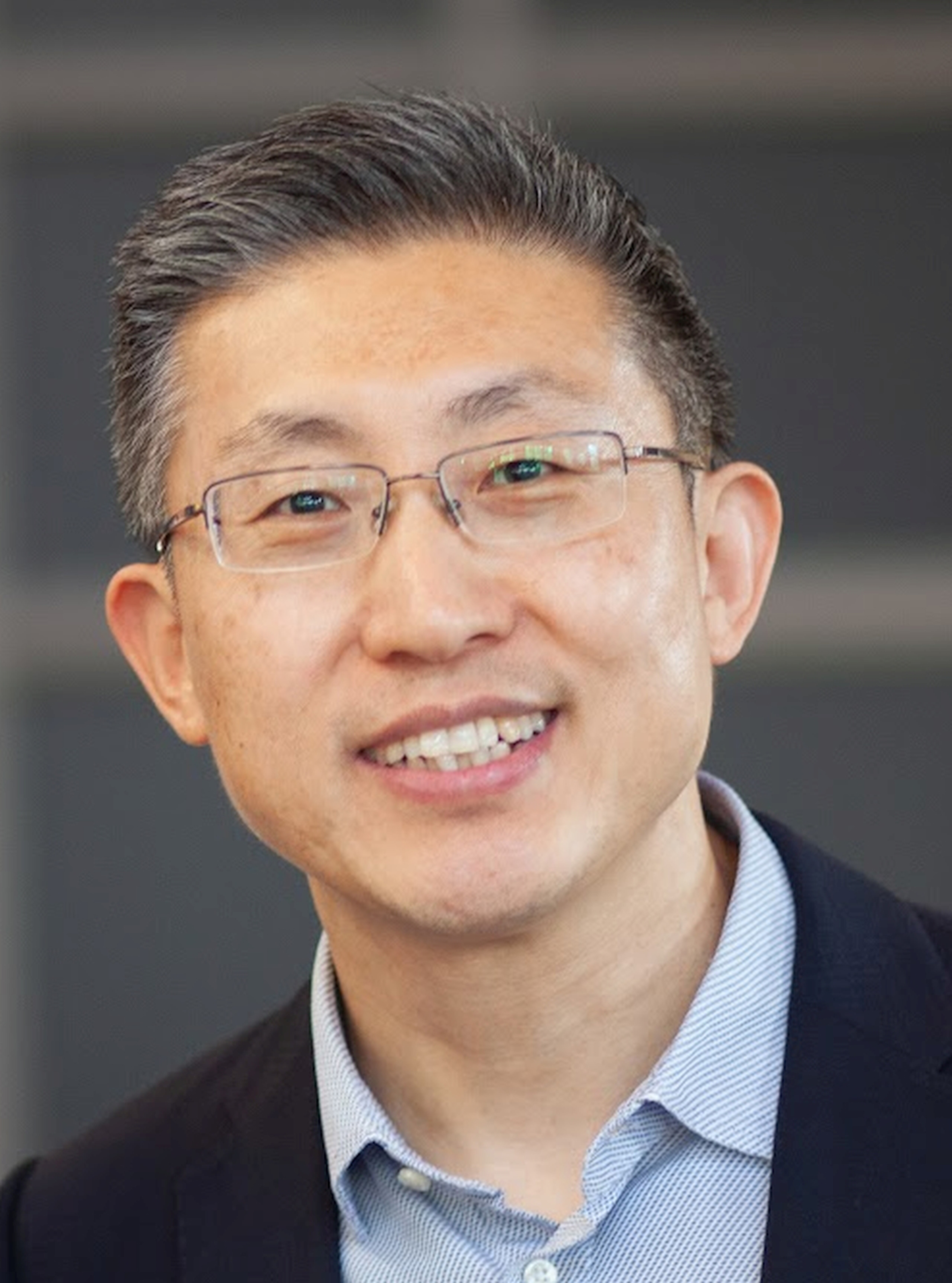
Prof. Yu Sun
RSC Fellow, Academy of Sciences
Affiliation: University of Toronto
Keywords: micro and nano robotics
Induction Year: 2019
SUN, Yu – Department of Mechanical and Industrial Engineering, University of Toronto
Yu Sun is an international leader in the field of micro/nano robotics. He spearheaded robotic cell manipulation and has made breakthroughs in clinical cell surgery and manipulation/measurement of cells, intracellular structures, and tissues for disease therapeutics, diagnostics, and drug screen. He has also contributed significantly to advances in cellular mechanobiology and the mechanics of nanomaterials via the development of enabling micro-nano instrumentation technologies.
Yu Sun est un leader international dans le domaine de la micro/nano robotique. Il a été le fer de lance de la manipulation des cellules robotiques et a fait des découvertes capitales dans le domaine de la chirurgie cellulaire clinique et de la manipulation et de la mesure des cellules, des structures intracellulaires et des tissus pour le traitement de maladies, le diagnostic et le dépistage des drogues. Il a également contribué de manière significative aux progrès de la mécanobiologie cellulaire et de la mécanique des nanomatériaux par le développement de techniques des instruments de mesure à l’échelle micro-nano.
Dr. Shuhui Sun
RSC Fellow, Academy of Sciences
Affiliation: Institut National de la Recherche Scientifique (INRS)
Keywords: Materials Science and Engineering, Nanotechnology, Clean Energy Devices and Engineering
Induction Year: 2024
Shuhui Sun is an internationally renowned expert in clean energy technologies. He has made important contributions to overcoming critical challenges in the clean energy sector, particularly in green hydrogen production, hydrogen fuel cells, and high-energy, safe and long-life batteries. He serves as Executive Editor-in-Chief and an editorial board member for over ten international scientific journals. He is a Fellow of the Canadian Academy of Engineering.
Shuhui Sun est un expert de renommée internationale dans le domaine des technologies énergétiques propres. Il a apporté d’importantes contributions à la résolution de problèmes critiques dans le secteur de l’énergie propre, notamment en ce qui concerne la production d’hydrogène vert, les piles à hydrogène et les batteries à haute énergie, sûres et à longue durée de vie. Il est rédacteur en chef et membre du comité de rédaction de plus de dix revues scientifiques internationales. Il est membre de l’Académie canadienne du génie.
Prof. Xueliang Sun
RSC Fellow, Academy of Sciences
Affiliation: Western University
Keywords: Materials, Li Batteries, Fuel Cells, Characterization, Properties, Materials Engineering, Nanotechnology, Clean Energy
Induction Year: 2016
SUN, Xueliang – Department of Mechanical and Materials Engineering, Western University
Xueliang (Andy) Sun is recognized for his innovative solutions for critical and long standing problems in clean energy using nanotechnology and creative engineering. He has invented nanosynthesis processes for electrocatalysts in fuel cells and electrode materials in Li-ion batteries to revolutionarily reduce cost and increase life-time. His patented technologies have been successfully transferred to a number of Canadian companies and led to the recent start-up of a company. His discoveries have been published in top science and engineering journals and resulted in high citations.
Xueliang (Andy) Sun est reconnu pour ses solutions novatrices aux problèmes critiques et de longue date en matière d’énergie propre en utilisant la nanotechnologie et le génie créatif. Il a inventé des processus de nanosynthèse pour les électrocatalyseurs dans les piles à combustible et les matériaux d’électrode dans les piles Li-ion pour réduire révolutionnairement le coût et accroître la durée de vie. Ses technologies brevetées ont été transférées avec succès à un éventail d’entreprises canadiennes et ont entraîné le démarrage récent d’une entreprise. Ses découvertes ont été publiées dans les meilleures revues scientifiques et d’ingénierie et ont été cites à maintes reprises.
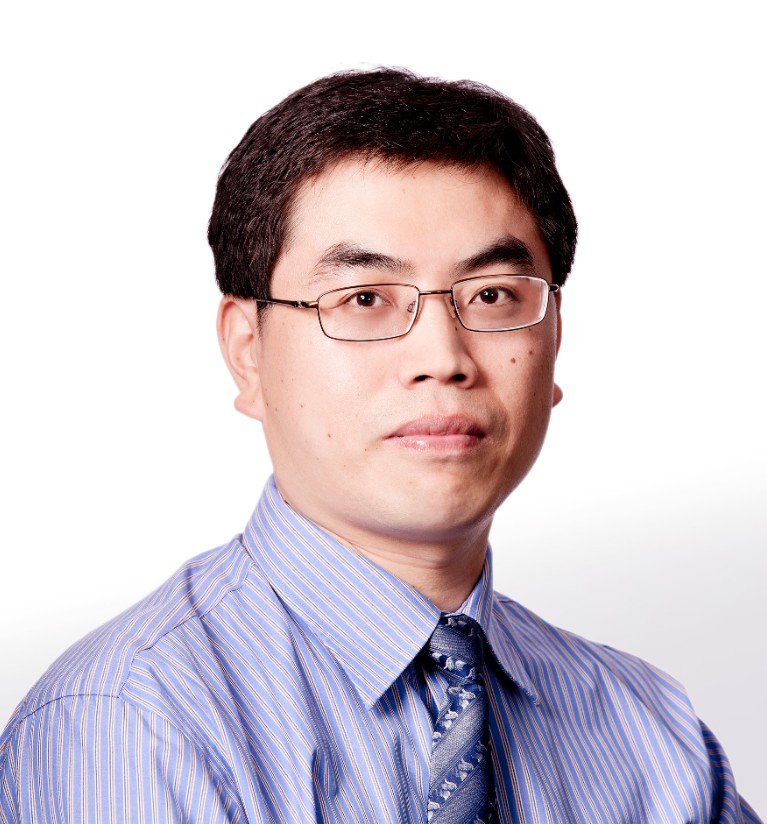
Prof. Shuhui Sun
RSC College Member
Affiliation: Institut nationale de la recherche scientifique
Keywords: Nanomaterials; Energy Conversion and Storage, Fuel Cells, Batteries, H2 production
Induction Year: 2020
Shuhui Sun is a full professor of Energy Materials and Telecommunications centre at INRS. He has made outstanding contributions to the development of advanced nanomaterials for next-generation fuel cell, battery and hydrogen production technologies. He authored more than 190 publications with over 12,000 citations and holds two patents. He serves as the Executive Editor-in-Chief of Electrochemical Energy Reviews (Springer-Nature), and editorial board member of 8 journals. He has established a world-class research laboratory and is a leader in his field, with a strong reputation, both nationally and internationally, for outstanding research, scholarship, and mentoring.
Shuhui Sun est professeur titulaire du centre Énergie Matériaux Télécommunications de l’INRS. Il a remarquablement contribué au développement de nanomatériaux avancés pour les technologies de production de piles à combustible, de batteries et d’hydrogène de prochaine génération. Il est l’auteur de plus de 190 publications avec plus de 12 000 citations et détient deux brevets. Il est le rédacteur en chef de Electrochemical Energy Reviews (Springer-Nature) et membre du comité de rédaction de 8 revues. Il a mis en place un laboratoire de recherche de classe mondiale et est un leader dans son domaine, ayant une solide réputation tant au niveau national qu’international pour ses recherches, ses bourses et son mentorat exceptionnels.
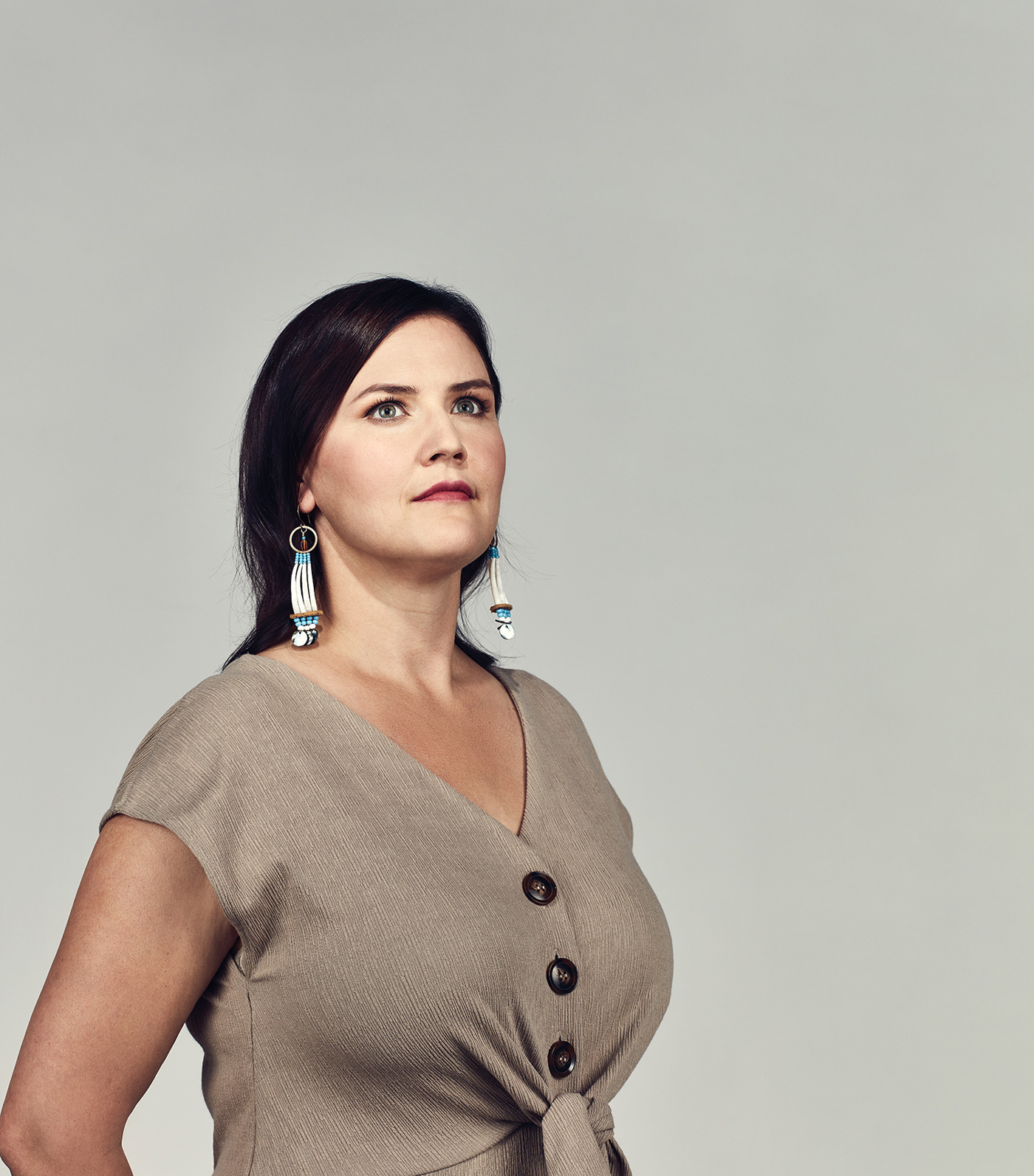
Prof. Kisha Supernant
RSC College Member
Affiliation: University of Alberta
Keywords: Unmarked graves; Archaeological remote sensing; Métis archaeology; Indigenous heritage research; Indigenous archaeology; Decolonization; Reconciliation and Archaeology; Northwest Coast archaeology; Indigenous historical archaeology; Digital archaeology; Mapping; GIS; Community-Based Archaeological Research; Cultural Landscapes; Identity; Defensive Sites; Heart-centered archaeological practice; Equity in archaeology; Intersectionality.
Induction Year: 2021
Dr. Kisha Supernant (Métis) is an internationally recognized Indigenous archaeologist. She is Director of the Institute of Prairie and Indigenous Archaeology and an Associate Professor of Anthropology at the University of Alberta. An award-winning teacher, researcher, and writer, her research focuses on Indigenous archaeology, archaeological remote sensing, and heart-centered archaeological practice. She is at the forefront of supporting Indigenous communities locate unmarked graves around residential schools in Canada.
Dr. Kisha Supernant (métisse) est une archéologue autochtone de renommée internationale. Elle est professeure agrégée d’anthropologie et dirige l’Institute of Prairie and Indigenous Archaeology à l’Université de l’Alberta, en plus d’être une enseignante, chercheuse et écrivaine primée. Ses recherches portent sur l’archéologie autochtone, la télédétection et les pratiques archéologiques centrées sur le cœur. Elle aide également les communautés autochtones à retrouver leurs proches disparus dans les pensionnats indiens au Canada.
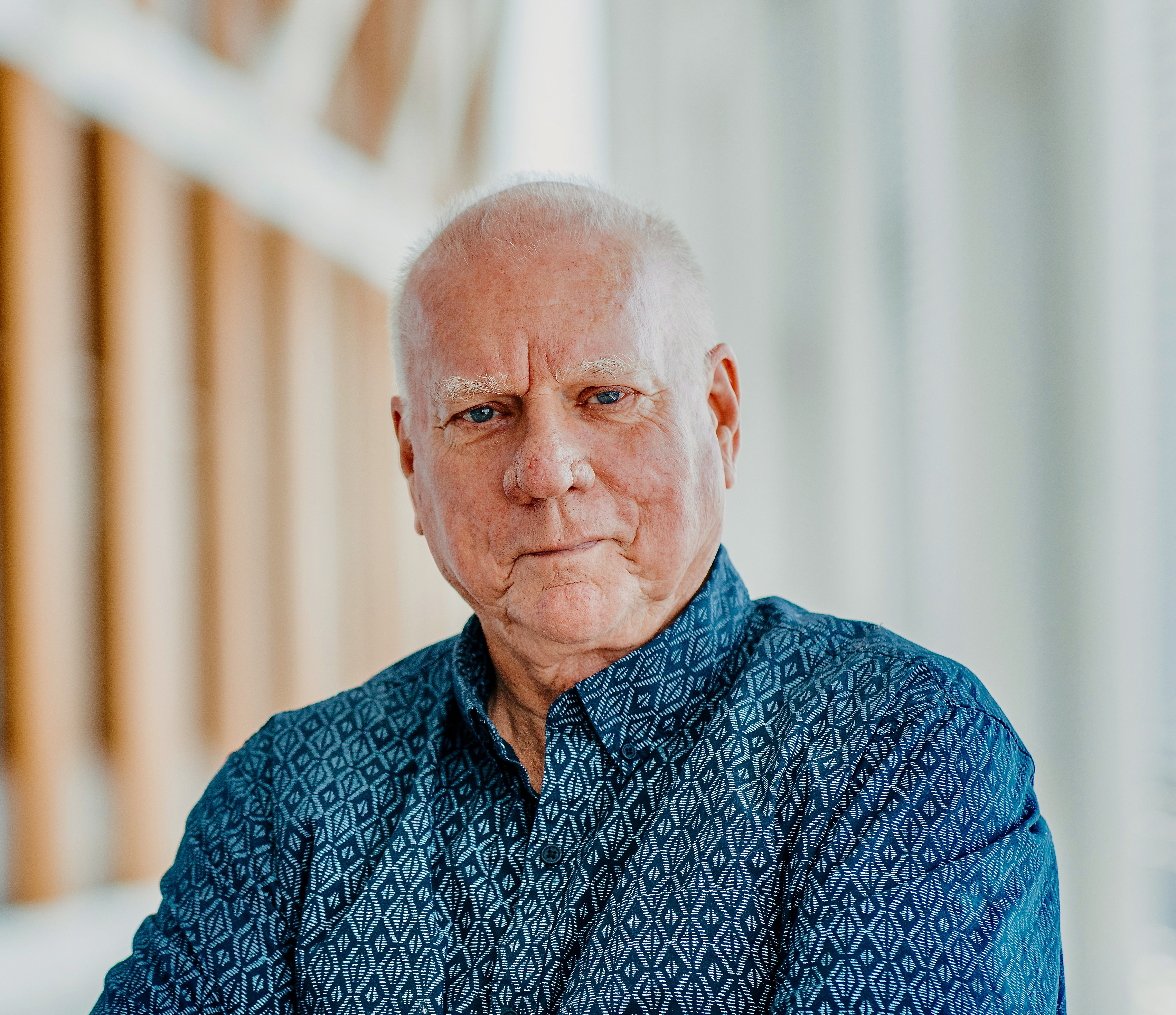
Prof. Robert Sutherland
RSC Fellow, Academy of Sciences
Affiliation: University of Lethbridge
Keywords: memory, amnesia, dementia, age-related cognitive decline, hippocampus
Induction Year: 2021
Rob Sutherland played a remarkable role in scientific leadership over the past thirty years. His work transformed the field of cognition and memory in animal models and humans by developing new ways of measuring cognition, new theories on the organization of long-term memory, and new understandings of loss and recovery of function after brain injury. His transdisciplinary approach led to many contributions that are transformative, most with very high impact.
Rob Sutherland est un leader scientifique remarquable depuis 30 ans. Il a transformé le domaine de la mémoire et cognition en innovant dans les mesures de la cognition, dans les théories sur l’organisation de la mémoire à long terme et dans la compréhension de la perte et de la récupération des fonctions après une lésion cérébrale. Son approche interdisciplinaire a ouvert la voie à des contributions transformatives très importantes.
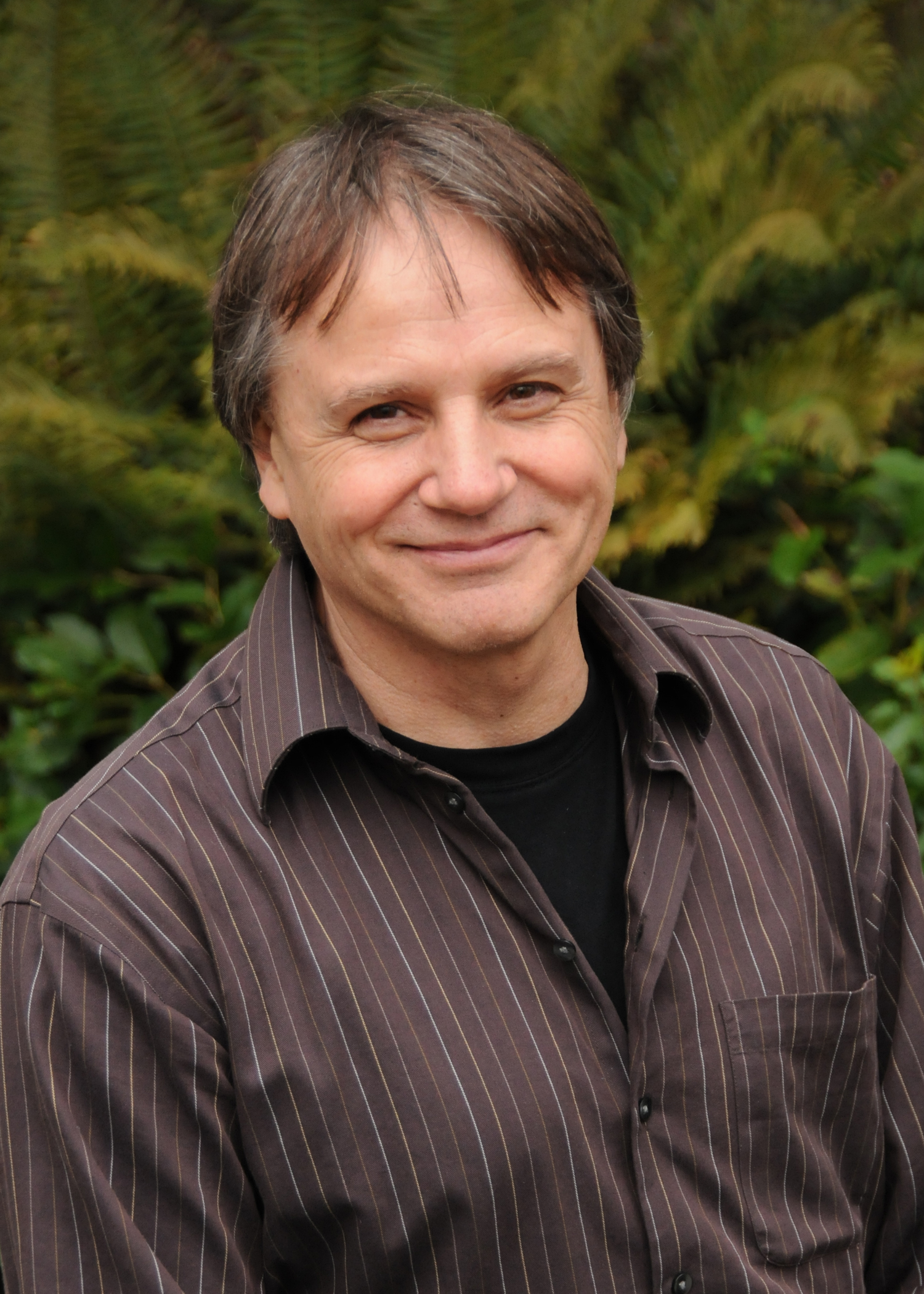
Prof. Curtis Suttle
RSC Fellow, Academy of Sciences
Affiliation: The University of British Columbia
Keywords: Aquatic Viruses, Marine Microbiology, Microbial Diversity
Long Citation (for publication and press release)
Professor Suttle has changed our understanding of biological oceanographic processes by being among the first to recognize the abundance of viruses in seawater (~50 million per ml) and their importance as major agents of mortality and drivers of global biogeochemical cycles. He has revealed the enormous diversity of viruses in the sea, and in the process has discovered several previously unknown types. His work has influenced thinking in disciplines ranging from biological oceanography, through microbial diversity to virology. His work continues to break new ground and redefine the field of environmental virology.
Short Citation (to be read at the Induction Ceremony)
Professor Suttle has changed our understanding of biological oceanographic processes by being among the first to recognize the abundance of viruses in seawater and their importance as major agents of mortality and drivers of global biogeochemical cycles. His work has influenced thinking in disciplines ranging from biological oceanography, through microbial diversity to virology and continues to break new ground.
Dr. Mark Sutton
RSC Fellow, Academy of Sciences
Affiliation: McGill University
Keywords: x-ray, diffraction, non-equilibrium statistical mechanics, visco-elasticity, phase transitions
Induction Year: 2010
Sutton, Mark - Physics - McGill University
Mark Sutton uses x-ray diffraction to study the time-dependent behaviour of materials. Using the new synchrotron x-ray sources, he has developed new methods to perform in-situ time-resolved measurements which probe matter on nanometer length scales and with millisecond time resolution. These measurements give unique insight into how such dynamics effects the every-day properties of materials.
------------------
Sutton, Mark - Physics - McGill University
Mark Sutton is an internationally renowned experimentalist who uses x-ray diffraction to study the behavior of non-equilibrium condensed matter. Using high intensity x-ray synchrotron radiation, he has developed techniques to perform time-resolved diffraction with millisecond time resolution to study the kinetics of phase transitions. He was also instrumental in developing and applying the important new technique of x-ray fluctuation spectroscopy. This technique exploits the unique properties of the coherent radiation from undulator sources, as well as recent developments in x-ray optics and detector technology to probe the structure of matter down to nanometer length scales and millisecond time resolutions.
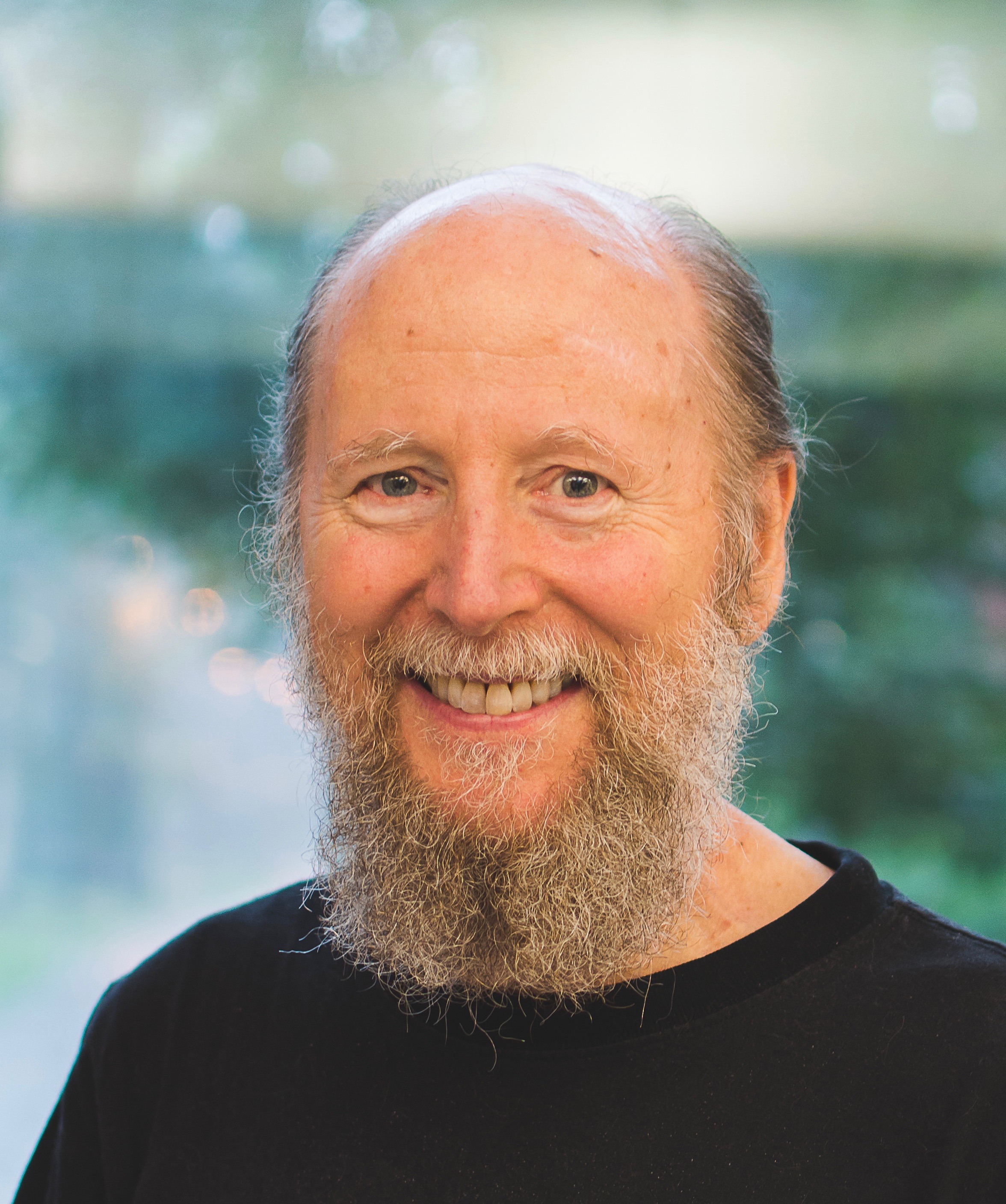
Prof. Richard Stuart Sutton
RSC Fellow, Academy of Sciences
Affiliation: University of Alberta
Keywords: Computing Science, Mathematics and Computer Sciences, machine learning, artificial intelligence, reinforcement learning
Induction Year: 2017
SUTTON, Richard – Department of Computing Science, University of Alberta
Richard Sutton did the foundational research to make reinforcement learning a powerful computational tool, with impact in computing science, neuroscience, and psychology. His temporal differences learning algorithm has been used to create self-learning systems for numerous academic and industrial applications.
Le travail de recherche fondamentale de Richard Sutton sur l’apprentissage par renforcement a permis de développer des outils de calcul puissant qui ont un impact majeur en informatique, en neuroscience, et en psychologie. Son algorithme d’apprentissage basé sur les différences temporelles a été utilisé pour développer des systèmes d’auto-apprentissage pour de nombreuses applications académiques et industrielles.
Darko R. Suvin
RSC Fellow, Academy of the Arts and Humanities
Affiliation: McGill University
Keywords: Intercultural studies, political epistemology, Brecht, theatre theory and history, utopian and science fiction
Darko R. Suvin, Ph.D. Zagreb University, has taught and published in the fields of theatre arts, English, and comparative literature in Yugoslavia, Italy, Belgium, Germany, the United States, U.K., and Japan; he taught 1968-2000 at McGill University. His writings include 34 books (translated into eight languages), 14 edited volumes, and over 200 major articles. He has a major interest in modern dramaturgy (Brecht, Japanese theatre), utopian and science fiction, political epistemology, and ex-Yugoslavia; many items and full vita with publications in Croatoserbian are available on http://darkosuvin.com/ and https://independent.academia.edu/DarkoSuvin/Papers He has received the Pilgrim Award for "Metamorphoses of Science Fiction", Yale UP 1979, and the L.T. Sargent Award for Distinguished Scholarship in Utopian Studies. Recent titles: Metamorphoses of Science Fiction, augmented edn., P. Lang, 2016; Splendour, Misery, and Potentialities: An X-ray of Socialist Yugoslavia, Brill, 2016, and Harvester P, 2017; Lessons from the Russian Revolution and Its Fallout, Rosa Luxemburg Foundation Southeast Europe, 2017; Communism, Poetry, Political Animal, 2020; Brecht’s Communist Manifesto Today. Aakar, 2020; Parables of Freedom and Narrative Logics: Positions and Presuppositions in Science Fiction and Utopianism, 2 Vols., P. Lang, 2021; Disputing the Deluge, Bloomsbury Academic, 2022; A Long Hope: The Prometheus Counter-Project.Ilha do desterro 76.2 (2023).
Prof. Cheryl Suzack
RSC College Member
Affiliation: University of Toronto
Keywords: Indigenous literatures, Indigenous studies, Indigenous law and humanities scholarship
Induction Year: 2017
Cheryl Suzack is a leading scholar undertaking ground-breaking research in the fields of Indigenous literature, Indigenous studies, and Indigenous decolonization. Her research focuses on Indigenous law and literature with a particular emphasis on writing by Indigenous women. In her monograph and scholarly publications she shows how Indigenous women’s writing from Canada and the United States addresses key social justice concerns including tribal membership, intergenerational residential school experiences, and land claims.
Cheryl Suzack est reconnue pour ses recherches révolutionnaires dans les domaines de la littérature et de la décolonisation autochtones. Les recherches de cette éminente spécialiste portent sur le droit et la littérature autochtones, et en particulier sur l’écriture des femmes autochtones. Dans sa monographie et ses publications, elle montre comment les récits des femmes autochtones au Canada et aux États-Unis abordent des questions fondamentales de justice sociale, telles que l’appartenance tribale, les expériences intergénérationnelles des pensionnats et les revendications territoriales.
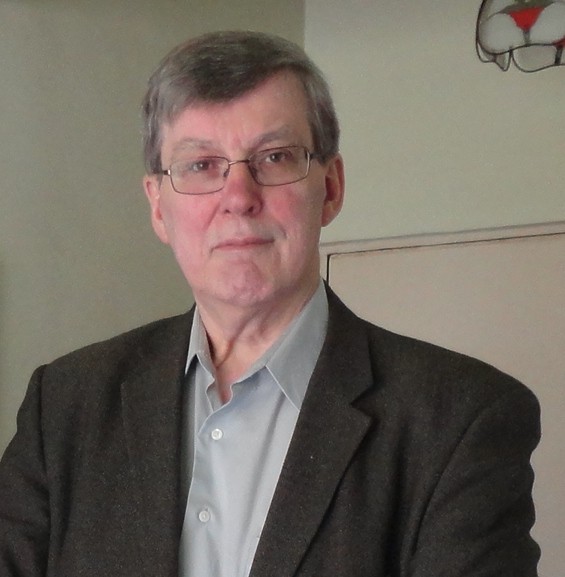
Prof. William Sweet
RSC Fellow, Academy of the Arts and Humanities
Affiliation: St. Francis Xavier University
Keywords: Idealism, Political Philosophy
Induction Year: 2017
SWEET, William - Department of Philosophy, St. Francis Xavier University
William Sweet is an internationally-recognized scholar of the idealist movement in 19th- and early 20th - century Britain. His careful, historically-grounded and innovative scholarship on this movement has led to a re-evaluation of the work of some of its key figures and of its bearing on contemporary political philosophy as a whole. The recipient of numerous awards and honours, he has been invited to present his work across the globe.
William Sweet est un chercheur de renommée mondiale spécialisé dans le mouvement de l’idéalisme du 19e et du
début du 20e siècle en Grande-Bretagne. Ses travaux rigoureux et innovants fondés sur des bases historiques sur ce
mouvement ont conduit à la réévaluation de travaux de certaines de ses personnalités clés et de son influence sur la
philosophie politique contemporaine. Récipiendaire de nombreux prix et honneurs, il a été invité à présenter ses
travaux dans le monde entier
Prof. Paul Sych
RSC Fellow, Academy of the Arts and Humanities
Affiliation: York University
Keywords: typography, graphic design, art direction, creative direction
Induction Year: 2020
SYCH, Paul - Department of Design, York University
With a renowned career of graphic expression spanning three decades, Paul Sych continues to create groundbreaking works in both digital and print that range across typography, branding, and motion design. His work has appeared in over 130 books and publications worldwide, and since being appointed to the Department of Design at York University, he has been celebrated with over 100 international art direction, design, and typography awards.
Dr. Brian Sykes
RSC Fellow, Academy of Sciences
Affiliation: University of Alberta
Keywords: NMR, structural biology, cardiovascular disease
Dr. Brian Sykes is a world leader in the application of nuclear magnetic resonance techniques to studies of the properties and mechanisms of action of a number of protein and enzyme systems. In recent years he has been using NMR to probe the structure, interactions and conformational changes within the major proteins of the thin filament of muscle such as actin, tropomyosin and troponin. He has also developed techniques designed to elucidate structural information in intact muscle fibres and he has studied calcium binding proteins in detail with particular emphasis on the roles of and structural variations within the helix and loop regions of their calcium binding sites. Also noteworthy are Dr. Sykes' contributions on the structure, orientation and mobility of membrane bound proteins such as the M13 gene 8 protein. His work is characterized by a superb balance between sophisticated application of well known NMR techniques and the more speculative development of new approaches. He has authored 350 publications and his outstanding scientific contributions have been recognized by his receipt of the Ayerst Award of the Canadian Biochemical Society and the E.W.R. Steacie Prize in Natural Sciences, both in 1982; the J.Gordin Kaplan Award for excellence in research (1992), and the Gerhart Herzberg Award of the Spectroscopy Society of Canada (1998). He was appointded to the rank of University Professor in 1997.