

You are here
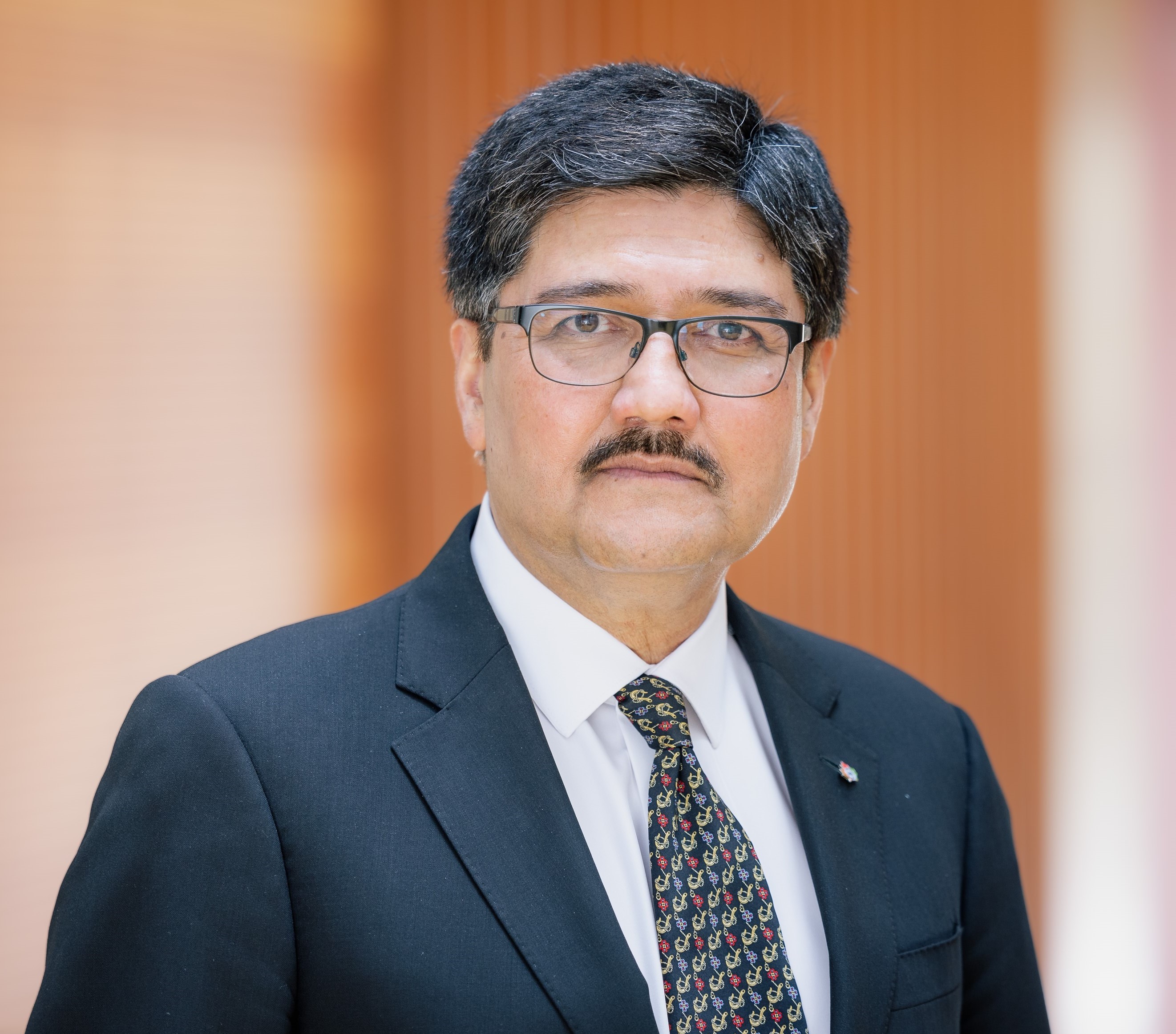
Prof. Nemkumar Banthia
RSC Fellow, Academy of Sciences
Affiliation: The University of British Columbia
Induction Year: 2011
Nemkumar Banthia is a Canada research Chair in Infrastructure Rehabilitation and a leading international expert on structural health monitoring, strengthening for seismic, blast and other catastrophic events and low carbon footprint construction materials. One of the most cited in the field, Dr. Banthia's research has enhanced the safety and sustainability of civil infrastructure all over the world.
------------------
Nemkumar Banthia is an internationally renowned civil engineer who specializes in the development of advanced and sustainable structural materials for application to civil infrastructure. Dr. Banthia's innovative and interdisciplinary research has had a major impact on engineering practice in Canada and abroad. His significant award-winning original contributions span numerous topics such as the blast resistance of concrete, fibre-reinforced concrete, the repair performance of cement-based materials, sprayed fibre-reinforced polymers for structural repair, the effects of global warming on concrete structures, the development of green concretes, and smart materials and sensors for structural health monitoring.
Prof. Xiaoyi Bao
RSC Fellow, Academy of Sciences
Affiliation: University of Ottawa
Keywords: Distributed Sensor technology, fiber communications, nonlinear scattering in fiber, photonic devices, birefrigence effects
Induction Year: 2009
Dr. Xiaoyi Bao, of the University of Ottawa has made outstanding contributions not only to the development of the sensing technology but also to the discipline of physics in general through her pioneering efforts on diagnosing the health of structures connects measured physical parameters with the status of the civil structures.
------------------
BAO, Xiaoyi –Department of Physics, University of Ottawa
Dr. Xiaoyi Bao has made exceptional contributions in distributed Brillouin sensors and their applications to civil structures as well as dynamic impairment emulator for evaluation and design of high speed communications systems. Her pioneering efforts on diagnosing the health of structures connects measured physical parameters with the status of the civil structures, which is instrumental in preventing the collapse of steel and concrete structures. She is making outstanding contributions not only to the development of the sensing technology but also to the discipline of physics in general.
Dr. Roberta Barker
RSC College Member
Affiliation: Dalhousie University
Keywords: Shakespeare, Canadian realism, illness, embodiment
Induction Year: 2014
Roberta Barker is an exemplary scholar producing rich and complex contributions to the study of early modern drama and of modern performance in Europe and Canada, most recently through her explorations of how the stage disseminates cultural ideas about health, illness and the body. An award-winning teacher as well as a director and dramaturge, Dr. Barker not only interprets and theorizes but also enacts her scholarship through practical theatre production.
Roberta Barker est une chercheuse exemplaire qui apporte des contributions riches et complexes à l’étude du théâtre et du cinéma modernes en Europe et au Canada, plus récemment en tentant de comprendre comment la scène diffuse des idées culturelles sur la santé, la maladie et le corps. Enseignante primée, réalisatrice et dramaturge, la Dre Barker s’intéresse non seulement à l’interprétation et à la théorie, mais elle diffuse son savoir dans des productions théâtrales.
Dr. Julian Barling
RSC Fellow, Academy of Social Sciences
Affiliation: Queen's University
Keywords: Organizational behaviour, leadership, psychology, management, well-being, Administration
Dr. Julian Barling is a world leader in organizational psychology renowned for accomplishing many "firsts" in his discipline. He was instrumental in debunking the myth that maternal employment negatively affects children's behaviour. He was also one of the first researchers to recognize the contribution of organizational behaviour research to health and safety, and workplace violence.
Martin Barlow
RSC Fellow, Academy of Sciences
Affiliation: The University of British Columbia
Keywords: Mathematics, probability, analysis, diffusions, Markov processes
Martin Barlow, Department of Mathematics, The University of British Columbia, is one of the world leaders in Probability Theory. He has made fundamental contributions to the general theory of stochastic processes, local times, measure-valued processes, and stochastic differential equations. His recent work has established him as the international leader in the study of diffusions and heat flow on fractals. He has obtained precise estimates on the heat kernels for a variety of singular self-similar sets including the Sierpinski gaskets and carpets. His recent Saint Flour Lectures give a definitive account of the subject and extend some of these fundamental estimates to a variety of other disordered media.
Dr. Jean Barman
RSC Fellow, Academy of the Arts and Humanities
Affiliation: The University of British Columbia
Keywords: History, British Columbia, Canada, aboriginal peoples, education
Jean Barman is a leading post-colonial and feminist scholar in British Columbia studies and the history of Canadian education. Her treatments of women and men, Europeans and First Nations in the nineteenth and early twentieth centuries have demonstrated that identities are constructed, and that the relationship of power and oppression is even more complex than we have previously imagined.
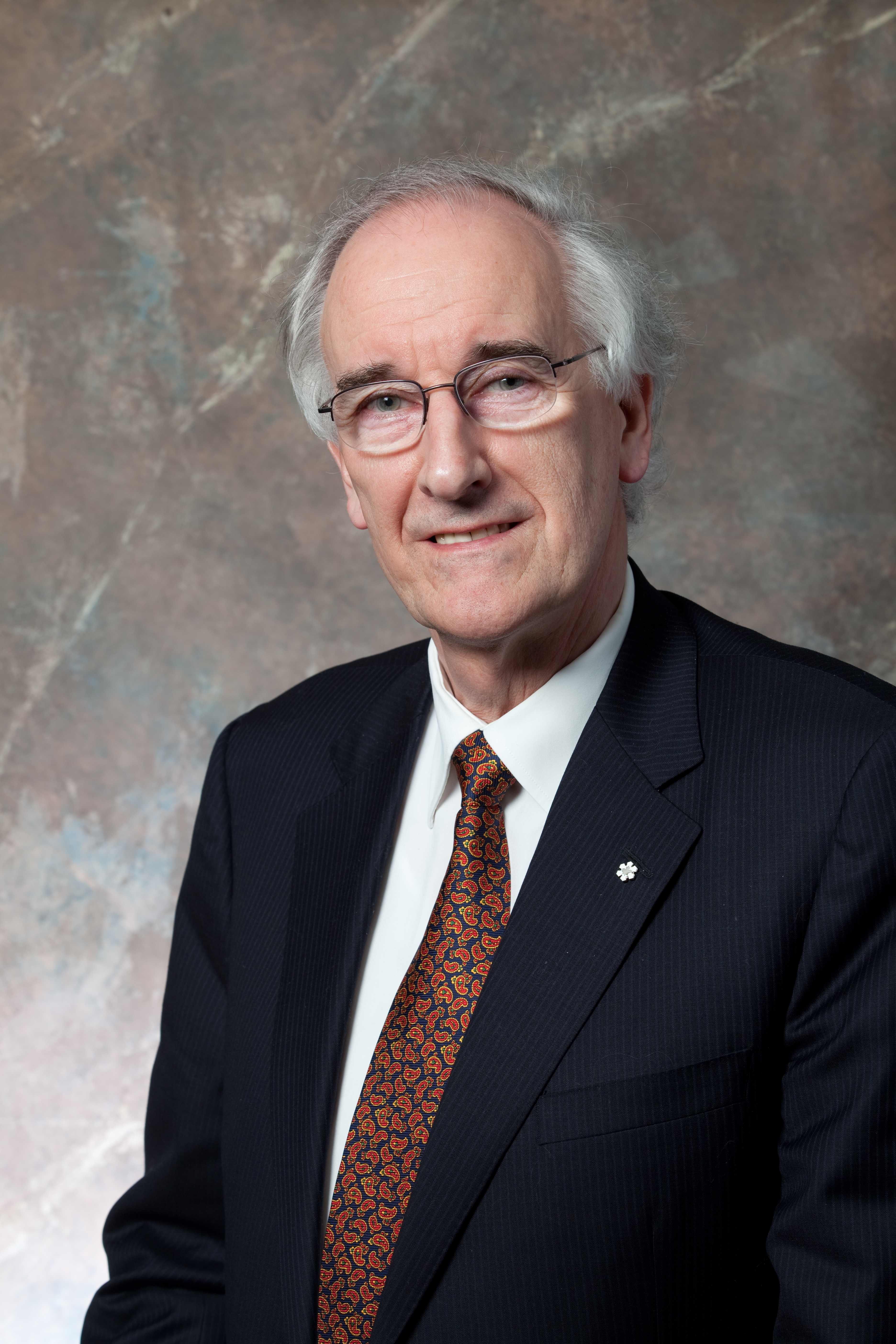
Dr. Christopher Barnes
RSC Fellow, Academy of Sciences
Affiliation: University of Victoria
Keywords: Calded ocean observatories, conodont micropaleontology, lower Paleozoic, stratigraphy, paleoceanography
C.R. Barnes is an expert on conodonts, animals of unknown biological affinities but of great importance in geological correlation. His pioneer TEM and SEM studies have produced a model for structure and evolution of apparatuses and a new notation scheme for conodont elements. He has erected a continental faunal scheme and his basic data have been important to mapping and hydrocarbon exploration in the Arctic. Spin off has included important contributions to paleoecology, including recognition of the nektobenthonic habitat of most conodonts.
He has been an exceptional leader in his own university and for the entire Canadian geoscience community.
Dr. Trevor John Barnes
RSC Fellow, Academy of Social Sciences
Affiliation: The University of British Columbia
Keywords: Economic geography, intellectual history, cities
Induction Year: 2011
Prof. Timothy Barnes
RSC Fellow, Academy of the Arts and Humanities
Affiliation: University of Toronto
Keywords: Later Roman Empire, theodosian code
Timothy Barnes' publication list and the reviews of his books speak for themselves. His work on Roman History, both Christian and pagan, has ranged over the whole imperial period from Augustus to the 5th Century A.D., but his most important contributions to date deal with the relations between political and ecclesiastical history and with complex matters of historiography. In particular his magisterial "New Empire" will be a standard work for decades and provides much of the necessary raw material for serious research on the crucial reign of Constantine. Internationally, Barnes is at the top of his field.
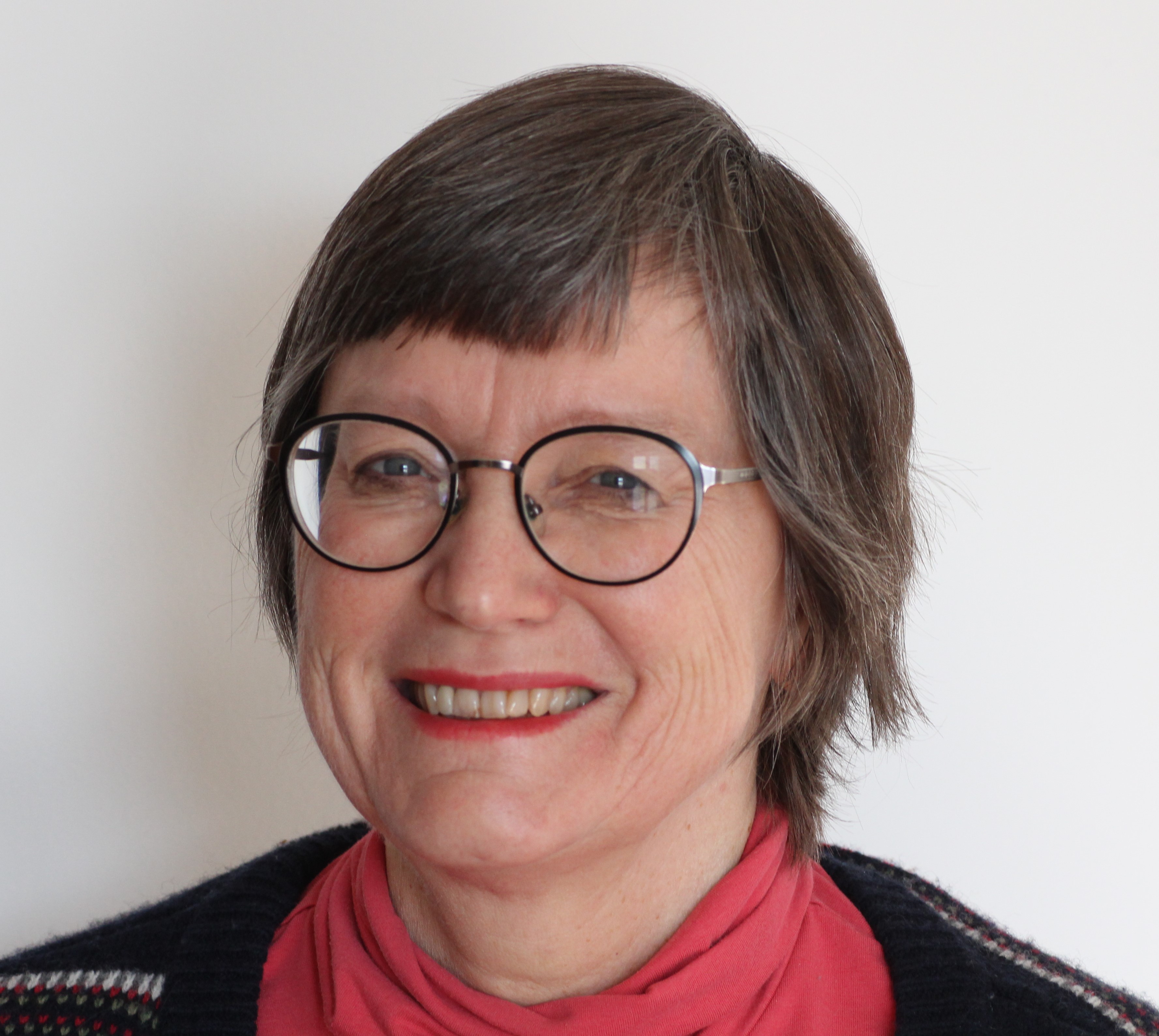
Prof. Sarah-Jane Barnes
RSC Fellow, Academy of Sciences
Affiliation: Université du Québec à Chicoutimi
Keywords: Earth Sciences, Geochemistry, Ore deposits
Induction Year: 2020
Sarah-Jane Barnes is a geologist specializing in the study of the composition of rocks and minerals in and around ore deposits. For her work she been awarded; a Canada Research Chair (Tier I), the Mineralogical Association Canada’s top medal and the Geological Association Canada’s medal for the study of ore deposits. In order to carry out this work she has developed a top-flight geochemical laboratory (LabMaTer) which host visiting researchers from around the world.
Sarah-Jane Barnes est une géologue spécialisée dans l’étude de la composition des roches et des minéraux dans et autour des gisements métallifères. Grâce à son travail, elle a été récompensée ; elle a reçu une Chaire de recherche du Canada (niveau I), la plus haute médaille de l’Association Minéralogique Du Canada et la médaille de l’Association géologique du Canada pour l’étude des gisements métallifères. Pour mener à bien ce travail, elle a développé un laboratoire géochimique de haut niveau (LabMaTer) qui accueille des chercheurs invités du monde entier.

Prof. Cheryl Barnabe
RSC College Member
Affiliation: University of Calgary
Keywords: Rheumatoid arthritis, Indigenous health, Health services research
Induction Year: 2020
Cheryl Barnabe is a Métis academic rheumatologist and clinical epidemiologist, who is leading clinical and research programs that are redefining specialty health services delivery to Indigenous patients living with arthritis. Having identified the high prevalence of rheumatologic conditions and outcome inequities for Indigenous patients, Dr. Barnabe is leading the delivery of a national cultural competency initiative in rheumatology, and implementing innovative models of care in both on-reserve and urban settings.
Cheryl Barnabe est une rhumatologue académique métis et une épidémiologiste clinique qui mène des programmes de recherche clinique redéfinissant la fourniture de services de santé spécialisés aux patients autochtones souffrant d’arthrite. Par l’identification d’une prévalence élevée de conditions rhumatologiques et de disparités de résultats chez les patients autochtones, Dr. Barnabe dirige une initiative nationale de compétences culturelles en rhumatologie et met en place des modèles de soins novateurs dans les réserves et en milieu urbain.
Dr. David Barnard
RSC Fellow, Academy of Sciences
Affiliation: University of Manitoba
Keywords: language theory; parsing algorithms; structure of texts
Induction Year: 2018
BARNARD, David, Department of Mathematical and Physical Sciences, University of Manitoba
Dr. Barnard has made significant contributions to Canadian society throughout his distinguished career. As President of the University of Manitoba he has led the institution to dramatically increase its research capacity, resulting in discoveries that have made significant global impact. He has championed the principles of diversity and inclusion both on campus and across the country, and has served on the boards of governance for many public and private organizations.
Dr. Barnard a contribué de manière significative à la société canadienne au cours de sa brillante carrière. Dans son rôle de président de la University of Manitoba, il a géré l’institution pour augmenter drastiquement ses capacités de recherche, résultant en des découvertes aux répercussions mondiales majeures. Il a défendu les principes de diversité et d’inclusion à la fois sur son campus et dans le pays et a servi au sein de comités de gouvernance pour de nombreux organismes publics et privés.
Prof. Luis Barreiro
RSC College Member
Affiliation: Université de Montréal
Keywords: Functional genomics, Immunity, Population genetics, Epigenetics
Induction Year: 2017
Luis Barreiro, Assistant professor at the Université de Montreal, is internationally recognized in the fields of evolutionary genetics and functional genomics of immune responses. His laboratory pioneered the use of population genomic data to characterize the genetic basis of inter-individual differences in immune response and susceptibility to infectious agents. He was named by the journal Cell as one of the “40 under 40” most promising investigators in the world.
Luis Barreiro, professeur adjoint à l’Université de Montréal, est reconnu dans le monde entier dans les domaines de la génétique évolutive et de la génomique fonctionnelle des réactions immunitaires. Son laboratoire est le premier à avoir utilisé des données génomiques sur la population afin de caractériser la base génétique des différences interindividuelles en matière de réaction immunitaire et de susceptibilité aux agents infectieux. Le Prof. Barreiro a été nommé par la revue Cell comme l’un des quarante chercheurs les plus prometteurs au monde.
Prof. Rowan Barrett
RSC College Member
Affiliation: McGill University
Induction Year: 2021
Rowan Barrett is Canada Research Chair in Biodiversity Science at McGill University and is internationally recognized for his work on the genetic basis of adaptation to changing environmental conditions and contemporary evolution. His research integrates theoretical and empirical approaches in population genomics, community ecology, and molecular genetics to solve key questions concerned with the reciprocal interactions between ecological and evolutionary processes in natural populations of diverse organisms.
Rowan Barrett est titulaire de la Chaire de recherche du Canada en science de la biodiversité à l'Université McGill. Il est reconnu sur le plan international pour ses travaux sur la base génétique de l'adaptation aux conditions environnementales changeantes et à l'évolution contemporaine. Ses recherches intègrent des approches théoriques et empiriques de la génomique des populations, de l'écologie des communautés et de la génétique moléculaire pour résoudre des questions clés relatives aux interactions entre les processus écologiques et évolutifs au sein des populations naturelles de divers organismes.
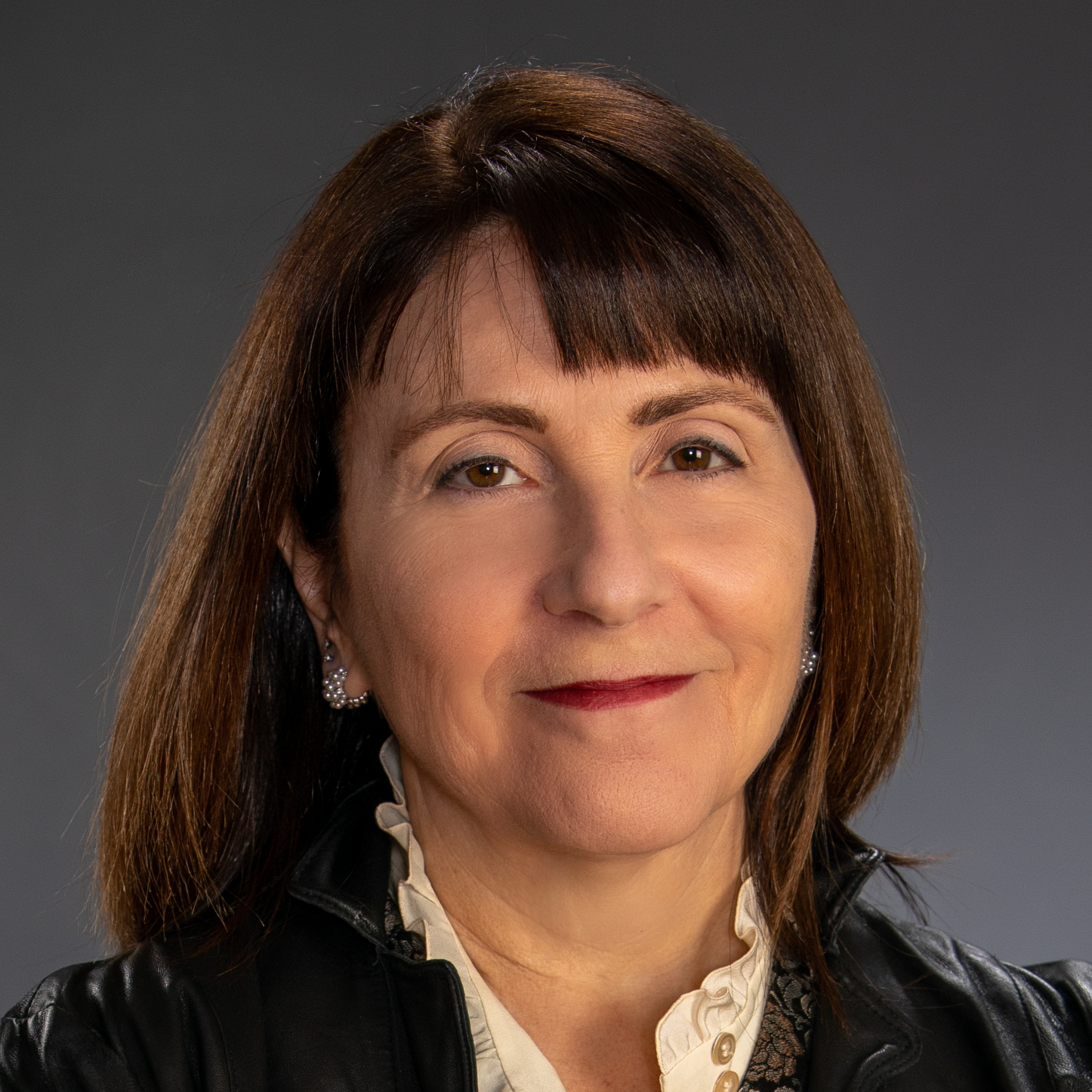
Prof. Lisa Barrett
RSC Fellow, Academy of Social Sciences
Affiliation: Northeastern University
Keywords: emotion, emotional experience, emotion perception, affective neuroscience, philosophy of mind
Induction Year: 2012
BARRETT, Lisa Feldman- Department of Psychology, Northeastern University
Lisa Feldman Barrett is an internationally recognized pioneer in the scientific study of emotion. Her work seamlessly integrates philosophy, psychology, and neuroscience. She is best known for her groundbreaking work on emotional experience in humans, and for demonstrating the importance of language in the ability to perceive emotional expressions. In a series of seminal conceptual papers that quickly became modern classics in the field, her work challenged dominant emotion models, leading a paradigm shift in the field.
BARRETT, Lisa Feldman - Département de psychologie, Northeastern University
Lisa Barret est reconnue internationalement comme pionnière de l’étude scientifique des émotions. Ses travaux intègrent la philosophie, la psychologie et les neurosciences. Elle est particulièrement réputée pour ses recherches innovatrices sur les émotions humaines, et pour avoir démontré l’importance du langage dans la capacité à percevoir l’émotivité. Elle a exposé ses concepts dans une série de publications qui sont rapidement devenues des classiques dans le domaine. Ses travaux ont remis en question les idées reçues à propos des émotions et ont entraîné l’adoption de nouvelles idées à ce propos.

Prof. Louise Barrett
RSC Fellow, Academy of Social Sciences
Affiliation: University of Lethbridge
Keywords: social cognition, evolutionary anthropology, primate behaviour, human behavioural ecology, Animal Cognition
Induction Year: 2016
BARRETT, Louise – Department of Psychology, University of Lethbridge
Louise Barrett has made original, internationally recognized contributions to evolutionary anthropology and comparative cognition. She has used synthetic reviews and empirical studies of both humans and wild primates to marshal the case for a unitary framework to the study of social cognition that both recognizes the transformation of human life by culture and emphasizes the unique aspects of other species’ cognition.
Grâce aux livres et aux dizaines d’articles qui ont un impact nettement important, le professeur de psychologie, Louise Barrett, à la réputation internationale, a apporté une contribution originale à l’anthropologie évolutive et à la cognition comparative.
Prof. Spencer Barrett
RSC Fellow, Academy of Sciences
Affiliation: University of Toronto
Keywords: Evolution, ecology, genetics, plant mating, invading species
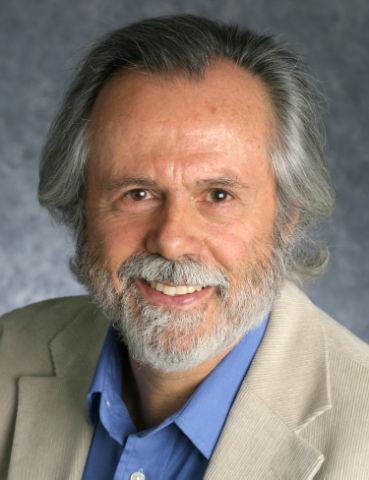
Spencer Barrett - Department of Botany, University of Toronto
A leading authority on the reproductive biology of flowering plants and one of the world's pre-eminent plant evolutionary biologists, Dr. Barrett's recent investigations provide the most compelling evidence for mechanisms governing evolutionary transitions in reproductive systems and for the contemporary evolution of local adaptation during biological invasions. His work pioneers a functional approach to plant reproduction, interpreting mating and its consequences within the broader context of life-history evolution.
Autorité de premier plan en biologie de la reproduction des plantes à fleurs et biologiste de l'évolution des plantes parmi les plus éminents au monde, Spencer Barrett a récemment mis au jour des données probantes sur les mécanismes régissant les transitions évolutives dans les systèmes de reproduction ainsi que sur l'évolution contemporaine de l'adaptation locale lors d’invasions biologiques. Ses travaux ouvrent la voie à une approche fonctionnelle de la reproduction des plantes, permettant d’interpréter leur croisement et ses conséquences dans le contexte plus large de l'évolution du vivant.
Dr. Anthony Barrett
RSC Fellow, Academy of the Arts and Humanities
Affiliation: The University of British Columbia
Keywords: Roman, history, archaeology, Latin, Julio-Claudian
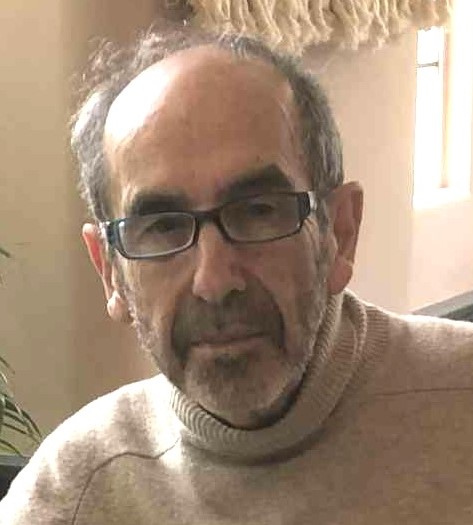
Anthony Barrett is a classicist whose principal area of interest is the Julio-Claudian period (31 BC - AD 68). Using a cross-disciplinary methodology that combines history and archaeology (including numismatics and epigraphy), he has published two historical biographies of first importance and has recently completed a third. These books, as part of the Imperial Biographies Series (Yale University Press), treat Caligula, Agrippina, and Livia. Barrett has also written three other books, and over 50 articles on various topics in the fields of literature, history, archaeology, numismatics, epigraphy, architecture, and astronomy. Barrett has been a most productive scholar, showing great versatility in interests and approach and offering new and original material to both the scholarly specialist and the general reader.
Dr. Leonard Barrie
RSC Fellow, Academy of Sciences
Affiliation: World Meteorological Organization
Keywords: Arctic pollution, aerosols, long-range-transport, contaminant pathways, pullutant removal.
Leonard Barrie is a world renowned atmospheric scientist whose pioneering research that has spanned the topics of acid rain, Arctic air pollution, ozone depletion, and climate change. His research has significantly advanced understanding of acid deposition, the behaviour of acidic gases and particles in the atmosphere, the origins and composition of Arctic haze including the pathways of organic and metal contaminants into the Arctic, ozone depletion in the Arctic troposphere and the role of aerosols in climate change. Dr. Barrie has published 121 journal papers and 10 book chapters, and plays a leading role in international air chemistry and climate programs.
Robin Barrow
RSC Fellow, Academy of the Arts and Humanities
Affiliation: Simon Fraser University
Robin Barrow, Dean of Education at Simon Fraser University, is the author of twenty books on Education, Philosophy, and Classics. His major contributions have been to Education. He is one of the most prominent philosophers of education in the world. His books have been widely influential, making distinctive and articulate arguments in two main areas; trenchant criticism of the poor quality of much educational research and staunch advocacy of the values of a liberal education in
contemporary Western societies. He has been a persistent champion of conceptual clarity in addressing Education, and a respected exemplar of what he has championed.
Dr. Bipasha Baruah
RSC College Member
Affiliation: Western University
Keywords: gender, global development, political economy, property rights, globalization, social innovation
Induction Year: 2015
Bipasha Baruah is the Canada Research Chair in Global Women’s Issues, and an associate professor of women’s studies and feminist research at Western University. Dr. Baruah conducts innovative interdisciplinary research on gender, development and globalization; women and work; and social, political and economic inequality. Her research on women and property ownership and women’s employment in renewable energy and resource efficiency has influenced policy within governments, financial institutions and non-governmental organizations.
Bipasha Baruah est la Chaire de recherche du Canada sur Les questions globales des femmes et professeure agrégée des Études féminines et de la recherche féministe à l'université de Western Ontario. Dr. Baruah mène des recherches innovatrices et interdisciplinaires sur le genre, le développement et la mondialisation; les femmes et le travail; et l'inégalité politique et sociale. Ses recherches sur les femmes et la propriété, et l'emploi des femmes dans l'énergie renouvelable et l'efficacité des ressources a influencé la politique chez les gouvernements, les institutions financières et les Organisations Non Gouvernementales.
Prof. Sylvia Beth Bashevkin
RSC Fellow, Academy of Social Sciences
Affiliation: University of Toronto
Keywords: Politics, women, social movements, political parties, public opinion
BASHEVKIN, Sylvia - Department of Political Science, University of Toronto
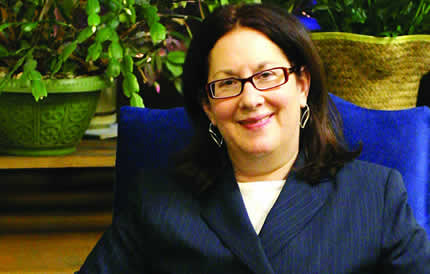
Sylvia Bashevkin is our nation’s top authority in the study of women and politics. By employing a comparative framework and innovative research design, she has illuminated women’s political struggles and triumphs and promoted a lively public discussion of women in political life. Wide-ranging, interdisciplinary, and methodologically sophisticated, her work has made a significant contribution to political science, women’s studies, sociology, and public policy.
Sylvia Bashevkin est la plus haute autorité canadienne pour ce qui concerne le rapport des femmes à la politique. À l’aide d’un cadre comparatif et d’un modèle de recherche novateur, elle a éclairé les luttes politiques féminines et leurs triomphes et elle a stimulé le débat public sur la participation des femmes à la vie politique. Ses travaux de grande envergure, interdisciplinaires et fondés sur une méthodologie complexe, ont contribué de façon importante aux sciences politiques, aux études des femmes, à la sociologie et aux politiques publiques.
Dr. Peter Allan Baskerville
RSC Fellow, Academy of the Arts and Humanities
Affiliation: University of Alberta
Keywords: Gender, Economy, Digital Databases, Family
Peter Baskerville stands as one of Canada's, and indeed the world's, leading historians engaged in inter-disciplinary research on the making of modern society. Some twelve books and more than fifty published essays are recognized for their ground-breaking, innovative, and meticulous scholarship. His on-going research includes studies of work, gender, and wealth formation that underpin the changing family in late-19th and early-20th century Canada. He is a leader in creating two enormous public-use samples of historical census data - the Canadian Families and the on-going Canadian Century Research Infrastructure projects - that are transforming historical, demographic, geographical, and sociological scholarship.
Prof. Nandita Basu
RSC College Member
Affiliation: University of Waterloo
Keywords: water quality, nutrient legacy, human impact, watershed
Induction Year: 2019
Nandita Basu, University Research Chair, is internationally recognized for seminal contributions to ecohydrology and water sustainability in human-impacted environments. Her ground-breaking work on the long-term effects of fertilizer and intensive livestock production on water quality has led to new understanding of the role nutrient legacies play in preventing achievement of water quality goals, and has helped to identify management approaches to improve water quality in lakes and coastal zones.
Nandita Basu, University Research Chair, est reconnue à l’échelle internationale pour ses contributions déterminantes à l’écohydrologie et à la durabilité de l’eau dans les milieux touchés par les activités humaines. Ses travaux novateurs sur les effets à long terme des engrais et de l’élevage intensif sur la qualité de l’eau ont permis de mieux comprendre le rôle que jouent les héritages d’éléments nutritifs dans l’entrave à la réalisation des objectifs de qualité de l’eau et ont aidé à définir de nouvelles approches de gestion pour améliorer la qualité de l’eau dans les lacs et les zones côtières.