

You are here
Dr. Edwin Cossins
RSC Fellow, Academy of Sciences
Affiliation: University of Alberta
Keywords: Plant biochemistry, folate synthesis, retired
In the short space of ten years, Dr. Cossins has established an enviable international reputation for productive research in the fields of amino acid metabolism and the role of folic acid derivatives in transmethylation and other types of one-carbon metabolism in the lower and higher plants. He or his associates have presented papers at two International Congresses and two International Symposia in the last two years. Dr. Cossins is an excellent teacher and counsellor of students. He is an active member in the affairs of several botanical and biochemical societies and is currently serving as an Associate Editor of the Canadian Journal of Botany. He is a fine scientist and one of the leading plant biochemists in Canada, today.
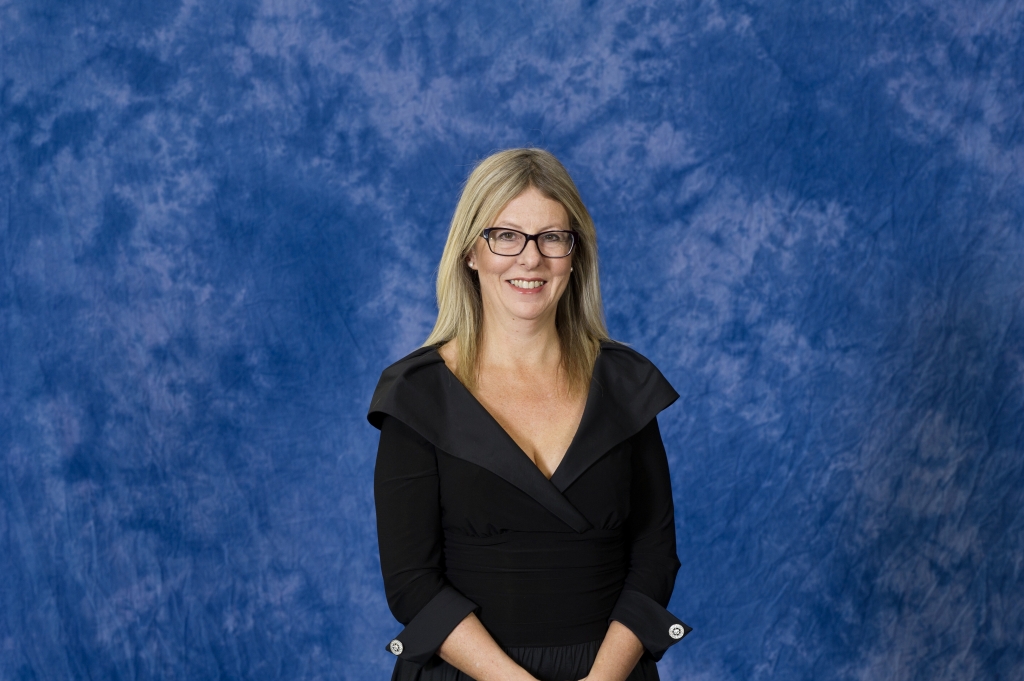
Prof. Brenda Cossman
RSC Fellow, Academy of Social Sciences
Affiliation: University of Toronto
Keywords: law, sexuality
Induction Year: 2012
COSSMAN, Brenda - Faculty of Law, University of Toronto
Brenda Cossman has achieved international recognition for her scholarship on issues that are fundamental to how Canadians see themselves, including freedom of expression, sexuality, and the legal regulation of intimate relationships. Across a broad range of disciplines and through a wide array of publications, including five books, a wealth of articles, newspaper columns, media interviews, and a number of law reform reports for governments, she has worked to make us think critically about how the law functions in the most public and private aspects of our lives, including the ways we value and experience family, intimacy, sexuality, and identity.
COSSMAN, Brenda - Faculté de droit, University of Toronto
Mme Cossman s’est forgé une réputation internationale avec ses études sur des sujets qui jouent un rôle fondamental dans la perception que les Canadiens ont d’eux-mêmes, dont la liberté d’expression, la sexualité et la régulation juridique des relations intimes. Par ses nombreuses publications, dont cinq livres, une foule d’articles et de chroniques dans les quotidiens, des entrevues dans les médias et plusieurs rapports sur la révision du Droit présentés aux gouvernements, elle a su nous pousser à porter un regard critique sur la façon dont notre système juridique affecte nos vies publiques et privées, dont nos conceptions de la famille, de l’intimité, de la sexualité et de notre identité.
Serge Courville
RSC Fellow, Academy of Social Sciences
Affiliation: Université Laval
Keywords: Géographie historique, géographie, histoire, espace, territoire, société rurale
Serge Courville, professeur à l'Université Laval, est un spécialiste de la géographie historique. Auteur ou co-auteur de près d'une dizaine de livres et d'une quarantaine d'articles et notes de recherche, il a apporté une contribution majeure tant à la connaissance du XIXe siècle québécois qu'à la pratique de la géographie historique et à celle de la multidisciplinarité. Il a véritablement introduit l'espace dans l'historiographie en soumettant l'étude de la socio-économie bas-canadienne aux paramètres de l'analyse spatiale; en particulier par son utilisation de la cartographie et celle du concept de territorialité dont il faut souligner la fécondité. Il a fait progresser la multidisciplinarité en amenant historiens, géographes, sociologues et anthropologues à travailler ensemble à partir d'approches novatrices. Par ailleurs, l'historiographie lui est redevable d'un réexamen du développement rural qui a stimulé l'étude du monde agricole et urbain; soulignons son apport substantiel à la connaissance de l'urbanisation d'avant 1850 par ses travaux sur la croissance villageoise. Sur un autre plan, son souci de développer des outils de recherche adéquats l'a amené à en préparer quelques-uns qui rendent d'inestimables services aux chercheurs. Son travail auprès des organismes subventionnaires et des associations témoigne de son implication dans le milieu. Ses travaux lui ont déjà mérité un certain nombre de prix : Alf Heggoy, Jean-Charles-Falardeau, Guy-Frégault et Lionel-Groulx. Il est directeur-fondateur du Laboratoire de géographie historique de l'Université Laval; il a aussi été co-directeur du Centre interuniversitaire d'études québécoises.
Mr. Jacques Courville
RSC Fellow, Academy of Sciences
Affiliation: Université de Montréal
Keywords: Sciences neurologiques; neuroanatomiste.
Jacques Courville, Chairman of the Department of Anatomy of the Université de Montréal, was trained in medicine and in neuroanatomy and has devoted his scientific life to studying the organization of the mammalian cerebellum and of its afferent and efferent connections, using a variety of experimental techniques. His research is characterized by a painstaking attention to detail, and discussion of the physiological significance of his anatomical observations is an important feature of his published papers. His work is greatly respected throughout the world and has had a considerable impact on understanding of the function of an important part of the central nervous system.
Harold Coward
RSC Fellow, Academy of the Arts and Humanities
Affiliation: University of Victoria
Keywords: Hinduism, comparative religion, Indian philosophy, environmental ethics, health care ethics
A professor of Religious Studies, Harold Coward's research has carried him widely into psychology, philosophy, and East Indian religious thought. The particular significance of his scholarship lies in the relations he has made in the historiography of world religions between eastern and western thought through his knowledge of both Jung and Derrida and is seminal in its understanding of the profound analysis that may be made in the area of the sacred. His work as an administrator of both a university and national level has been outstanding. Dr. Coward is among the foremost North American scholars
of religious studies.
Dr. Diane Cox
RSC Fellow, Academy of Sciences
Affiliation: University of Alberta
Keywords: Human genetics, liver disease, copper transport, serpin protease inhibitors
LONG
Her research led to significant advances in our understanding of metal transport. In 1993, she and her group cloned the gene for Wilson disease, a disorder of copper transport causing liver and brain damage. This was the first recognition of a specific membrane transporter involved in excretion of copper from the liver. Mutation detection and development of functional assays resulted in reliable molecular diagnosis. She has made major contributions in inherited liver diseases protease inhibitor imbalance, in mapping the immunoglobulin heavy chain, in lipoprotein disease and in the identification of a gene for schizophrenia. She led international efforts for mapping chromosome 14. She is Founder and Chair of the new Department of Medical Genetics, University of Alberta.
SHORT
Diane Cox did research that led to significant advances in our understanding of metal transport She and her group cloned the gene for Wilson’s disease, a disorder of copper transport causing liver and brain damage. This was the first recognition of a specific membrane transporter involved in excretion of copper from the liver.
Dr. Ann Marie Craig
RSC Fellow, Academy of Sciences
Affiliation: The University of British Columbia
Long Citation (for publication and press release)
Dr. Ann Marie Craig is internationally recognized for her pioneering contributions to the field of molecular and cellular neurobiology. She has made some of the most important advances in neuroscience in the past decade, and her fundamental contributions have established our present view of the structure of central nervous system synapses, the scaffolding and cell surface proteins responsible for receptor localization, and the dynamic regulation of receptor trafficking regulated by protein kinases. Her work has important significance for the development of new and effective therapies for numerous neurological and psychiatric diseases, including stroke, Alzheimer's, autism, schizophrenia, anxiety, and depression.
Short Citation (to be read at the Induction Ceremony)
Dr. Ann Marie Craig is internationally recognized for her pioneering contributions to the field of molecular and cellular neurobiology. She has made some of the most important advances in neuroscience in the past decade and her work has important significance for the development of new and effective therapies for numerous neurological and psychiatric diseases, including stroke, Alzheimer's, autism, schizophrenia, anxiety, and depression.
Dr. Fergus Craik
RSC Fellow, Academy of Social Sciences
Affiliation: University of Toronto
Keywords: Human memory, cognitive aginh, biingualism, dementia
Fergus Craik is one of the best known researchers and theorists in the world today on the subject of memory. His article, "Levels of processing: A framework for memory research" (written with Robert S. Lockhart) is universally recognized as one of the great classics of cognitive psychology. The levels-of- processing framework, elaborated and refined by Craik and his collaborators over the years, has exerted an enormous influence on the thinking of experimental and developmental students of memory.
Empirical research inspired by it has generated many fundamental findings and has led to a radical reappraisal of our knowledge concerning the workings of memory.
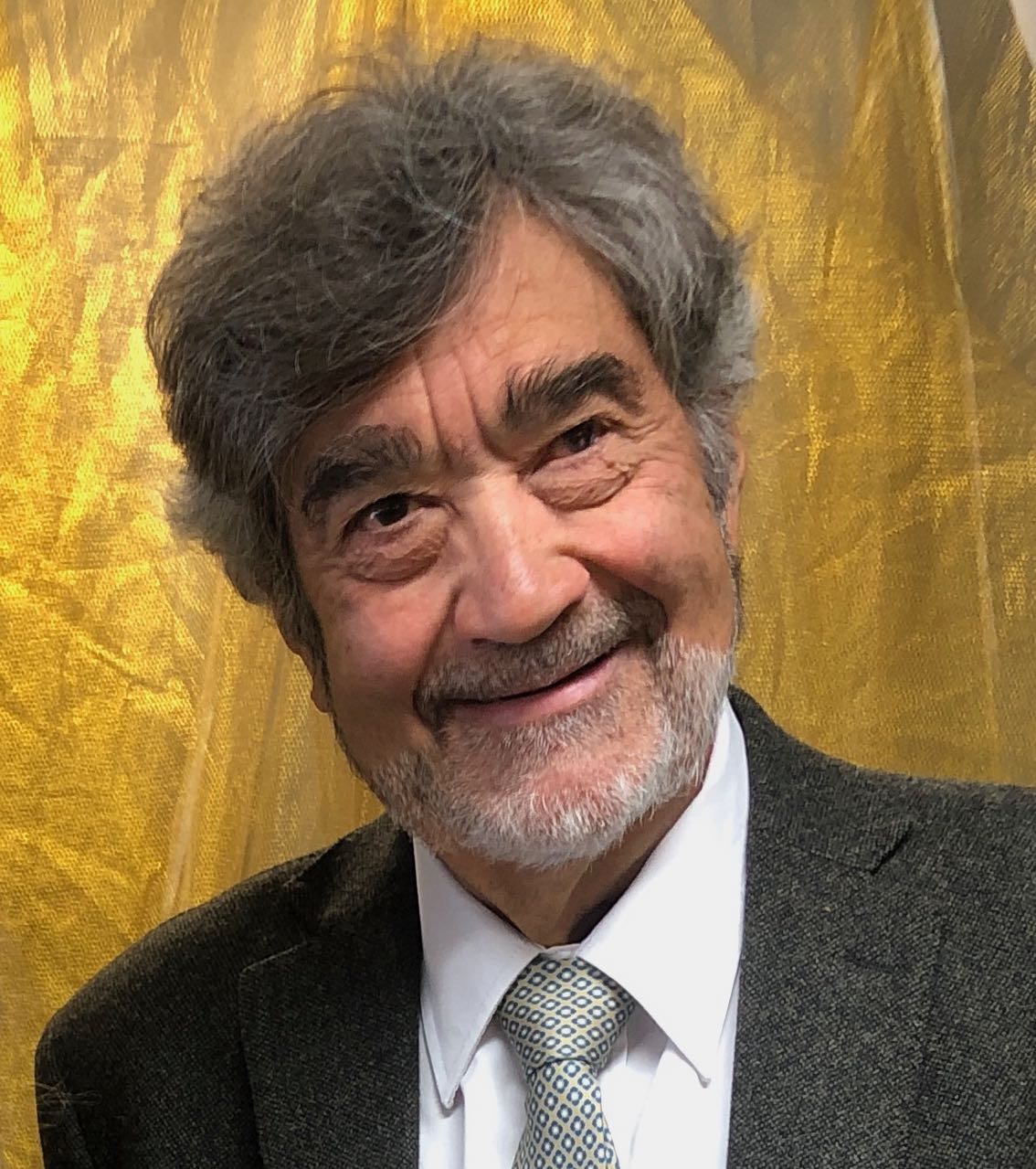
Prof. Teodor Gabriel Crainic
RSC Fellow, Academy of Social Sciences
Affiliation: Université du Québec à Montréal
Keywords: Recherche opérationnelle, optimisation, logistique, programmation mathématique, transport
Notice longue
Teodor Gabriel Crainic est un chercheur qui jouit d’une renommée internationale tant pour les travaux d'ordre théorique que pour les transferts technologiques qu'il a réalisés. En tant que chercheur opérationnel, il combine les outils mathématiques et informatiques afin de résoudre des problèmes complexes de gestion. Ses travaux ont permis d'identifier et d'exploiter des structures communes à plusieurs problèmes de transport et de logistique. Il a innové avec des méthodes originales d'optimisation et par des applications efficaces. Sa production scientifique est abondante et de haut calibre et ses travaux sont largement cités et utilisés. Ils constituent des références et font école.
Notice courte
Teodor Gabriel Crainic est un chercheur de renommée internationale. Il combine les outils mathématiques et informatiques afin de résoudre des problèmes complexes de gestion. Ses travaux ont permis d'identifier et d'exploiter des structures communes à plusieurs problèmes de transport et de logistique. Sa production scientifique est largement citée et utilisée.
Dr. Gary Crawford
RSC Fellow, Academy of Social Sciences
Affiliation: University of Toronto
Keywords: Archaeology, palaeoethnobotany, China, Japan, Ontario
Long Citation
Gary Crawford is a leader in the investigation of human-plant interaction in prehistory. Among his discoveries he demonstrated that the Ainu of Northern Japan were farmers, not hunter-gatherers as was presumed for well over a century, thereby also impacting views on Japanese origins. Crawford also led a team that discovered how and when agriculture developed in pre-contact Ontario. Most recently, he is the first to document the nature and timing of the development of North Chinese agriculture that early in its history relied on millets, legumes, rice and wheat. He has coauthored two general anthropology texts and developed and hosted an archaeology series for TVOntario.
Short Citation
Gary Crawford is a leader in the investigation of human-plant interaction in prehistory. He has made significant contributions to understanding agricultural origins in eastern North America, Japan and China. Among his discoveries he demonstrated that the Ainu of Northern Japan were farmers, not hunter-gatherers as was presumed for well over a century, thereby also impacting views on Japanese origins.
Prof. Robert Creaser
RSC Fellow, Academy of Sciences
Affiliation: University of Alberta
Keywords: Geology, Geochemistry, Geochronology, isotope geochemistry
Induction Year: 2009
Long Citation (for publication and press release)
Dr. Robert Creaser is a world leader in the field of geochronology, the science of absolute geologic time. He is internationally renowned for his prowess as an innovator and his pioneering research applying the rhenium-osmium chronometer to fundamental scientific problems in the Earth Sciences. His ground-breaking research into the origin of world-class gold deposits, the migration history and origin of crude oil, and the global correlation of sedimentary rocks have been landmark achievements. His innovative research contributions and leadership have brought international recognition to Canadian science.
Short Citation (to be read at the Induction Ceremony)
Dr. Robert Creaser is a world leader in the field of geochronology, the science of absolute geologic time. He is internationally renowned for his prowess as an innovator and his pioneering research applying the rhenium-osmium chronometer to fundamental scientific problems in the Earth Sciences. His innovative research contributions and leadership have brought international recognition to Canadian science.
Dr. Bernard Crespi
RSC Fellow, Academy of Sciences
Affiliation: Simon Fraser University
Keywords: Evolution, psychiatry, genomics, behaviour
Induction Year: 2010
Crespi, Bernard Joseph - Animal biology - Simon Fraser University
Bernard Crespi studies the evolution of social cooperation among all organisms from microbes to humans. His current work focuses on the evolutionary genomics of social-brain disorders in humans, such as autism.
------------------
Crespi, Bernard Joseph - Animal biology - Simon Fraser University
Bernie Crespi is one of the foremost evolutionary biologists in the world, renowned for both experimental and theoretical contributions. He discovered complex societies in an entirely new order of animals. His studies on them demonstrated the roles of both genetic relatedness and environment in the evolution of cooperative behavior. He developed and tested novel theory for the evolution of human mental illnesses. This work yielded the first robust predictive evolutionary framework to analyze the causes of autism, schizophrenia, and related conditions involving dysregulated development of the human social brain. His bold approach has conceptually unified distinct fields of biology.
Lorna Crozier
RSC Fellow, Academy of the Arts and Humanities
Affiliation: University of Victoria
Keywords: Writing poetry and creative non fiction
Induction Year: 2009
Lorna Crozier is a Governor General's Award Winning poet, essayist, teacher whose writing has gained national and international acclaim.Crozier's work has been widely anthologized, appearing in volumes used as university texts in Canada, the U.S., and Britain. Her creative non-fiction has been published in major anthologies, and she has read her work across the world.
------------------
CROZIER, Lorna –Department of Writing, University of Victoria
Lorna Crozier is a poet, essayist, teacher and mentor whose brilliant imagery has gained national and international acclaim. In 1992, Crozier's Inventing the Hawk won the Governor General's Award for poetry. She has authored 15 books of poetry; several are in third and fourth printings. Translations of her work are read the world over. Crozier's poetry has been widely anthologized, appearing in volumes used as university texts, including the Oxford Anthology of Canadian Literature and Open Field: An Anthology of Contemporary Canadian Poets. Her creative non-fiction has been published in major anthologies such as Dropped Threads, edited by Carol Shields. In 2009, Greystone Books published her first collection of prose, Small Beneath the Sky.
Dr. Richard Cruess
RSC Fellow, Academy of Sciences
Affiliation: McGill University
Keywords: Medical education, professionalism, health policy
Dr. Richard L. Cruess has established and developed the leading basic science laboratory for orthopaedic research in Canada. In addition, to stimulating an interest in research among undergraduate and past graduate students, Dr. Cruess has made important contributions to our basic knowledge of the pathogenesis and pathology of numerous musculoskeletal abnormalities including idiopathic avascular necrosis of the femoral head and the deleterious effects of prolonged administration of corticosteroids on bone and cartilage (a subject in which he is a world renowed authority). He has also investigated metabolic bone disease and lipids in bone with particular respect to Vitamin D and estrogens. Dr. Cruess is currently studying feasibility of transplantation of the epiphyseal (growth) plate in animals using microvascular techniques. His research has been consistently elegant, sophisticated and significant.
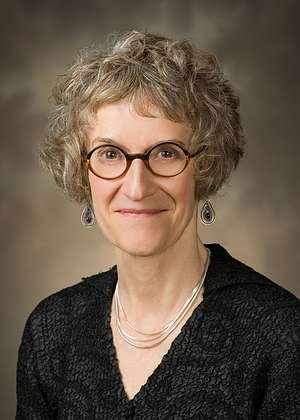
Julie Cruikshank
RSC Fellow, Academy of Social Sciences
Affiliation: The University of British Columbia
Keywords: Anthropology, oral tradition, subarctic, environmental studies
Induction Year: 2010
Cruikshank, Julie - Anthropology - University of British Columbia
Julie Cruikshank is an international leader in subarctic anthropology, particularly the living traditions of oral literature and storytelling in the Yukon Territory. Her publications trace the interplay between indigenous knowledge and narrative forms with experiences of landscape, colonialism, societal change and especially how differing cultural groups ‘‘know’’ the natural world and their own agency.
------------------
Cruikshank, Julie - Anthropology - University of British Columbia
Julie Cruikshank is an international leader in the anthropology of sub-Arctic peoples, particularly the living traditions of oral literature and storytelling. Her ethnographic experience is rooted in the Yukon where she lived for many years recording life and traditional stories of Athapaskan and Tlingit elders, particularly women. Her acclaimed publications sensitively trace the interplay between indigenous knowledge and narrative forms and experiences of landscapes, colonialism, and societal change. Her work has recovered aspects of indigenous history neglected in standard texts. She does so by raising fundamental questions of how differing cultural groups “know” the natural world and their own agency.
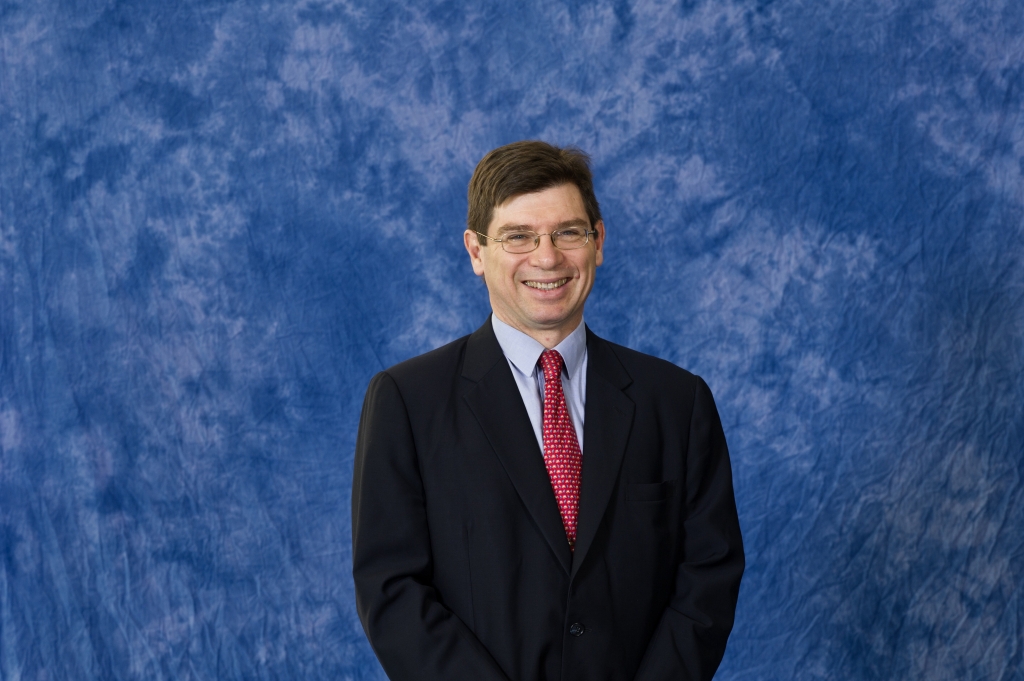
Prof. François Crépeau
RSC Fellow, Academy of Social Sciences
Affiliation: McGill University
Keywords: migrants, refugies, droits et libertés, droit international
Induction Year: 2012
CRÉPEAU, François - Faculty of Law, McGill University
Hans & Tamar Oppenheimer Professor in Public International Law and scientific director of the Centre for Human Rights and Legal Pluralism, Faculty of Law, McGill University. United Nations Special Rapporteur on the Human Rights of Migrants. Guest Professor at Université catholique de Louvain. Fellow 2008-2011 of the Pierre Elliott Trudeau Foundation. Member of several editorial boards: Journal of Refugee Studies, International Journal of Refugee Law, Refuge, Droits fondamentaux, Refugee Law Reader.
CRÉPEAU, François - Department of Law, McGill University
Professeur Hans et Tamar Oppenheimer en droit international public, directeur scientifique du Centre pour les droits de la personne et le pluralisme juridique, Faculté de droit, Université McGill. Rapporteur spécial des Nations Unies pour les droits de l’homme des migrants. Professeur invité à l’Université catholique de Louvain. Lauréat 2008-2011 de la Fondation Trudeau. Membre de comités éditoriaux : Journal of Refugee Studies, International Journal of Refugee Law, Refuge, Droits fondamentaux, Refugee Law Reader.
Miklós Csörgo
RSC Fellow, Academy of Sciences
Affiliation: Carleton University
Keywords: Probability theory, stochastic processes, mathematical statistics, strong and weak approximations, long-range dependence
Miklós Csörgö, Professor of Mathematics and Statistics at Carleton University has made outstanding contributions of fundamental importance to probability theory and mathematical statistics, and in particular has played a major role in the development of strong approximation methods and invariance principles. Over the past several years he has applied these techniques to weighted quantile and empirical processes, empirical reliability and concentration processes, and has obtained deep results on the increment structure and local time of random walks and the Wiener process. He has published three books and over 100 papers and has been awarded a Killam Senior Research Scholarship.
Dr. A. Claudio Cuello
RSC Fellow, Academy of Sciences
Affiliation: McGill University
A. Claudio CUELLO, Professor, Department of Pharmacology and Therapeutics, McGill University, has made significant contributions to neuroscience and neuropharmacology, developing new techniques for the cellular and subcellular localization of transmitter substances in the peripheral and central nervous system and introducing new concepts in the field. His work has significantly advanced the idea that small peptides can act as transmitter messengers in defined neuronal pathways; that neuron cell dendrites might release neurotransmitters; and that new synaptic contacts in the cerebral cortex of lesioned animals can be generated by the exogenous application of growth factors.
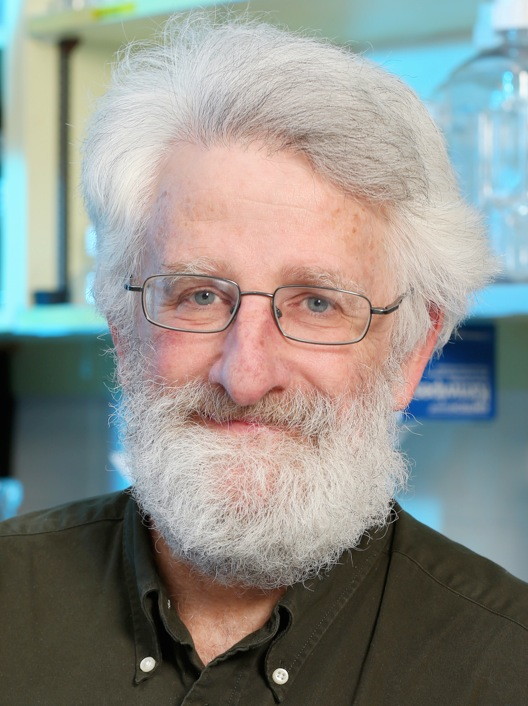
Dr. John Cullen
RSC Fellow, Academy of Sciences
Affiliation: Dalhousie University
Keywords: biological oceanography, ocean observing systems
Induction Year: 2012
CULLEN, John J. - Department of Oceanography, Dalhousie University
John Cullen has made fundamental and lasting contributions to our understanding of marine phytoplankton. They have included basic and applied contributions in fields as diverse as development of ocean observation technologies; the environmental impact of enhanced UV radiation arising from ozone depletion; the science and public policy underlying ocean fertilization; and the ecology, detection and management of harmful algal blooms.
CULLEN, John J. - Département d’océanographie, Dalhousie University
John Cullen a enrichi de manière fondamentale et durable notre compréhension du phytoplancton marin. Il a contribué à la théorie et à la pratique dans des disciplines aussi diverses que les technologies d’observation des océans; les répercussions sur l’environnement de l’augmentation des radiations UV entraînée par l’amincissement de la couche d’ozone; les aspects scientifiques et politiques sous-jacents à la fertilisation des océans ou l’écologie, la détection et la gestion des efflorescences algales nuisibles.
Dr. Pieter Cullis
RSC Fellow, Academy of Sciences
Affiliation: The University of British Columbia
Keywords: Cancer chemotherapy, drug delivery, biomembranes, liposomes, gene therapy
LONG
Pieter Cullis is a scientist whose research has been focused on understanding the roles of lipids in biological membranes and the development of model membrane systems (liposomes) with applications in cancer chemotherapy. His work has led to the development of two liposomal formulations of drugs that have been approved by regulatory agencies for the treatment of the fungal infections often associated with cancer chemotherapy and for the treatment of metastatic breast cancer. In addition, two other liposomal drugs based on his work are in clinical development for the treatment of non-Hodgkin's lymphoma and metastatic melanoma.
SHORT
Pieter Cullis’ research is on the role of lipids in biological membranes and the development of model membrane systems (liposomes) with applications in cancer chemotherapy. His work has led to the development of two drugs for the treatment of the fungal infections often associated with cancer chemotherapy and for the treatment of metastatic breast cancer.
Mr. Joseph Culotti
RSC Fellow, Academy of Sciences
Affiliation: University of Toronto
Keywords: Nervous System, Development, Cell migration, Axon Guidance, C. Elegans
Long Citation
Dr. Joseph Culotti has done pioneering work in the field of axon guidance for decades, leading to our present understanding of the molecular cues that control axon pathfinding. In an elegant series of experiments, Dr. Culotti has identified and molecularly characterized many genes in the nematode worm C. elegans that regulate the behaviour of axon growth cones. One of these genes, unc-6, encodes a secreted axon guidance cue protein, while unc-5 and unc-40 encode transmembrane receptors that mediate either repulsive or attractive responses to unc-6. This work has provided fundamental insight into the way in which an animal nervous system is wired up. Furthermore, it transpires that these same genes are involved in other types of cell movement; Dr. Culotti has therefore revealed a central process for directing cell migration. The genes originally identified by Dr. Culotti in C. elegans are conserved in evolution and apparently play a key role in formation of the mammalian brain and spinal cord. Dr. Culotti's findings therefore, have important implications for understanding nerve regeneration. Dr. Culotti's present work is focused on understanding the signaling pathways that control the cytoskeleton in the axon growth cone. Dr. Culotti has an extensive history of scientific achievement, starting with his earliest work in the 1970s that led to the first identification of the genes that regulate the eukaryotic cell cycle. He is among Canada's foremost geneticists and developmental neurobiologists.
Short Citation
Joseph Culotti has done pioneering work in the field of axon guidance for decades, leading to our present understanding of the molecular cues that control axon path finding. His present work is focused on understanding the signaling pathways that control the cytoskeleton in the axon growth cone. Dr. Culotti has an extensive history of scientific achievement, starting with his earliest work in the 1970s that led to the first identification of the genes that regulate the eukaryotic cell cycle. He is among Canada's foremost geneticists and developmental neurobiologists.
Dr. Philip Currie
RSC Fellow, Academy of Sciences
Affiliation: University of Alberta
Keywords: Dinosaurs, cretaceous, birds (their origins), palaeobiology, evolution
Philip J. Currie, Royal Tyrrell Museum of Palaeontology, Drumheller, Alberta, is a palaeontologist whose work focuses on the detailed anatomy, mode of life, and evolutionary relationships of dinosaurs in North America, South America and Eurasia (particularly China and Mongolia). His scientific studies have changed the direction of research in his field and pioneered new and fresh insights, ideas and theories about how dinosaurs became established and how they flourished in Mesozoic times. Currie's recent find, with Chinese colleagues, of bipedal dinosaurs with feathers in northeastern China virtually establishes that theropod dinosaurs are most likely to be the ancestors of birds. His discoveries on the evolution and life habits of Jurassic and Cretaceous dinosaurs have appealed to young and old.
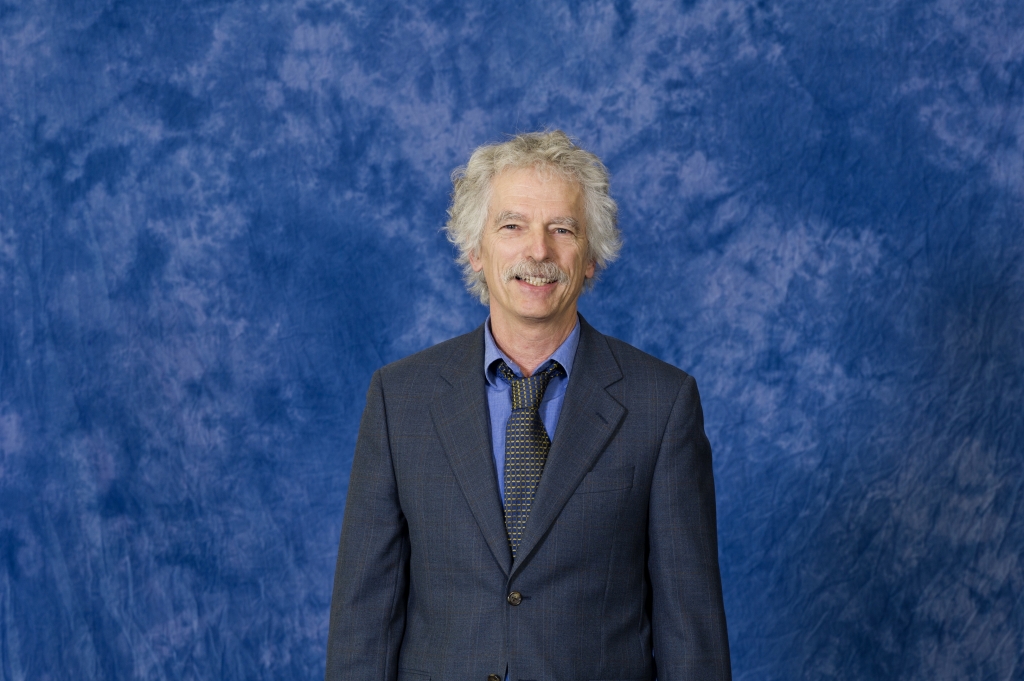
Dr. Bruce Curtis
RSC Fellow, Academy of Social Sciences
Affiliation: Carleton University
Keywords: historical sociology, state formation, social theory, music
Induction Year: 2012
CURTIS, Bruce - Department of Sociology and Anthropology, and Department of History, Carleton University
Bruce Curtis’s work extends from the history of weights and measures to the contemporary regulation of youth sexuality, and from the politics and practices of census-making in nineteenth century Canada and the development of schooling in Quebec to the sociology of African-American music.
CURTIS, Bruce - Département de sociologie et d’anthropologie et département d’histoire, Carleton University
Les recherches de Bruce Curtis s’intéressent à des questions variées allant de l’histoire des poids et mesures à la régulation contemporaine de la sexualité juvénile; des politiques et pratiques en matière de recensement au Canada du dix-neuvième siècle jusqu’au développement de l’éducation au Québec, en passant par la sociologie de la musique afro-américaine.
Dr. Max Cynader
RSC Fellow, Academy of Sciences
Affiliation: The University of British Columbia
Keywords: Brain research, development, vision, neuroplasticity, gene therapy
Max Cynader is widely regarded as among the ablest experimentalists working on the visual system.He has made important contributions in the general area of the plasticity and development of the neural system governing vision. His work, characterised bv rigour, creativity and a search for unifying principles, has illuminated our understanding of stereopsis and the processsing of visual information by the central nervous system. Dr. Cynader more recently has been extending his conceptualization to include the auditory system and the dynamic localization of sound.