

You are here
Dr. Mohini Sain
RSC Fellow, Academy of Sciences
Affiliation: University of Toronto
Induction Year: 2021
Mohini M Sain is known globally for his transformative role in the development and commercialization of low carbon technology. One of world’s earliest proponents of renewable functional materials, Sain’s seminal research on the bioengineering science of micro/nanocellulose, lignin and polysaccharides, has helped form the foundation of today’s multi-billion dollar global wood composite industry. Sain’s award-winning discovery of in-situ hyper-low temperature exfoliation of 3D-natural materials has garnered acclaim from global manufacturers.
Mohini M Sain est mondialement connu pour son rôle transformateur dans l'innovation et la commercialisation des technologies à faible teneur en carbone au cours des 30 dernières années de sa carrière professionnelle. Champion de la mise en œuvre mondiale d'une industrie du bois composite de plusieurs milliards de dollars, M. Sain a apporté une contribution exceptionnelle à l'ingénierie des matériaux fonctionnels à base de carbone renouvelable, notamment matériau d'exfoliation 2D.
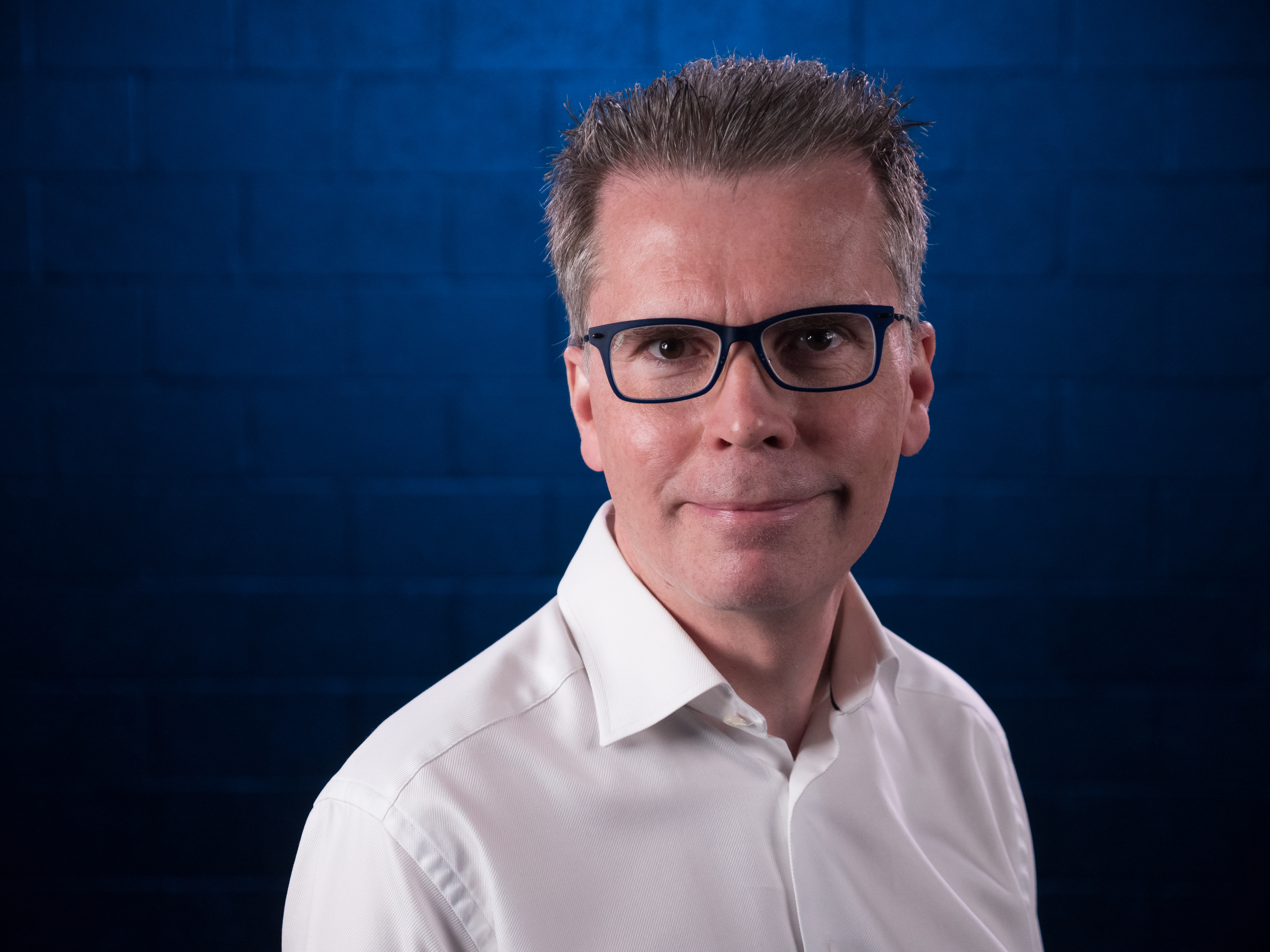
Prof. Jean Saint-Aubin
RSC Fellow, Academy of Social Sciences
Affiliation: Université de Moncton
Induction Year: 2022
Professor Jean Saint-Aubin is a world-renowned expert whose creative work on the interface between short- and long-term memory representations has challenged conventional wisdom and opened the door to new conceptualizations. In addition, his work on reading, with its innovative eye movement-based approach, has opened a new field of study on parent-child reading.
Le professeur Jean Saint-Aubin est un spécialiste mondialement reconnu dont les travaux créatifs sur l’interface entre les représentations en mémoire à court et à long terme ont bousculé les idées reçues et ouvert la voie à de nouvelles conceptualisations. De plus, ses travaux sur la lecture, avec son approche innovante faisant appel aux mouvements oculaires, ont ouvert un nouveau champ d’étude sur la lecture conjointe entre parents et enfants.
Mr. Bernard Saint-Jacques
RSC Fellow, Academy of the Arts and Humanities
Affiliation: The University of British Columbia
Keywords: Linguistique, sociolinguistique, bilinguisme, acquisition du langage, langue et culture Japonaises
Bernard Saint-Jacques a été aiguillé de bonne heure vers l'observation linguistique et phonétique. Après le français (sa langue maternelle) et l'anglais, il a tenu à approfondir une langue non-indoeuropéenne et s'est spécialisé en japonais : après plusieurs longs séjours au Japon, où il a acquis une maîtrise reconnue de la langue, Bernard Saint-Jacques a travaillé avec le professeur André Martinet, à Paris, où il a vu à l'oeuvre les spécialistes de la linguistique fonctionnelle. Il en est revenu avec deux doctorats et de durables amitiés dans le monde européen de la linguistique.
Excellent professeur, conférencier disert, administrateur efficace, B. Saint-Jacques fut tout cela pendant sa carrière à U.B.C. où il fut nommé en 1966. En 1981-82, en sabbatique, il a fait un long séjour au Japon,où il a eu l'occasion de présenter le « keynote address » de la Société pour les études de la langue japonaise. Cet honneur considérable, qui mettait en relief pour la première fois un
linguiste étranger parlant en japonais à plus de 500 professeurs, est certainement un des hauts points de sa carrière.
En 1990, B. Saint-Jacques prit sa retraite anticipée de UBC pour prendre un poste dans une université japonaise, Aichi Shukutoku University, où il est directeur (et professeur) d'un département d'études graduées (MA & Ph.D.) en communication interculturelle.
Prof. Denis Saint-Martin
RSC Fellow, Academy of Social Sciences
Affiliation: Université de Montréal
Keywords: politiques publiques, éthique publique
Induction Year: 2024
An internationally renowned expert and innovator, Denis Saint-Martin is proficient in the comparative analysis of the growing reliance of public institutions on consultocracies, whose expertise is shifting the traditional foundations of democratic decision-making. An intellectual dedicated to democratic governance integrity, he also stresses the fundamental importance of ethics in political regulation. His work and speeches, which have earned him recognition and awards, have had a decisive influence on how public policies and associated practices are analysed.
Expert et innovateur de renommée internationale, Denis Saint-Martin excelle dans l’analyse comparée du poids croissant de la consultocratie dans la gestion publique, dont les expertises déplacent les bases traditionnelles de la prise de décision démocratique. Intellectuel engagé en faveur de la probité dans la gouvernance démocratique, il insiste également sur l’enjeu fondamental de l’éthique dans la régulation politique. Ses travaux et interventions, qui lui valent reconnaissance et distinctions, ont une influence décisive sur l’analyse des politiques publiques comme sur leurs pratiques.
Dr. Céline Saint-Pierre
RSC Fellow, Academy of Social Sciences
Affiliation: Université du Québec à Montréal
Keywords: Sociologie de l'éducation, innovation sociale et technologies de l'information
Céline Saint-Pierre est professeure titulaire en sociologie à l'UQAM depuis 1969. M.A. de l'Université de Montréal, doctorat de l'Université de Paris (Nanterre).
Secrétaire-trésorière de la Société canadienne de sociologie (1965-68), membre du comité exécutif
de l'ACSALF (1970-71), secrétaire de l'Association internationale de sociologie (1974-79), membre du comité exécutif de l'AIS (1986-90), directrice des études avancées (M.A. et doctorat) du département de sociologie de l'UQAM (1982-84).
Elle a publié en collaboration : « Les stratégies de reprise », éd. Albert St-Martin, Montréal, 1984; « Histoire du mouvement ouvrier au Québec, 1826-1976 », CSN-CEQ, 1981; version anglaise Black Rose Press, 1987. En outre, elle a publié une quarantaine d'articles.
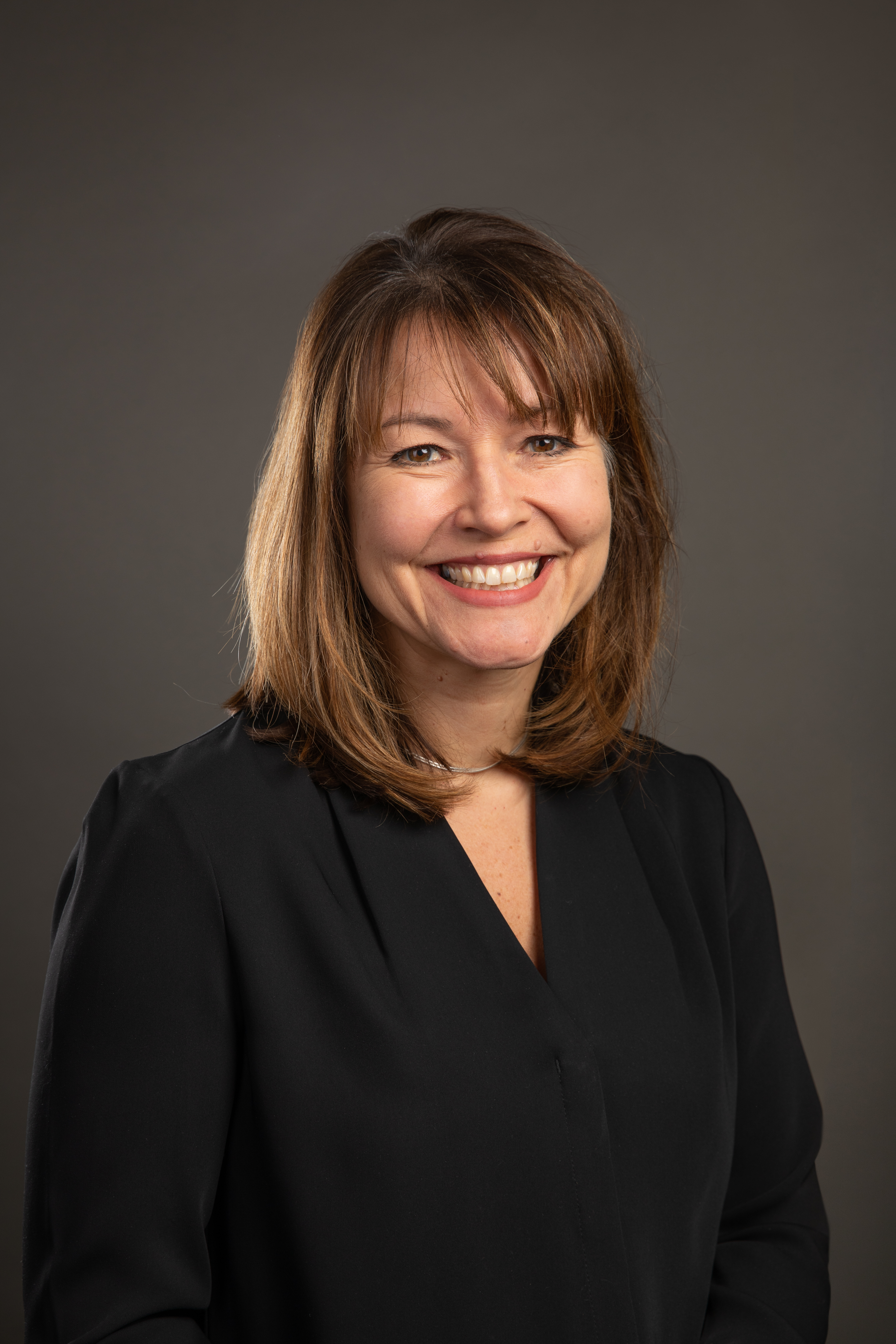
Prof. Lisa Saksida
RSC Fellow, Academy of Sciences
Affiliation: Western University
Keywords: cognitive neuroscience, learning and memory, preclinical models, dementia
Induction Year: 2020
Lisa Saksida has made important theoretical and experimental contributions to understanding the neurobiological basis of cognition. Her collaborative and interdisciplinary approach allows her to span multiple levels of analysis—from molecule to behaviour—to answer fundamental questions about the brain in health and disease, and how the answers to these questions can best be translated, eventually, to the clinic.
Lisa Saksida a apporté des contributions importantes théoriques et expérimentales à notre compréhension des fondements neurobiologiques des processus cognitifs. Son approche collaborative et interdisciplinaire lui permet de couvrir plusieurs niveaux d’analyse - de la molécule au comportement - pour répondre à des questions fondamentales sur le cerveau dans la santé et la maladie et pour mieux traduire en pratique clinique les réponses à ces questions.
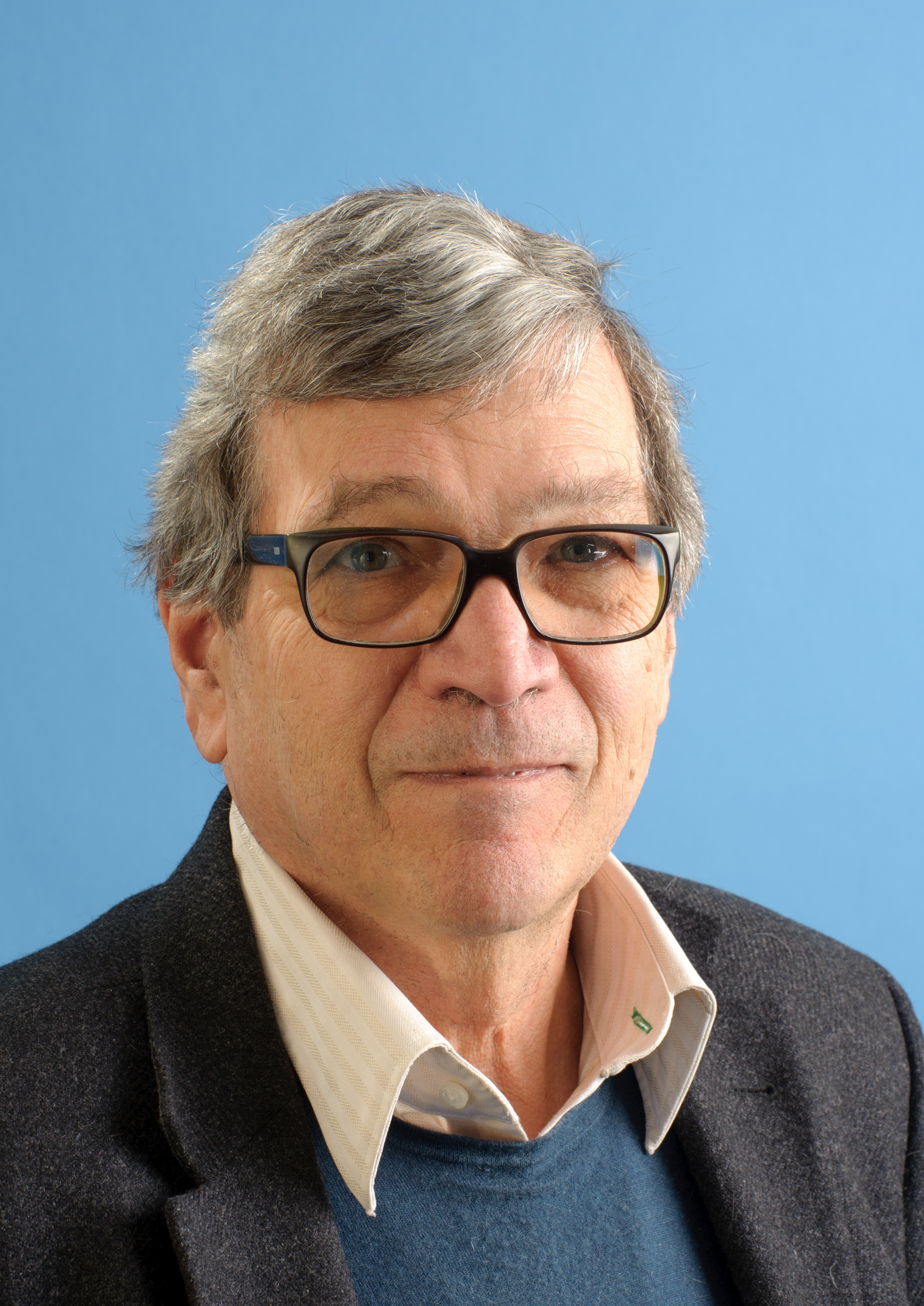
Dr. Dennis Salahub
RSC Fellow, Academy of Sciences
Affiliation: University of Calgary
Keywords: Chimie quantique, théorie de la fonctionelle de la densité, modélisation biomoléculaire, modélisation en catalyse hétérogène, logiciels de modélisation chimique
DENNIS SALAHUB se distingue par ses contributions en chimie théorique appliquée. Il a reconnu très tôt le grand potentiel de la Théorie de la Fonctionelle de la Densité (TDF). De nombreux phénomènes complexes chez les agrégats, les surfaces, les catalyseurs et les systèmes magnétiques ont été éclaircis, grâce à son talent d'analyse. Depuis dix ans son groupe a construit une méthodologie permettant la modélisation de matériaux et de systèmes biologiques d'une complexité sans précédent. Si la TDF prend actuellement sa juste place en chimie quantique, Dennis Salahub en est un des moteurs principaux et ce, par ses multiples contributions réfléchies.
Dr. C. Andre Salama
RSC Fellow, Academy of Sciences
Affiliation: University of Toronto
Keywords: Microelectronics, devices, circuits, high frequency, low power
Andre Salama has, through his extraordinary innovation and creativity and his leadership in academic research, made outstanding contributions to semiconductor device research and analog and digital integrated circuit design. He, with his graduate students, has made major contributions to the design, development and implementation of novel microelectronic devices and integrated circuits
Dr. Oluwabukola Salami
RSC College Member
Affiliation: University of Calgary
Keywords: immigrant health, mental health, policy, equity and diversity, youth, social impact
Induction Year: 2024
Bukola Salami is a Professor at the Department of Community
Health Science, University of Calgary. She has been involved in
over 90 studies totalling around $250 million. She is a nationally
and internationally recognized leader in Black peoples health
and immigrant health whose work has contributed to the creation of the first
mental health clinic for Black Canadians in Western Canada and the first fully
interdisciplinary university-based mentorship program for Black youths in
Canada.
Bukola Salami est professeure et titulaire d’une chaire de
recherche du Canada de niveau 1 sur la santé des Noirs et des
populations racialisées au sein du département des sciences
de la santé communautaire de la University of Calgary. Elle a
participé à plus de 90 études d’une valeur totale d’environ 250 millions de
dollars. Cheffe de file reconnue sur le plan international, son travail a conduit à
la création de la première clinique de santé mentale pour les Noirs canadiens
dans l’ouest du Canada et du premier programme de mentorat universitaire
entièrement interdisciplinaire pour les jeunes Noirs au Canada.
Prof. Anne Salomon
RSC College Member
Affiliation: Simon Fraser University
Keywords: coastal marine ecology, biodiversity, climate change
Induction Year: 2019
Anne Salomon is an applied marine ecologist who builds collaborations across disciplines and sectors to advance the field of conservation science and practice. Dr. Salomon is internationally recognized for illuminating relationships between humans and the productivity, biodiversity and resilience of marine ecosystems to inform ecologically effective and socially just conservation strategies. She works closely with Indigenous communities as research partners and co-producers of knowledge in marine management and conservation efforts.
Anne Salomon est une écologiste des milieux marins qui développe des collaborations entre les disciplines et les secteurs pour faire avancer le domaine de la science et de la pratique de la conservation. La professeure Salomon est reconnue sur le plan international pour avoir mis en lumière les liens existant entre les humains et la productivité, la biodiversité et la résilience des écosystèmes marins afin d’alimenter des stratégies de conservation efficaces sur le plan écologique et justes sur le plan social. Elle travaille en étroite collaboration avec les communautés autochtones, en qualité de partenaires de recherche et de coproducteurs de connaissances en gestion marine et efforts de conservation.
Dr. Michael Salter
RSC Fellow, Academy of Sciences
Affiliation: University of Toronto
Keywords: Neuroscience, neural-glial interactions, synaptic transmission, pain, synaptic plasticity
LONG CITATION
Professor Michael W. Salter is one of Canada's foremost neuroscientists and has made original and important contributions to our understanding of neuroplasticity and pain. He is widely known for his pioneering studies on the regulation of glutamate receptors and excitatory synaptic signalling in the central nervous system. Glutamate receptor regulation is critical in normal brain functions such as learning and memory, and pathological brain functions such as pain. He is also renowned for his leading work on glial cells in the nervous system. Professor Salter's groundbreaking studies have led to new concepts in the control of neuron-neuron and neuron-glia-neuron signalling, and have broad implications for understanding of the fundamental workings of the brain in health and disease.
SHORT CITATION
Professor Michael W. Salter is one of Canada's foremost neuroscientists. He has made original and important contributions to our understanding of neuroplasticity and pain. His ground-breaking research has led to new concepts in the control of neuronal and glial signalling, and have broad implications for understanding of the workings of the brain in a healthy state and in the presence of disease.
Prof. R. L. Liora Salter
RSC Fellow, Academy of Social Sciences
Affiliation: York University
Keywords: Policy, regulation, standards, broadcasting, accessibility of research
In mid-career Professor Liora Salter has attained national pre-eminence (an international recognition) in two distinct venues: first, as a senior communications scholar in the academic community; and second, as a consultant to Canadian government departments and the author of many influential reports. Her accomplishments to date have changed the way we think and act in Canada in such diverse and important areas as broadcasting, telecommunications regulation, science and technology policy, the regulation of dangerous chemicals, and consultation between the public and government agencies. It is indeed remarkable for an individual to have an influence on so many areas of social concern.
Indira Samarasekera
RSC Fellow, Academy of Sciences
Affiliation: University of Alberta
Keywords: Heat transfer, continuous casting, hot-rolling, steels, stress analysis
Dr. Samarasekera is best known for her outstanding work in the continuous casting of steel. In this work she has combined mathematical modelling of the heat flow and stress fields in the system with unique in-plant measurements. These results have led to major improvements in continuous casting in plants throughout the world. She has made important contributions to our understanding of the hot rolling of steels, and has done extensive work dealing with the growth of large semiconductor and optical crystals pulled from the melt, among other activities. Her outstanding work is recognized internationally.
Prof. Pauline Sameshima
RSC College Member
Affiliation: Lakehead University
Keywords: curriculum theory, education, arts integrated methodologies, poetic inquiry, methodology, interdiscipinary research, teaching and learning, curation, journal editing
Induction Year: 2020
Pauline Sameshima pioneered Parallaxic Praxis, an award-winning interdisciplinary multimodal research methodology. She has been internationally recognized for her innovative work in curriculum theory, poetic inquiry, teaching, research dissemination and civic engagement development. She is Canada Research Chair in Arts Integrated Studies (2012-2022) and Editor-in-Chief of the Journal of the Canadian Association for Curriculum Studies.
Pauline Sameshima est la conceptrice d’une méthodologie de recherche multimodale interdisciplinaire primée, Parallaxic Praxis. Elle est reconnue sur le plan international pour ses travaux novateurs en théorie des programmes, en recherche poétique, en enseignement, en diffusion de la recherche et en développement de l’engagement civique. Elle est titulaire de la Chaire de recherche du Canada en études intégrées des arts (2012-2022) et rédactrice en chef de La revue de l’association canadienne des études de curriculum.
Dr. Léon Sanche
RSC Fellow, Academy of Sciences
Affiliation: Université de Sherbrooke
Keywords: Radiothérapie, physique des radiations, électrons lents, nanolithographie, ADN.
Induction Year: 2011
Professor Sanche has remarkably enhanced our global understanding of the effects of radiation in biological systems and has applied this knowledge to increase the therapeutic and diagnostic efficiency of radiation. He has focused on secondary low energy electrons, providing the missing link between the physics and the chemistry of radiation damage. He can now suggest modifications to radiotherapy protocols to enhance the therapeutic value of radiation in cancer treatment. His basic discoveries in molecular physics have been applied by other researchers and himself to several practical areas including the depletion of the earth's protective ozone layer.
Prof. Richard Sandbrook
RSC Fellow, Academy of Social Sciences
Affiliation: University of Toronto
Keywords: Politics, development, neoliberelism, democratization, political economy
Richard Sandbrook has worked in three inter-related fields: the political economy of development strategics, comparative labour movements in Africa and the political economy of urban poverty. His work includes detailed field research, Ghana, and Various other African countries. From 1980 to 1993 he explored the political origins of economic stagnation in Africa and the politics of economic recovery in that continent. Since 1993, he has investigated the significances of democratization in Africa for dealing with the major challenges that people face.
He is independent in outlook, deeply concerned that his work be relevant to the real problems that people confront, and uncompromisingly scholarly. He has also been a fine teacher and stimulating and generous colleague.
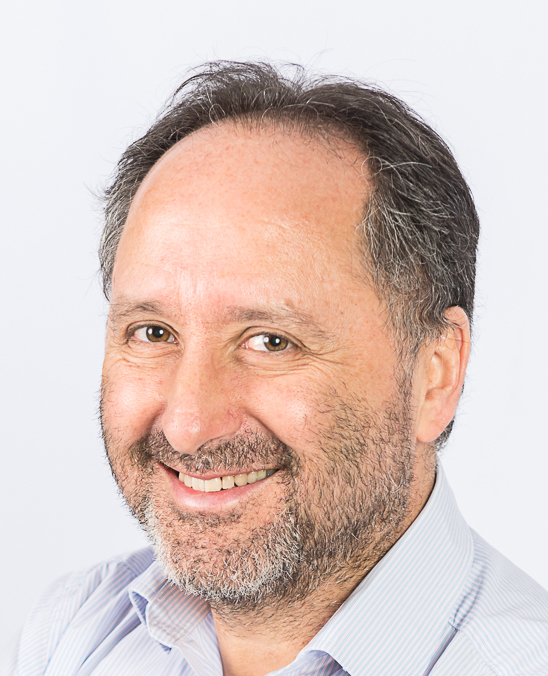
Prof. Barry C Sanders
RSC Fellow, Academy of Sciences
Affiliation: University of Calgary
Keywords: quantum information; entangled coherent states; metrology; quantum walks; quantum key distribution, Quantum information, Physics and Astronomy
Induction Year: 2017
SANDERS, Barry - Department of Physics and Astronomy, University of Calgary
Professor Barry Sanders is a leading expert in quantum physics and quantum computing whose pioneering work connects theoretical quantum information with experimental implementation. He has made major contributions in diverse areas, notably introducing entangled coherent states and determining requirements for practical quantum key distribution.
Le professeur Barry Sanders est un spécialiste de la physique quantique et de l'informatique quantique dont le travail pionnier relie l'information quantique théorique à la mise en œuvre expérimentale. Il a apporté d'importantes contributions dans divers domaines, notamment l'introduction d'états cohérents enchevêtrés et la détermination des exigences pour la répartition pratique des clés quantiques.
Leonie Sandercock
RSC Fellow, Academy of Social Sciences
Affiliation: The University of British Columbia
Induction Year: 2020
Innovative, visionary and audacious, Leonie Sandercock’s community-based scholarship and practice in the fields of urban planning and community development have engaged some of the most intractable issues of our time—inequality, discrimination, and racism. Through award-winning books and films, she has influenced the planning field to become more culturally-fluent, addressing diversity and difference through structural change, and her partnerships with Indigenous communities model reconciliation in practice.
Leonie Sandercock, chercheuse innovante, visionnaire et audacieuse, s’intéresse aux œuvres communautaires et à la pratique dans les domaines de l’urbanisme et du développement communautaire pour démêler les enjeux de notre époque, à savoir l’inégalité, la discrimination et le racisme. À travers ses livres et films primés, la Prof. Sandercock a mené la discipline de l’urbanisme à améliorer ses compétences culturelles avec des transformations structurelles qui s’adressent à la diversité et la différence. Ses partenariats avec des communautés autochtones sont des exemples d’une pratique authentique de réconciliation.
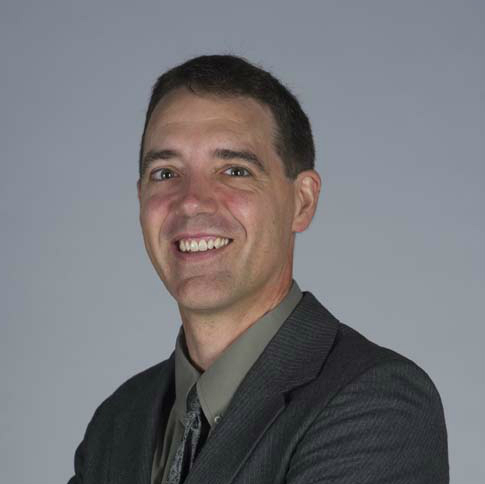
Prof. John K Sandlos
RSC College Member
Affiliation: Memorial University of Newfoundland
Keywords: history, northern Canada mining, Aboriginal people, conservation
Induction Year: 2018
John Sandlos conducts innovative research in the field of environmental history in Canada, with expertise in the areas of wildlife conservation, national parks, and extractive industries. He has directed three major SSHRC-funded projects examining the environmental impacts of historical mines on northern Indigenous communities. He is author of the award winning book, Hunters at the Margin, and co-editor of the award winning collection, Mining and Communities in Northern Canada.
John Sandlos mène des recherches novatrices dans le domaine de l’histoire environnementale au Canada, avec une expertise dans les domaines de la conservation de la faune, des parcs naturels et des industries extractives. Il a mené trois projets majeurs financés par le CRSH étudiant les répercussions environnementales des mines historiques sur les communautés autochtones du nord. Il est l’auteur du livre primé, Hunters at the Margin, et co-éditeur de la collection primée, Mining and Communities in Northern Canada.
Prof. Örjan Sandred
RSC Fellow, Academy of the Arts and Humanities
Affiliation: University of Manitoba
Induction Year: 2023
Örjan Sandred is a Swedish-Canadian composer and is since 2005 a Professor of Composition at the University of Manitoba in Canada where he founded Studio FLAT – a studio for Computer Music research and production. He taught composition at the Royal College of Music in Stockholm 1998-2005. In 2016 he was a DAAD visiting professor at Hochschule für Musik Detmold in Germany. In 2022 he was awarded a fellowship from the John Simon Guggenheim Memorial Foundation.
Örjan Sandred est un compositeur suédo-canadien. Depuis 2005, il est professeur de composition au sein de la University of Manitoba, au Canada, où il a fondé le Studio FLAT, un studio de recherche et de production de musique assistée par ordinateur. Il a enseigné la composition au Royal College of Music de Stockholm de 1998 à 2005. En 2016, il a été professeur invité par la DAAD à la Hochschule für Musik Detmold en Allemagne. En 2022, il a reçu une bourse de la John Simon Guggenheim Memorial Foundation.
Dr. Joan Sangster
RSC Fellow, Academy of the Arts and Humanities
Affiliation: Trent University
Keywords: feminism, labour, law and social policy, women's history
Induction Year: 2003
LONG
Joan Sangster is one of the foremost historians of twentieth-century Canada. Her scholarship is prodigious and pioneering, crossing intellectual and disciplinary boundaries to focus attention on women workers, activists, Aboriginal peoples, and the criminalized. Award-winning publications examine neglected Canadians with insight and compassion. National and international scholars admire her deft combination of detailed empirical research, theoretically informed discussion, and sensitive reconsideration of modern Canada. She has combined this scholarship with an impressive teaching and administrative career at Trent University, where she is the only faculty member to have won both the prestigious Symons Teaching Award and the Distinguished University Research Award.
SHORT
Joan Sangster is one of the foremost historians of twentieth-century Canada. Her scholarship is prodigious and pioneering, crossing intellectual and disciplinary boundaries to focus attention on women workers, activists, Aboriginal peoples, and the criminalized. National and international scholars admire her deft combination of detailed empirical research and sensitive reconsideration of modern Canada.
Dr. David Sankoff
RSC Fellow, Academy of Sciences
Affiliation: University of Ottawa
Keywords: Genomics, evolution, bioinformatics, algorithms
David Sankoff is a pioneer in the area of biomathematics that studies the genetic sequences of molecular biology. His most important work has been in sequence analysis and molecular evolution. One would cite, in particular, his very influential studies of multiple sequence alignment, RNA structure and evolutionary tree construction, and current study of genome rearrangement and flowering plant genomics. He has made significant contributions to the mathematical foundations of linguistics.
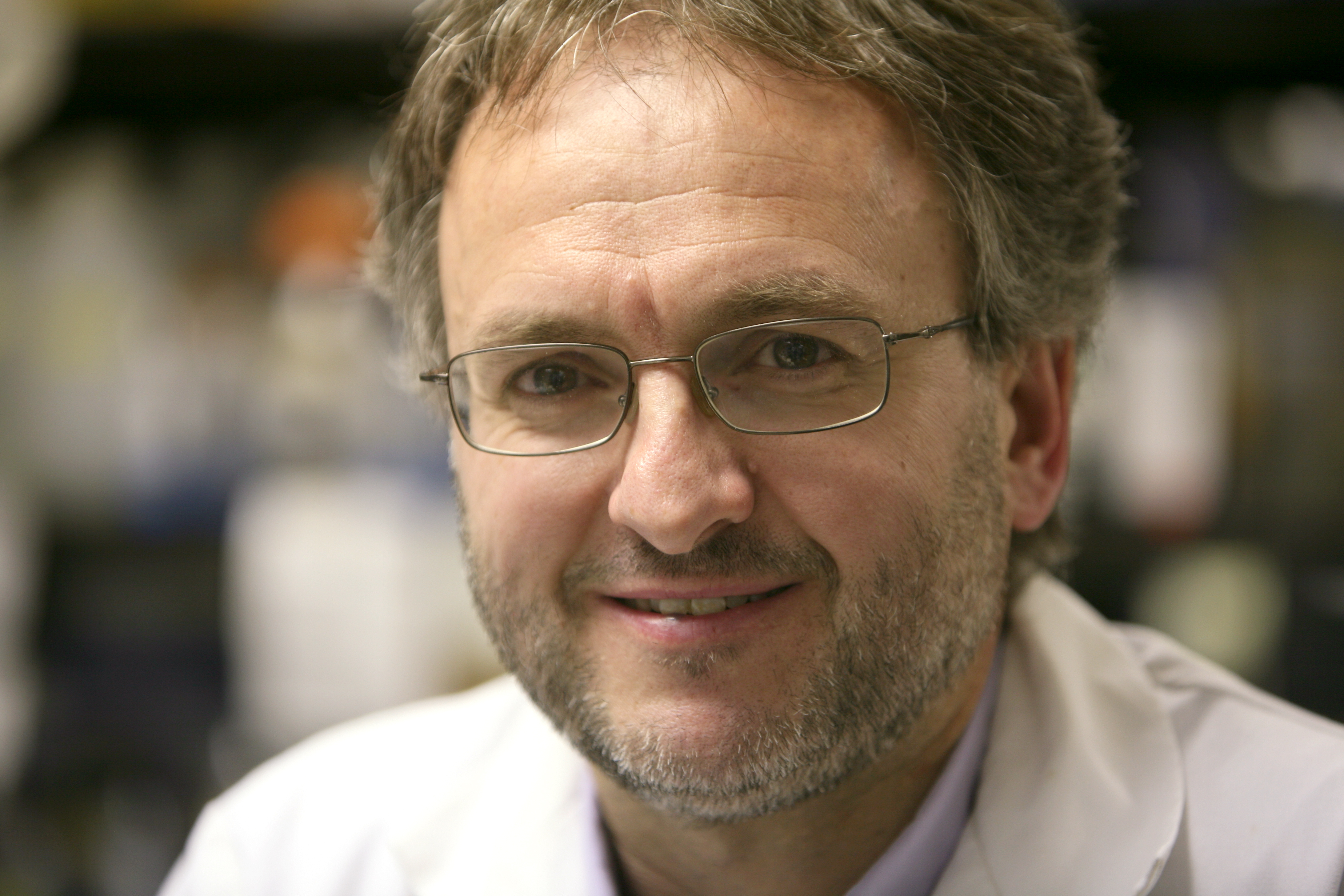
Dr. Pere Santamaria
RSC Fellow, Academy of Sciences
Affiliation: University of Calgary
Keywords: Autoimmunity, Diabetes, Genetics, Immunology, Molecular Biology, Targeted Mutations, Transgenics, COVID-19, Covid-19, corona virus
Induction Year: 2017
Pere Santamaria is Professor in the Department of Microbiology, Immunology and Infectious Diseases at the University of Calgary.He has made seminal contributions to our understanding and treatment of autoimmune diseases. Le plus remarquable est sa découverte d'une nouvelle plate-forme thérapeutique, basée sur la nanomédecine, pour traiter ces troubles. Current efforts focus on translating this revolutionary discovery into the clinic, to treat the ~100 autoimmune diseases affecting humankind.
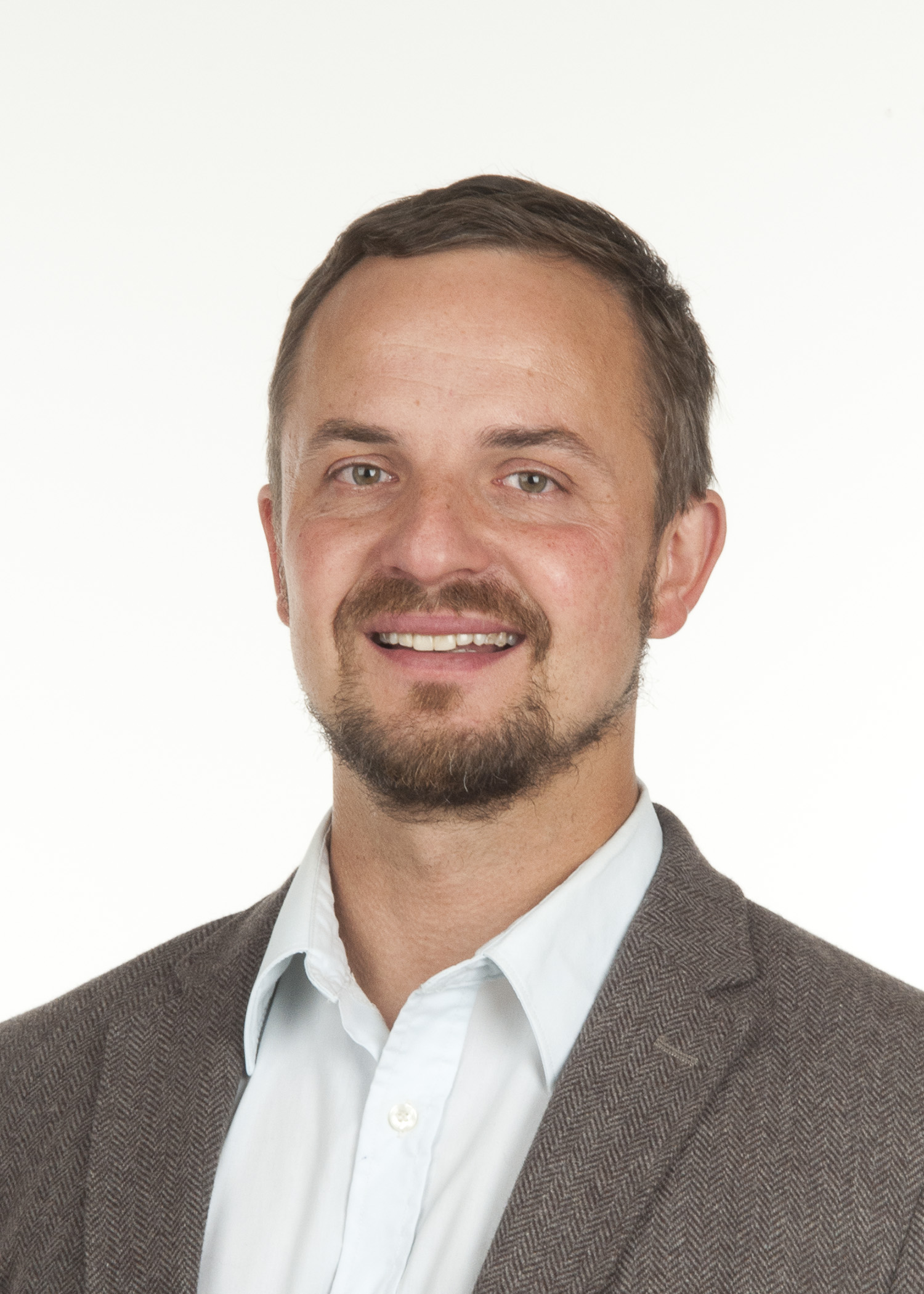
Mike (Przemyslaw) Sapieha
RSC College Member
Affiliation: Université de Montréal
Keywords: Angiogenesis, Neuroscience, Retina
Induction Year: 2018
Mike (Przemyslaw) Sapieha is the Wolfe Professor in translational vision research, Canada Research Chair in retinal cell biology and director of the Neurovascular Eye Disease Lab at the Université de Montréal. His team made several fundamental discoveries implicating deregulation of neuronal metabolism and cellular senescence in retinal vascular diseases such as diabetic retinopathy and age related macular degeneration. Notably, he identified critical roles for Semaphorins and Netrins in these diseases.
Titulaire de la chaire de recherche du Canada en biologie cellulaire rétinienne et la bourse professorale Wolfe en recherche translationnelle sur la vision de l’Université de Montréal, Mike (Przemyslaw) Sapieha a identifié les mécanismes impliqués dans la dérégulation du métabolisme neuronal et la sénescence cellulaire dans la rétinopathie diabétique et la dégénérescence maculaire liée à l’âge; notamment, un rôle crucial pour les sémaphorines et nétrines a été démontré dans ces maladies.