

You are here
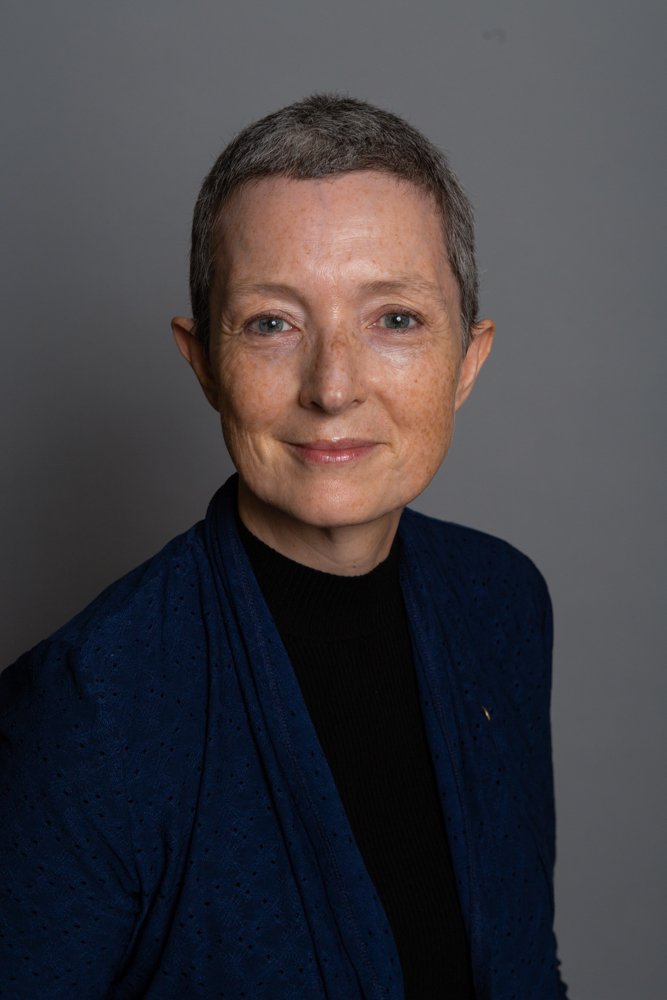
Prof. Julia M. M. Wright
RSC Fellow, Academy of the Arts and Humanities
Affiliation: Dalhousie University
Keywords: 18th- and 19th-c. Irish literature, nationalism, gothic, Irish studies, university governance
Induction Year: 2017
Julia M. Wright is an internationally recognized scholar in British and Irish Romantic Literature, particularly for her work advancing our understanding of European and transatlantic debates about nation, empire, and gender. Deeply interdisciplinary while drawing on extensive archival research, her scholarship has led to four monographs, over forty articles and book chapters, and four edited and six co-edited books, including editions widely used in teaching and in scholarship.
Julia M. Wright est une chercheure de renommée internationale dans le domaine des études du romantisme britannique et irlandais, et en particulier pour sa contribution à notre compréhension des débats européens et transatlantiques sur la nation, l’empire et le genre. Profondément interdisciplinaire tout en s'appuyant sur des recherches archivistiques, sa recherche a conduit à quatre monographies, plus de quarante articles et chapitres de livres, et quatre livres qu’elle a dirigés et six livres qu’elle a codirigés, y compris des éditions utilisées dans l’enseignement et la recherche.
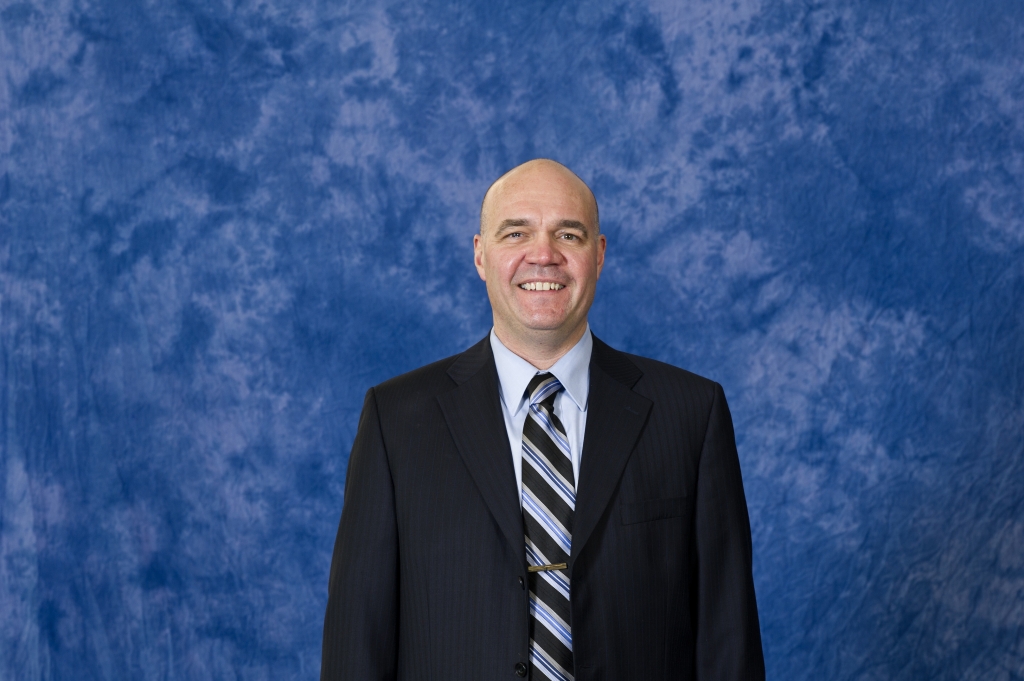
Dr. Gerard D Wright
RSC Fellow, Academy of Sciences
Affiliation: McMaster University
Keywords: antibiotic, resistance, natural products, biosynthesis, drug discovery
Induction Year: 2012
WRIGHT, Gerard D. - Department of Biochemistry and Biomedical Sciences, McMaster University
Dr. Wright’s research is centered on understanding the origins, evolution and molecular mechanisms of antibiotic resistance in bacteria. This information is applied in the discovery new anti-infective compounds in particular from microbial natural products.
WRIGHT, Gerard D. - Département de biochimie et de sciences biomédicales, McMaster University
Les travaux de recherche de Gérard Wright se concentrent sur la compréhension de l’origine, de l’évolution et des mécanismes moléculaires en jeu dans la résistance des bactéries aux antibiotiques. L’information ainsi obtenue servira à la mise au point de nouvelles molécules anti-infectieuses tirées notamment de produits microbiens naturels.
Prof. Stephen Wright
RSC Fellow, Academy of Sciences
Affiliation: University of Toronto
Keywords: evolutionary genomics, plant evolution, population genetics
Induction Year: 2024
Stephen I. Wright’s research focuses on plant population and evolutionary genomics. His work has revealed important insights into causes and consequences of the evolution of plant reproductive systems. His work has also led to new understanding of the genome-wide extent of adaptive evolution, and the functional importance of plant noncoding DNA.
Les recherches de Stephen I. Wright se concentrent sur la population des plantes et la génomique évolutionnaire. Ses travaux ont dévoilé un aperçu important des causes et conséquences génomiques de l’évolution des systèmes reproducteurs des plantes. Ses travaux ont également mené à une nouvelle compréhension de la portée pangénomique de l’évolution adaptative, et de l’importance fonctionnelle de l’ADN non codant des plantes.
Prof. David Wright
RSC Fellow, Academy of the Arts and Humanities
Affiliation: McGill University
Induction Year: 2020
David Wright is Professor of History and Canada Research Chair in the History of Health Policy at McGill University. A specialist in the social history of Modern medicine, he has published extensively on the history of psychiatry, children’s health and disability, the development of hospitals, medical migration, and the evolution of Canadian Medicare.
David Wright est professeur d’ histoire et titulaire de la Chaire de recherche du Canada sur l’histoire des politiques de santé à l’Université McGill. Spécialiste de l’histoire sociale de la médecine moderne, il a publié de nombreux ouvrages tant sur l’histoire de la psychiatrie, que sur celles de la santé infantile et des handicaps, du développement des hôpitaux, des migrations médicales et de l’évolution de l’assurance maladie au Canada.
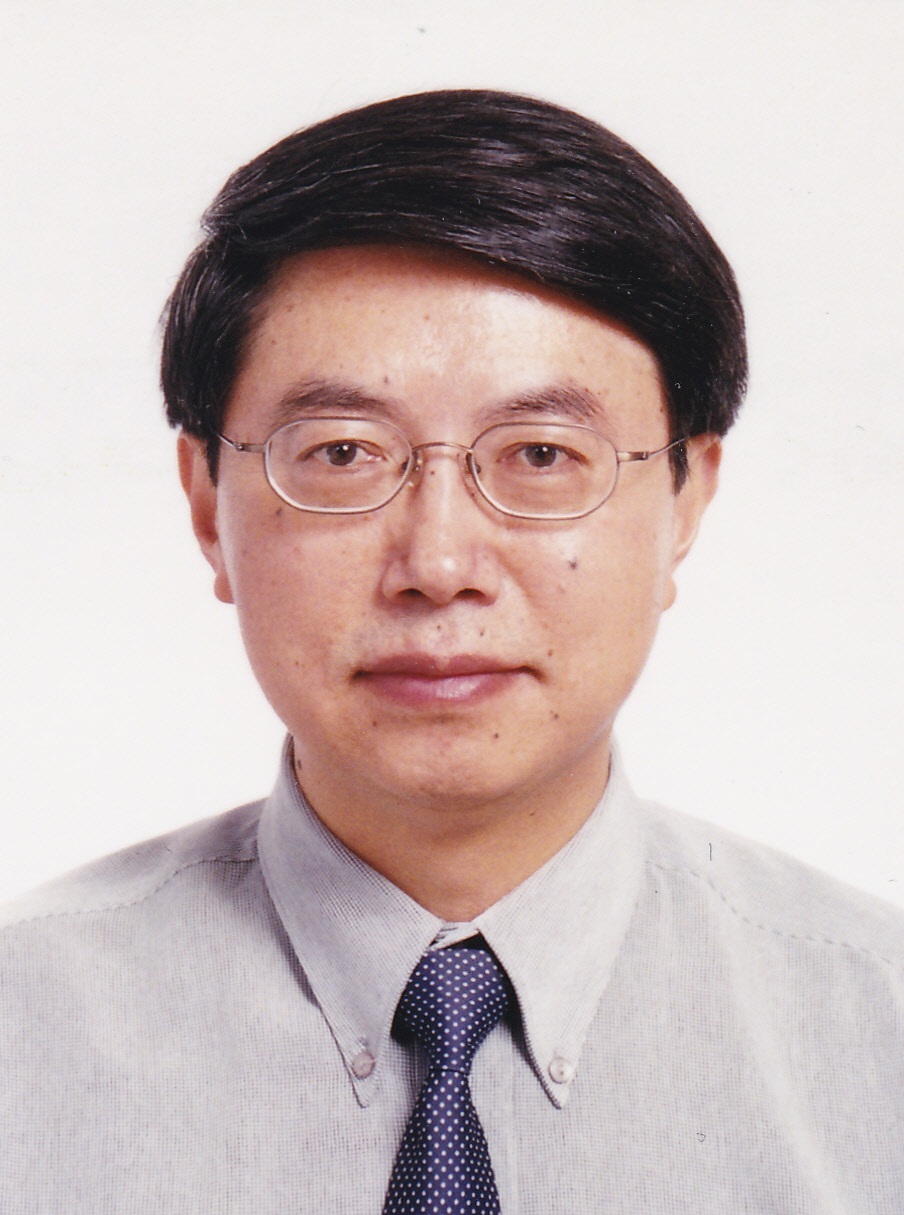
Prof. Bin Wu
RSC Fellow, Academy of Sciences
Affiliation: Toronto Metropolitan University
Keywords: Power electronics, motor drives, renewable energy systems, Electrical & Computer Engineering
Induction Year: 2017
WU, Bin - Department of Electrical & Computer Engineering, Ryerson University
Bin Wu’s research accomplishments have contributed significantly to the technological advancements in power electronics, electric motor drives and renewable energy systems. The innovative technologies that he developed have been used in Canadian industry, resulted in significant economic benefits. He is the author of internationally acclaimed books in high-power converters, variable-speed drives and wind energy systems.
Wu, Bin - Département d'ingénierie électrique et informatique, Université Ryerson
Les réalisations de recherche de Bin Wu ont contribué de manière significative aux progrès technologiques dans l'électronique de puissance, les moteurs électriques et les systèmes d'énergie renouvelable. Les technologies novatrices qu'il a développées ont été utilisées dans l'industrie canadienne, ont donné lieu à des avantages économiques importants. Il est l'auteur de livres internationalement reconnus dans les convertisseurs haute puissance, les variateurs de vitesse et les systèmes d'énergie éolienne.
Prof. Jianhong Wu
RSC Fellow, Academy of Sciences
Affiliation: York University
Induction Year: 2022
Renowned mathematician Jianhong Wu has made foundational contributions to the global dynamics and bifurcation theory. His novel mathematical models have pioneered several research fields. His disease modelling research provides critical insights of mechanisms behind complex patterns and accurately forecasts disease trends. His leadership has profoundly contributed to the paradigm shift toward using interdisciplinary modelling extensively in health planning and firmly establishing Canada as a global leader in mathematical epidemiology.
Mathématicien de renom, Jianhong Wu a apporté des contributions fondamentales à la théorie des dynamiques mondiales et des bifurcations. Ses modèles mathématiques novateurs ont ouvert la voie à plusieurs domaines de recherche. Ses recherches sur la modélisation des maladies fournissent des informations essentielles sur les mécanismes à l’origine de schémas complexes et permettent de prévoir avec précision l’évolution des maladies. Son leadership a profondément contribué au changement de paradigme en faveur d’une utilisation intensive de la modélisation interdisciplinaire dans la planification de la santé, et il a fermement positionné le Canada comme un chef de file mondial de l’épidémiologie mathématique.
Dr. Ke Wu
RSC Fellow, Academy of Sciences
Affiliation: École Polytechnique de Montréal
Keywords: Radio-frequency, microwave and millimetre-wave, antenna and propagations, applied electromagnetics, optoelectronics
LONG CITATION
Ke Wu is renowned internationally for highly innovative research in applied electromagnetics, in particular in radiofrequency, microwave and millimetre-wave engineering. He has authored more than 1300 world-class refereed publications and produced more than 50 important inventions. He has pioneered the revolutionary concept of substrate integrated circuits and joint field/circuit models for high-frequency circuits and systems. He has made many outstanding contributions to hybrid integration of planar and non-planar microwave and millimetre-wave circuits, as well as in the theory and practice of guided-wave structures.
SHORT CITATION
Ke Wu is internationally renowned for innovative research in applied electromagnetics and microwave engineering. He has pioneered the concept of substrate integrated circuits and joint field/circuit models for high-frequency systems. He has made outstanding contributions to hybrid integration of planar and non-planar circuits as well as guided-wave structures.
Dr. James Wuest
RSC Fellow, Academy of Sciences
Affiliation: Université de Montréal
Keywords: Chemistry, materials science, surface science, nanotechnology
Professor James D. Wuest is a chemist who is recognized internationally for creative, interdisciplinary work as a molecular architect. His goal is to design and synthesize molecules that use weak intermolecular forces to accomplish specific tasks. He has made important contributions to the study of complexation and catalysis by devising 'multidentate Lewis acids', which are reagents incorporating strategically placed electron-deficient sites that bind and activate molecules with complementary arrangements of electron-rich sites. Prof. Wuest has also helped create the new field of 'molecular tectonics'. He has devised "sticky" molecules, called 'tectons' from the Greek word for builder, that incorporate specific patterns of groups chosen to promote intermolecular adhesion. Well-designed tectons have a strong tendency to associate spontaneously and to generate complex aggregates with predictable three-dimensional structures. This work promises to have an important impact because it gives chemists the elements of a powerful molecular-scale construction set. Prof. Wuest has received numerous awards for his work, including the 1992 Rutherford Memorial Medal in Chemistry from the Royal Society of Canada.
Prof. Debra Wunch
RSC College Member
Affiliation: University of Toronto
Induction Year: 2023
Debra Wunch is an atmospheric physicist who plays a leading role in the development and use of remotely sensed measurements of greenhouse gases. She has fostered the development of a global network of instruments that occupies a critical niche between in-situ and space-based measurements of carbon dioxide and methane. Her research on greenhouse gas emission sources and natural sinks provides new insights into the global carbon cycle.
Debra Wunch est physicienne de l'atmosphère et joue un rôle de premier plan dans le développement et l'utilisation des mesures des gaz à effet de serre par télédétection. Elle a favorisé le développement d'un réseau mondial d'instruments qui occupe une niche essentielle entre les mesures in situ et les mesures spatiales du dioxyde de carbone et du méthane. Ses recherches sur les sources d'émission de gaz à effet de serre et les puits naturels permettent de mieux comprendre le cycle mondial du carbone.
Prof. Stephen Wyatt
RSC College Member
Affiliation: Université de Moncton
Keywords: autochtones, politique forestière, foresterie sociale, gestion durable
indigenous peoples, forest policy, social forestry, sustainable development
Induction Year: 2017
Stephen Wyatt studies social, political and economic issues related to indigenous engagement in sustainable use and management of natural resources—key questions for contemporary Canada. He innovates with interdisciplinary and inter-scale approaches seeking to untangle the complex web of issues and interactions, going beyond individual cases to develop policy responses. He collaborates with Canadian and international researchers and supervises students from a variety of institutions.
Stephen Wyatt travaille sur les enjeux sociaux, politiques et économiques reliés à l’engagement autochtone et à l’exploitation durable des ressources naturelles – des thématiques clés pour le Canada contemporain. Ses approches interdisciplinaires et inter-échelles visant à démêler l’écheveau complexe d’enjeux et d’interactions sont innovantes et vont au-delà des cas particuliers afin qu’elles trouvent des réponses au niveau politique. M. Wyatt collabore avec des chercheurs nationaux et internationaux et dirige des étudiants de diverses institutions.
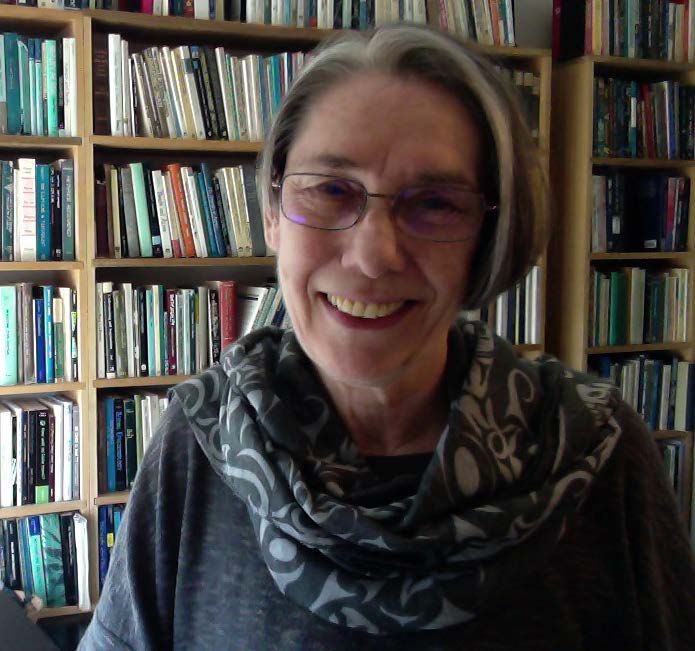
Prof. Alison Wylie
RSC Fellow, Academy of the Arts and Humanities
Affiliation: The University of British Columbia
Induction Year: 2022
Alison Wylie is internationally recognized for catalyzing a thriving field at the intersection of philosophy of science and the historical sciences, and for game-changing insights in feminist philosophy. She deploys incisive analyses of archaeological practice to show how even fragmentary trace evidence can yield robust knowledge of the past. Her work reframing epistemic ideals like objectivity has had an impact on archaeological practice as well as in philosophy.
Alison Wylie jouit d’une renommée internationale pour sa contribution au développement d’un champ au croisement de la philosophie des sciences et des sciences historiques ainsi que pour ses contributions à la philosophie féministe. On lui doit des analyses incisives de pratiques archéologiques démontrant que même les trouvailles les plus fragmentaires peuvent en révéler long sur le passé. Ses réformes d’idéaux épistémiques comme l’objectivité ont influencé les pratiques archéologiques et philosophiques.
Prof. Graeme Wynn
RSC Fellow, Academy of the Arts and Humanities
Affiliation: The University of British Columbia
Keywords: Environmental History, Historical Geography, British Colonialism
Long Citation (for publication and press release)
Graeme Wynn is among the leading Historical Geographers and Environmental Historians in the English-speaking world. He is particularly known for his analyses of the social and environmental ramifications of staple trades, especially in the forests of colonial New Zealand, of the environmental impact of industrializing societies, and of the regional historical geography of early Canada. He is a meticulous researcher, a charming writer, and a fastidious editor. His recent environmental history of Canada is a much¬-anticipated and ground-breaking work. He leads the interdisciplinary collaborations that distinguish the current burgeoning of Canadian environmental history.
Short Citation (to be read at the Induction Ceremony)
Graeme Wynn is among the leading Historical Geographers and Environmental Historians in the English-speaking world. He is particularly known for his analyses of the social and environmental ramifications of staple trades, especially in the forests of colonial New Zealand, of the environmental impact of industrializing societies, and of the regional historical geography of early Canada.
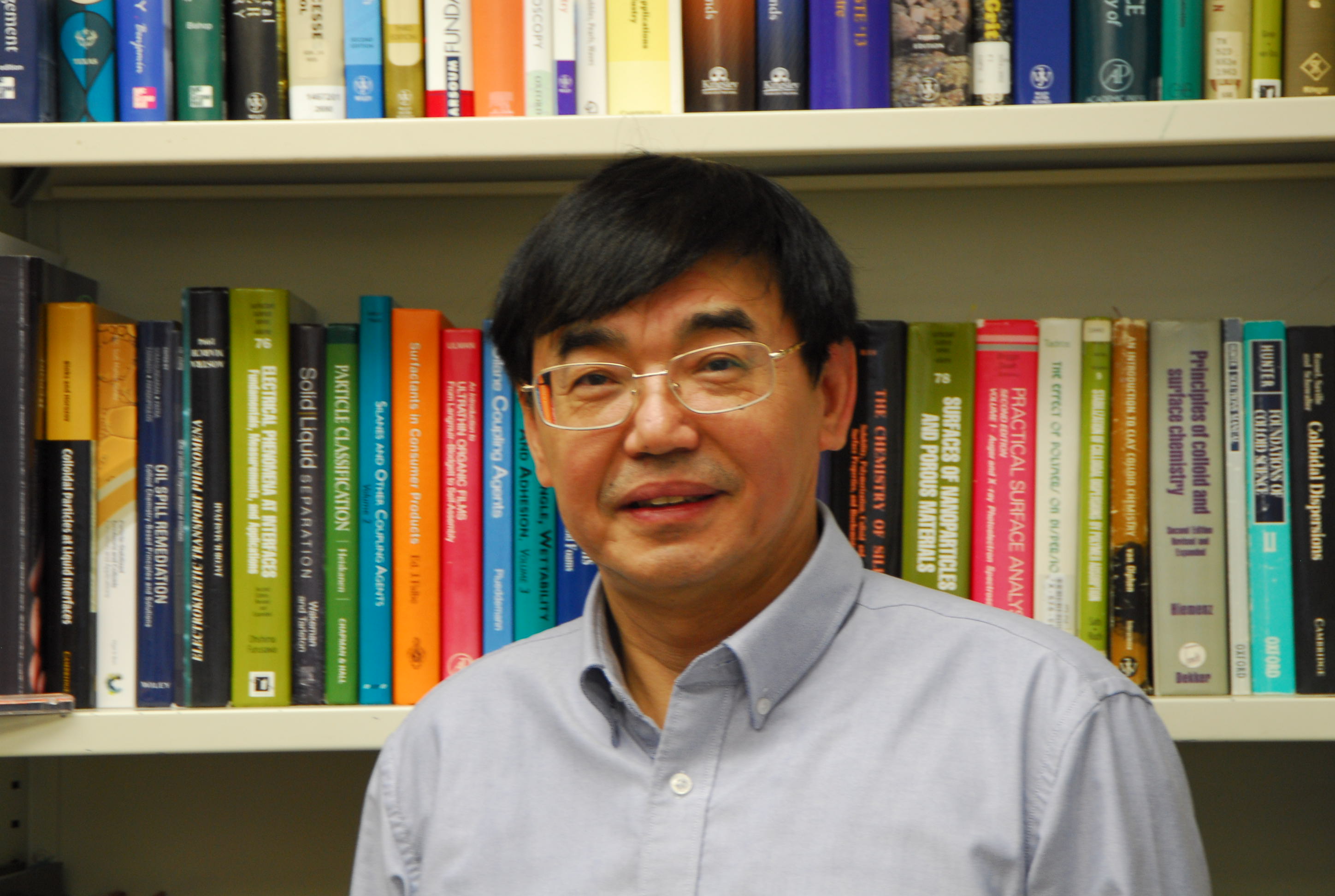
Prof. Zhenghe Xu
RSC Fellow, Academy of Sciences
Affiliation: University of Alberta
Keywords: Mineral Processing, Chemical Engineering
Interfacial science, Applied surface science, Mineral processing, Oil sands engineering, Clean coal technology, Flotation, Tailings management, Emulsion science
Induction Year: 2015
Updated August 24, 2015
XU, Zhenghe - Department of Chemical and Materials Engineering, University of Alberta.
Zhenghe Xu is a well-recognized world leader in applying rigorous scientific principles to improve mineral processing technology and bitumen extraction from the oil sands in Alberta while reducing the environmental impact of industrial development. He is the NSERC Industrial Research Chair in Oil Sands Engineering, the Canada Research Chair in Mineral Processing, and Teck Professor.
Zhenghe Xu, Chaire de Recherche Industrielle du CRSNG en Génie des Sables Bitumineux, Chaire de Recherche sur l’Extraction des Mineraux, Chaire de Recherche Teck sur l’Extraction des Minéraux, est un leader de renommée internationale dans le domaine de l'amélioration des technologies de traitement des minéraux et de l'extraction du bitume des sables bitumineux de l’Alberta. Son approche se base sur l’application de principes scientifiques rigoureux et sur la réduction de l'impact environnemental du développement industriel.
Dr. Danxia Xu
RSC Fellow, Academy of Sciences
Affiliation: National Research Council of Canada
Keywords: Silicon photonics, integrated photonics, optical communications, sensing, machine learning
Induction Year: 2019
XU, Dan-Xia – Advanced Electronics and Photonics Research Centre, National Research Council Canada
Dan-Xia Xu has been a pioneer and global leader in silicon photonics for more than two decades, making discoveries that launched this field and subsequently drove advances in components for optical communications, sensing, spectroscopy and metrology. Of particular significance are her inventions in polarization management techniques and biomolecular sensing. She recently broke new ground with machine learning methods that dramatically simplify high-dimensional photonic design challenges.
Dan-Xia Xu est une pionnière et chef de file mondiale en photonique silicium depuis plus de deux décennies. Ses contributions séminales au domaine ont débouché au développement de composants pour applications en télécommunications optiques, en détection, en spectroscopie et en métrologie. Ses inventions en techniques de gestion de la polarisation et en détection biomoléculaire sont particulièrement notables. Elle a récemment ouvert de nouvelles recherches dans l’utilisation de méthodes d’apprentissage machine pour simplifier radicalement la conception multidimensionnelle de composants photoniques.
Prof. Yunjie Xu
RSC Fellow, Academy of Sciences
Affiliation: University of Alberta
Keywords: Chirality Recognition/Transfer, Solvation, Non-covalent Interactions, Instrument Innovation
Induction Year: 2018
XU, Yunjie - Department of Chemistry, University of Alberta
Yunjie Xu, Canada Research Chair in Chirality and Chirality Recognition, brings a rigorous physical sciences approach to decoding chiral phenomena. She advances the field by identifying important questions and finding answers by pushing methodical frontiers with the design and development of novel spectroscopic tools. Her profound contributions to uncovering stereospecific interactions underlying chirality recognition events, central to the biochemistry of life, have made her a world leader in chirality research.
Dr. Martin Yaffe
RSC Fellow, Academy of Sciences
Affiliation: Sunnybrook Research Institute
Induction Year: 2021
Martin Yaffe is a medical physicist specializing in imaging research applied to earlier diagnosis of breast cancer. He is recognized for the development of digital mammography, now used clinically worldwide and for his research on breast density as a risk factor for cancer and an impediment to its accurate detection. He is now applying medical imaging principles to improve quantitative biomarker analysis in pathology. He is Co-Director of the Imaging Research Program of The Ontario Institute for Cancer Research.
Martin Yaffe est un physicien médical spécialisé dans la recherche en imagerie appliquée au diagnostic précoce du cancer du sein. Il est reconnu pour le développement de la mammographie numérique, maintenant utilisée en clinique dans le monde entier et pour ses recherches sur la densité mammaire en tant que facteur de risque de cancer et obstacle à sa détection précise. Il applique maintenant les principes de l'imagerie médicale pour améliorer l'analyse quantitative des biomarqueurs en pathologie. Il est codirecteur du programme de recherche en imagerie de l'Institut ontarien de recherche sur le cancer.
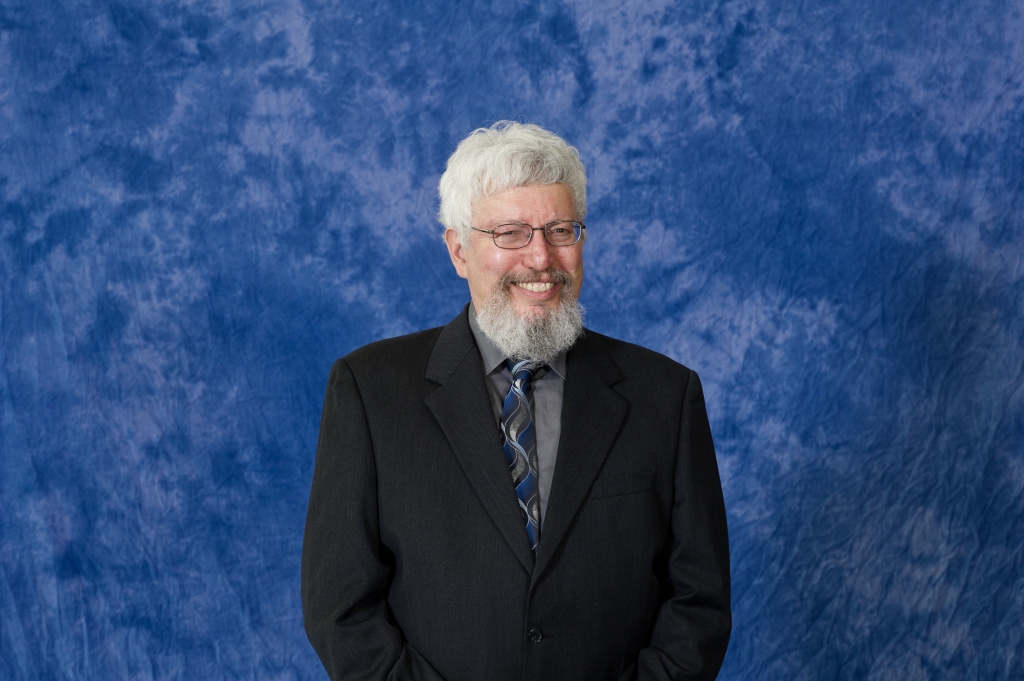
Dr. Norman Yan
RSC Fellow, Academy of Sciences
Affiliation: York University
Keywords: limnology, lakes, zooplankton, aquatic ecology, invading species, ecotoxicology, restoration ecology
Induction Year: 2012
YAN, Norman - Department of Biology, York University
Norman Yan’s research has led to a deep understanding of the role of freshwater animal plankton, or zooplankton, in the ecology of lakes. He is a world leader in analyzing both the damage to zooplankton caused by acid rain and metal pollution, and more recent recovery from these pollutants. He is also internationally recognized for his research on the effects of predatory invaders and environmental calcium decline on lakes.
YAN, Norman - Département de biologie, Université York
Les recherches effectuées par Norman Yan ont permis d’approfondir notre compréhension du rôle joué par le zooplancton d’eau douce dans l’écologie des lacs. Il est un chef de file mondial de l’analyse des dommages causés par les pluies acides et la pollution métallique au zooplancton de même que sur ses mécanismes de récupération. Il est aussi reconnu internationalement pour ses recherches sur les conséquences pour les lacs de l’introduction d’espèces prédatrices envahissantes et de la baisse du taux de calcium ambiant.
Prof. En-hui Yang
RSC Fellow, Academy of Sciences
Affiliation: University of Waterloo
Keywords: Information theory, digital communications, multimedia compression and processing, multimedia communications, image and video coding
Induction Year: 2009
En-hui Yang is an international leader in source coding, a branch of information theory dealing with how to efficiently encode information for transmission, storage, and processing. His research has had an impact on the daily life of tens of millions people worldwide in over 130 countries.
------------------
YANG, En-hui –Department of Electrical & Computer Engineering, University of Waterloo
En-hui Yang is an international leader in source coding, a branch of information theory dealing with how to efficiently encode information for transmission, storage, and processing. A recipient of many awards including the 2007 Ernest C. Manning Award of Distinction and an IEEE Fellow, he has made profound contributions to source coding by introducing fundamental source coding theory, solving long-standing open problems in source coding, inventing state-of-the-art lossless and lossy multimedia encoding algorithms, and transforming research results and coding algorithms into practice, which now impact on the daily life of tens of millions people worldwide in over 130 countries.
Prof. Qiang Yang
RSC Fellow, Academy of Sciences
Affiliation: The Hong Kong University of Science and Technology
Induction Year: 2021
Qiang Yang is a world leader and pioneer in the artificial intelligence fields of transfer learning and federated learning, as well as automated planning and case-based reasoning. His work allows artificial intelligence and data analytic methods to be effective for small and decentralized data while preserving privacy and security, and has had a major impact on industry and society. He also contributes to professional artificial intelligence and data science societies.
Qiang Yang est un expert de renommée mondiale et un pionnier dans les domaines de l’intelligence artificielle de l’apprentissage par transfert et de l’apprentissage fédéré, ainsi que de la planification automatisée et du raisonnement basé sur des cas. Il a dévelopé des méthodes efficaces d’intelligence artificielle et d’analyse des données pour les données petites et décentralisées, tout en préservant la confidentialité et la sécurité, et son travail a eu un impact majeur sur l’industrie et la société. Il contribue également à des sociétés professionnelles d’intelligence artificielle et de science des données.
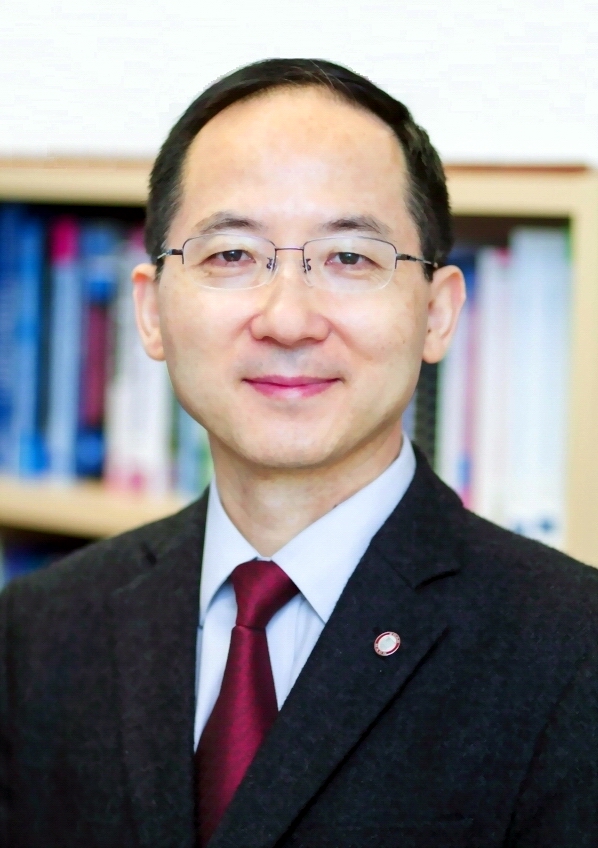
Prof. Jianping Yao
RSC Fellow, Academy of Sciences
Affiliation: University of Ottawa
Keywords: Photonics, Microwave
Induction Year: 2018
YAO, Jianping - School of Electrical Engineering and Computer science, University of Ottawa
A Distinguished University Professor and University Research Chair at the University of Ottawa, Prof. Jianping Yao is a world leader in Microwave Photonics. With over 600 refereed publications, he has pioneered various developments in microwave photonics. Through his distinguished career, he has also trained over 80 research students, established close collaboration with industry and played an active role in various professional societies. Prof. Yao is a Fellow of IEEE, the Optical Society of America, and the Canadian Academy of Engineering.
YAO, Jianping - École de génie électrique et informatique, Université d'Ottawa
Professeur eminent de l'Université et titulaire d'une chaire de recherche universitaire à l'Université d'Ottawa, le professeur Jianping Yao est un leader mondial en photonique hyperfréquence. Avec plus de 600 publications évaluées, il a été le pionnier de divers développements dans la photonique hyperfréquence. Au cours de sa brillante carrière, il a également formé plus de 80 étudiants en recherche, établi une collaboration étroite avec l’industrie et joué un rôle actif dans diverses sociétés professionnelles. Professeur Yao est Fellow de l'IEEE, de l'Optical Society of America et de l'Académie canadienne du génie.
Mr. Robin Yates
RSC Fellow, Academy of the Arts and Humanities
Affiliation: McGill University
Keywords: Chinese history, Law gender, Archaeology
Induction Year: 2011
Yates, Robin - History - McGill University
An internationally recognized leader in the study of China, Robin Yates has produced ground-breaking scholarship on many aspects of its cultural history, including military science and technology, texts newly discovered by archaeologists, law, and women’s studies, making a major contribution to re-contextualizing Chinese thought, social institutions, and cultural practices.
------------------
Yates, Robin - East Asian Studies and History & Classical Studies- McGill University Robin Yates is an internationally renowned scholar of Chinese studies. His originality, intelligence and wide-ranging scholarship are recognized by his colleagues as being nothing less than extraordinary. Best known for his outstanding work in military technology and science, Professor Yates has also produced groundbreaking studies on the history of law and women in China. He has translated and analyzed philosophical and poetry texts of early China, making a major contribution to re-contextualizing ancient Chinese thought. At McGill University, he established the MA and PhD program in East Asian Studies, creating what has become a vital centre for teaching and research.
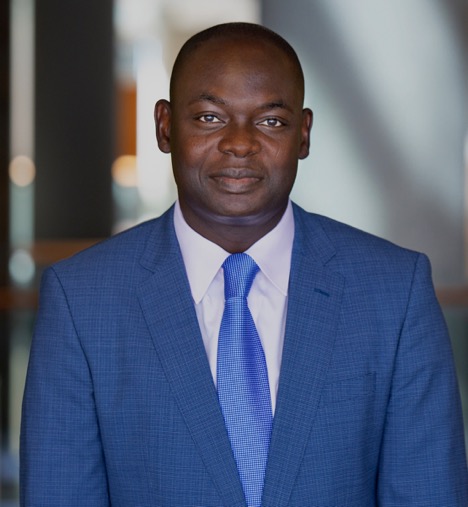
Prof. Sanni Yaya
RSC Fellow, Academy of Social Sciences
Affiliation: University of Ottawa
Keywords: Développement international; Santé; Gouvernance; Administration publique; Afrique, COVID-19, Covid-19, corona virus
Induction Year: 2019
Sanni Yaya is a leading scholar in the fields of economics and global health. He is a prolific academic driven by a humanistic vision and a passion for multidisciplinary research. Dr. Yaya’s outstanding contributions, which are theoretical, empirical and critical, have been recognized nationally and internationally and have helped to put health back on the agenda of the social sciences and to the center of debates on international development.
YAYA, Sanni – École de développement international et mondialisation, Université d’Ottawa
Sanni Yaya est un chercheur de renom et un pionnier dans la recherche en économie et en santé mondiale. Il s’est illustré comme un chercheur prolifique à la vision humaniste qui s’est démarqué par son grand engagement et sa passion pour la recherche multidisciplinaire. Les contributions exceptionnelles du Dr. Yaya qui sont de nature théorique, empirique et critique, ont été reconnues à l’échelle nationale et internationale et ont aidé à replacer la santé dans le champ des sciences sociales et à la ramener au centre des débats sur le développement international.
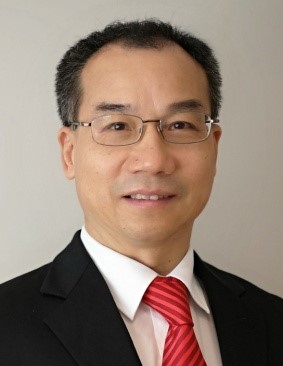
Prof. Zuo-Guang Ye
RSC Fellow, Academy of Sciences
Affiliation: Simon Fraser University
Keywords: solid state materials chemistry
Induction Year: 2019
YE, Zuo-Guang – Department of Chemistry & 4D LABS, Simon Fraser University
Zuo-Guang Ye is a world-leading authority in solid state materials science, particularly relaxor-based piezoelectric and ferroelectric materials. His instrumental work on the growth, characterization and standardization of these materials has contributed to their successful commercialization in the areas of health care, environment and information technology, and has led to fundamental insights into their complex structure-property relations. Ye is a Fellow of IEEE and plays an active role in research leadership.
Zuo-Guang Ye est une autorité mondialement reconnue pour son expertise en science des matériaux solides, en particulier les matériaux piézoélectriques et ferroélectriques à base de relaxeurs. Ses travaux instrumentaux sur la croissance, la caractérisation et la standardisation de ces matériaux ont contribué au succès de leur commercialisation dans les secteurs des soins de santé, de l’environnement et de l’informatique, tout en permettant une meilleure compréhension des relations complexes entre leurs structures et leurs propriétés. Ye est un membre de l’IEEE et joue un rôle majeur dans la recherche.
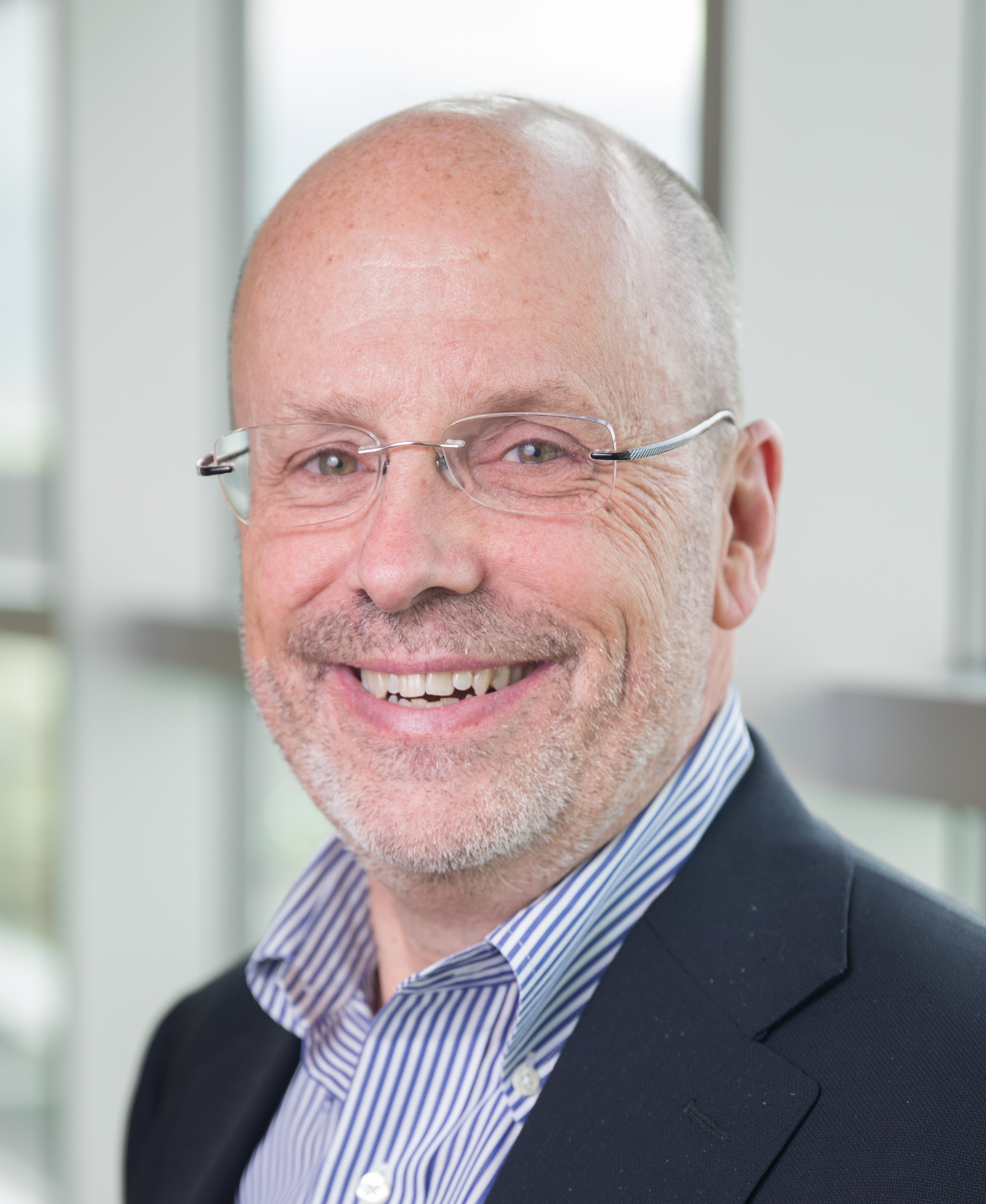
Prof. Keith Yeates
RSC Fellow, Academy of Social Sciences
Affiliation: University of Calgary
Keywords: pediatric neuropsychology; concussion; traumatic brain injury
Induction Year: 2021
Keith Yeates is a world-leading neuropsychologist whose prolific and ground-breaking research focuses on pediatric traumatic brain injury (TBI), a major cause of acquired disability. His investigations of the family’s role in children’s recovery from TBI, the social outcomes of childhood brain disorders, and the impact of childhood concussion have transformed the science of pediatric TBI and markedly improved clinical care and outcomes for children with TBI and their families.
Keith Yeates est un neuropsychologue de renommée mondiale dont les recherches prolifiques et novatrices portent sur les traumatismes crâniens pédiatriques, une cause majeure de handicap acquis. Ses recherches sur le rôle de la famille dans le rétablissement des enfants ayant subi un traumatisme crânien, sur les conséquences sociales des troubles cérébraux chez l'enfant et sur l'impact des commotions cérébrales chez l'enfant ont révolutionné la science des traumatismes crâniens pédiatriques et considérablement amélioré les soins cliniques et les résultats chez les enfants atteints de traumatismes crâniens et leurs familles.